TheJakartaPost
Please Update your browser
Your browser is out of date, and may not be compatible with our website. A list of the most popular web browsers can be found below.
Just click on the icons to get to the download page.


Popular Reads
No popular reads data found
Top Results
No results found. Please check your search term and try again
Can't find what you're looking for?
View all search results
Popular Reads
No popular reads data found
Top Results
No results found. Please check your search term and try again
Can't find what you're looking for?
View all search resultsTrade
Americas 2 weeks ago
PREMIUM
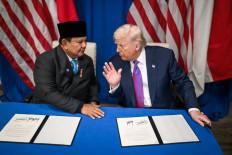
US reaffirms strategic partnership with Indonesia, ASEAN
The United States has reaffirmed its commitment to deepening ties with Indonesia and Southeast Asia, with senior diplomats highlighting expanded cooperation in trade, investment and security as the US marked 250 years of independence.
Asia & Pacific 4 weeks ago
PREMIUM
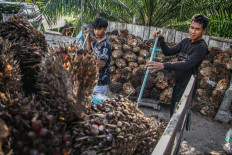
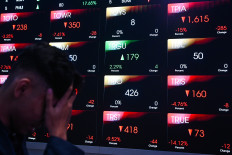
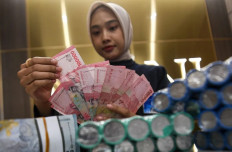
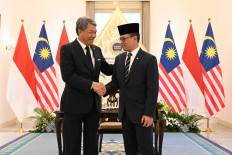
Indonesia, Malaysia seek to boost inter-ASEAN trade amid uncertainties
The neighboring countries emphasized the importance of cooperation between Southeast Asian economies to mitigate the impact of global conflicts and tensions, said the top Indonesian and Malaysian diplomats after their bilateral talk.
Economy 4 weeks ago
PREMIUM
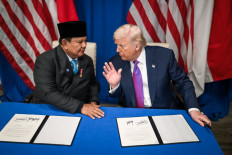
Indonesia prepares defense to US forced labor tariff threat
Jakarta has strengthened its safeguards against forced-labor imports through Trade Minister Regulation No. 9/2026, issued earlier this year, which seeks to ensure imported goods are not produced using forced labor.
Economy 1 month ago
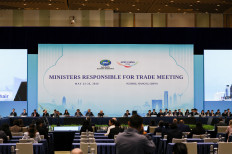
APEC trade envoys gather in China to discuss trade imbalances, supply chain resilience
Asia-Pacific trade envoys gathered in China are expected to discuss multilateral cooperation, trade imbalances and supply chain resilience in the face of global shocks, including the US-Israeli war on Iran.
Economy 1 month ago
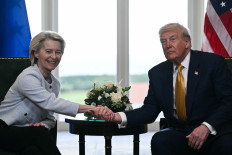
Under Trump pressure, EU agrees to implement US trade pact
EU lawmakers and member states reached a deal in the early hours of Wednesday to implement the bloc's nearly year-old trade pact with the United States, with President Donald Trump threatening new tariffs unless it is done by July 4.