The Jakarta Post
Please Update your browser
Your browser is out of date, and may not be compatible with our website. A list of the most popular web browsers can be found below.
Just click on the icons to get to the download page.


Popular Reads
Top Results
No results found. Please check your search term and try again
Can't find what you're looking for?
View all search results
Popular Reads
Top Results
No results found. Please check your search term and try again
Can't find what you're looking for?
View all search resultsamendment
Politics 1 year ago
PREMIUM
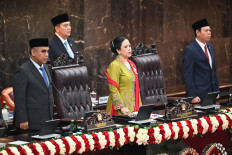
MPR completes first draft of New Order-style state guidelines
During its annual plenary meeting on Friday, the People’s Consultative Assembly announced the first draft of the PPHN, a controversial move that critics view as the Assembly's move to restore the sweeping powers it held during the New Order.
Politics 1 year ago
PREMIUM
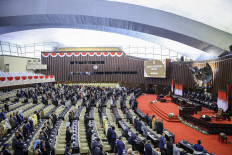
Renewed plan to reinstate New Order-style state guidelines draws flak
The return of state policy guidelines, a practice during the authoritarian New Order era, could trigger a constitutional amendment that could snowball into wider changes, including reinstating the status of People’s Consultative Assembly (MPR) as the nation’s highest authority and its long-removed power to appoint the president.
Academia 1 year ago
PREMIUM
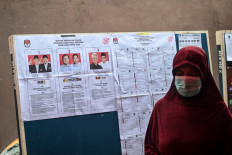
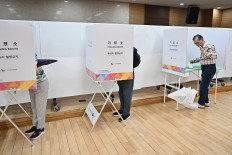
A living constitution, a source of democratic resilience
The recent Constitutional Court decision, it is important to note, does not dismantle the fundamental electoral process, alter the established system of government or directly undermine the sovereignty of the people.

Politics 1 year ago
PREMIUM
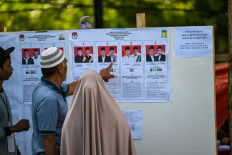
House sets December deadline for criminal procedure law revision
Lawmakers plan to pass a Criminal Law Procedure Code (KUHAP) revision by the end of the year despite calls from lawyers, academics and civil groups to extend the time frame for broader consultation and to ensure changes in the procedural law reflect public interest.
Politics 1 year ago
PREMIUM
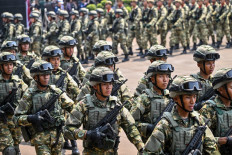
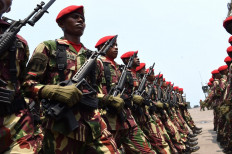
Lawmakers hold secret, rushed deliberations of TNI bill
Lawmakers and the government are holding accelerated, closed-door talks on a planned revision to the Indonesian Military (TNI) Law, from which protesters were forcibly removed on Saturday, demonstrating the military’s growing influence in the country.
Politics 1 year ago
PREMIUM
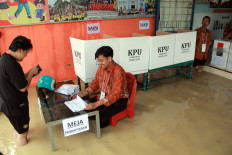
Proposal to scrap single-day elections emerges
A proposal to tweak the current format of the simultaneous presidential and legislative elections has taken center stage in a series of meetings at the House of Representatives over the past two weeks, with elections and democracy experts advocating for separate elections.
Editor's Picks
Popular
- PISA gains belie Indonesia’s persistent education crisis
- The benefit of the doubt has expired
- Not the Ministry of Magic
- Suahasil seen to prioritize fiscal discipline, continuity
- Osama the gamer: A list of Bin Laden’s video games from his hard drive
- Saudi civil defense sends all-clear after alerts issued for capital Riyadh
- Saudi-led coalition says Houthis fired ballistic missile at Riyadh
- Indonesian Navy welcomes former Italian warship as its first aircraft carrier
- Prabowo skips UNGA as RI seeks to bridge divides
- Another 150 Indonesians deported from Malaysia to Batam


