The Jakarta Post
Please Update your browser
Your browser is out of date, and may not be compatible with our website. A list of the most popular web browsers can be found below.
Just click on the icons to get to the download page.


Popular Reads
Top Results
No results found. Please check your search term and try again
Can't find what you're looking for?
View all search results
Popular Reads
Top Results
No results found. Please check your search term and try again
Can't find what you're looking for?
View all search resultsbonds

Markets 2 days ago
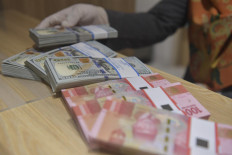
Currency markets subdued as oil shock lifts global yields
Currency markets treaded water in cautious trading on Thursday as investors weighed a fresh surge in oil prices and global bond yields, while the yen's powerful rally also took a breather ahead of United States PPI and inflation readings.



Regulations 2 months ago
PREMIUM
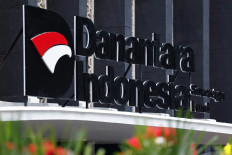
Excessive protections for Danantara bondholders raise reputational risks
Strapped for more revenue to finance development but constrained from further tapping the state budget, the government is effectively offering legal immunity in a bid to attract investor appetite for its new debt instruments.

Academia 2 months ago
PREMIUM
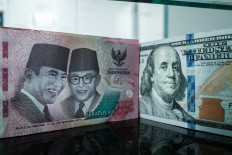
Is Indonesia safe if the rupiah reaches Rp 20,000?
Replacing officials to save a falling rupiah is empty political theater; Indonesia’s true economic safety depends on fixing deep-seated structural issues like oil deficits, agricultural productivity and policy execution.
Editor's Picks
Popular
- Mass poisonings cast doubt on free meals reforms
- Much ado about asset forfeiture
- New data rules could unlock cross-border data flows
- Children are no longer the priority, were they ever?
- Indonesia, Hong Kong to host new 14-team FIFA ASEAN Cup
- Free meals face seven-day ultimatum, possible lawsuit
- Prabowo’s approval slide fuels warm-up to 2029 elections
- Volcanic eruptions take toll on economy
- Osama the gamer: A list of Bin Laden’s video games from his hard drive
- The war on terror and its unintended consequences


