TheJakartaPost
Please Update your browser
Your browser is out of date, and may not be compatible with our website. A list of the most popular web browsers can be found below.
Just click on the icons to get to the download page.


Popular Reads
No popular reads data found
Top Results
No results found. Please check your search term and try again
Can't find what you're looking for?
View all search results
Popular Reads
No popular reads data found
Top Results
No results found. Please check your search term and try again
Can't find what you're looking for?
View all search resultscoal
Academia 1 week ago
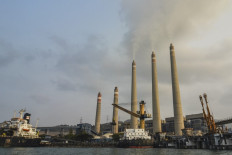
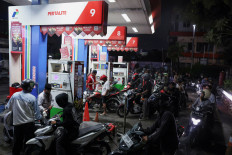
Why Asia is hardest hit by the Gulf energy crisis
Those most exposed to energy market disruption share a set of structural characteristics: heavy reliance on imported fossil fuels, limited fiscal space and constrained energy systems that make it difficult to switch to alternatives quickly.
Academia 1 week ago
PREMIUM
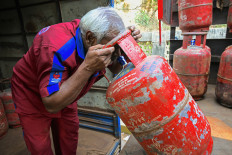
Oil, gas and coal are officially a systemic financial risk
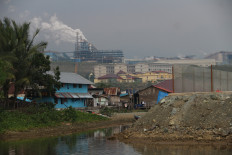
As geopolitical shocks turn the global energy market into an "everything crisis", the shift from volatile commodities to stable renewable infrastructure is no longer just a climate goal; it is a financial necessity.
Academia 1 week ago
PREMIUM
Geopolitical tensions and the urgency of energy sovereignty
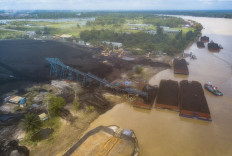
The rush toward EV and biofuel adoption risks shifting Indonesia’s ecological burden from coal chimneys to indigenous forests. True energy sovereignty lays not in massive corporate permits but in the resilient, community-led models already thriving in the heart of the archipelago.
Opinion 2 weeks ago
PREMIUM
Analysis: Coal and nickel dilemma: Racing for revenue, lagging in readiness
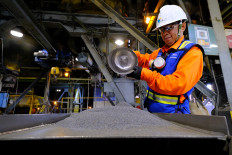
A potentially widening budget deficit amid soaring global oil prices has prompted Finance Minister Purbaya Yudhi Sadewa to explore alternative revenue sources, including export duties on nickel and coal, commodities that are currently benefiting from relatively strong price trends. The push for rapid revenue mobilization, however, appears to be running ahead of sectoral readiness.

Politics 3 weeks ago
PREMIUM
AGO arrests coal tycoon Samin Tan in mining permit graft case
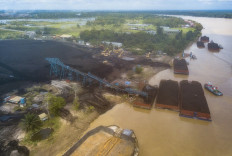
The Attorney General’s Office (AGO) named on Saturday billionaire coal magnate Samin Tan a corruption suspect in a probe into alleged mining permit violations after the forestry task force seized the company's land earlier this year.
Regulations 3 weeks ago
Indonesia may relax production quotas of nickel, coal if prices stay high
Previously, Indonesia announced plans to cut output quotas for several minerals this year to help support prices, including reducing the coal production quota from 790 million tons last year to 600 million metric tons.