The Jakarta Post
Please Update your browser
Your browser is out of date, and may not be compatible with our website. A list of the most popular web browsers can be found below.
Just click on the icons to get to the download page.


Popular Reads
Top Results
No results found. Please check your search term and try again
Can't find what you're looking for?
View all search results
Popular Reads
Top Results
No results found. Please check your search term and try again
Can't find what you're looking for?
View all search resultscoal
Regulations 3 months ago
PREMIUM
Govt begins transition to centralized exports for coal, palm oil
Coordinating Economy Minister Airlangga Hartarto announced in a press conference on Sunday that a seven-month transition phase will run from June 1 to Dec. 31, while exporting companies will continue to execute their regular shipping activities.
Editorial 3 months ago
PREMIUM
Gain some, lose more
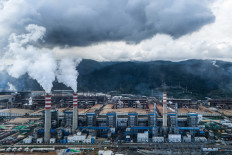
The idea of centralizing export control for certain natural resources in a single institution is not new, and the failed experiment of such an agency for cloves serves as a case study on why not to pursue that course again, especially for major commodities like coal, CPO and ferroalloys.
Regulations 3 months ago
PREMIUM
Firms fear contract, trade risks in commodity export plan
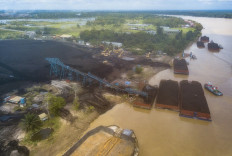
The new policy signals a shift toward tighter state control over trade, and experts warn that, if not implemented carefully, it could undermine the goal stated by the government, which is to boost state revenue collection by preventing invoicing fraud.
Regulations 3 months ago
PREMIUM
Govt mandates coal, CPO exports through state agency
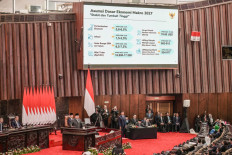
Speaking before the House of Representatives’ plenary on Wednesday, Prabowo said the policy was aimed at curbing under invoicing and transfer pricing, in which exporters underreport shipment volumes to reduce tax obligations.
Academia 5 months ago
Why Asia is hardest hit by the Gulf energy crisis
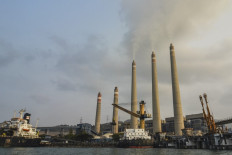
Those most exposed to energy market disruption share a set of structural characteristics: heavy reliance on imported fossil fuels, limited fiscal space and constrained energy systems that make it difficult to switch to alternatives quickly.
Editor's Picks
Popular
- Much ado about asset forfeiture
- Suahasil seen to prioritize fiscal discipline, continuity
- Not the Ministry of Magic
- Mass poisonings cast doubt on free meals reforms
- Children are no longer the priority, were they ever?
- Purbaya ousted after clash with Prabowo's ex-army colleague, sources say
- The benefit of the doubt has expired
- Whoosh takeover in limbo after Purbaya ousted as finance minister
- Malaysia talks to rival airlines as it monitors AirAsia's financial health
- Indonesia seeks fifth UNSC term, pledges Global South voice


