The Jakarta Post
Please Update your browser
Your browser is out of date, and may not be compatible with our website. A list of the most popular web browsers can be found below.
Just click on the icons to get to the download page.


Popular Reads
Top Results
No results found. Please check your search term and try again
Can't find what you're looking for?
View all search results
Popular Reads
Top Results
No results found. Please check your search term and try again
Can't find what you're looking for?
View all search resultscoal

Regulations 2 months ago
PREMIUM
Coal price gap triggers power crisis in Indonesia
A coal power plant has been restored to the Java grid, but state-owned electricity firm PLN's deeper issues persist: a $70 price cap that bars it from competing for supply, regulatory ambiguity over where domestic coal flows and a compensation fund that remains in limbo.

Economy 3 months ago
PREMIUM
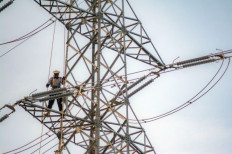
Rolling blackouts in Java reignite concerns over electric grid
Rolling power outages across parts of Java and Bali over the weekend have disrupted household and business activities, reigniting concerns over the reliability of Indonesia’s electricity system, with experts warning that the situation could persist for up to two more weeks.
Academia 3 months ago
PREMIUM
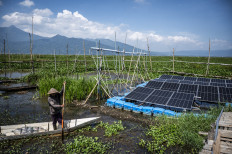
Toward energy sovereignty: Indonesia’s sustainability imperative
A conflict in the Middle East is no longer a distant geopolitical issue for Indonesia—it is an immediate threat that has forced energy security and economic sovereignty to the absolute forefront. To survive global price shocks and supply risks, the nation must transform its energy transition from a climate agenda into a strategic shield by scaling domestic renewables, biofuels and regional supply networks.
Regulations 3 months ago
PREMIUM
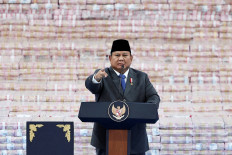
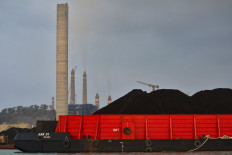
Govt may increase coal price cap to address PLN supply shortage
Energy and Mineral Resources Minister Bahlil Lahadalia previously revealed a significant 20-million-tonne coal supply gap for PLN that remains uncontracted this year, raising fresh concerns about national energy security.
Academia 3 months ago
PREMIUM
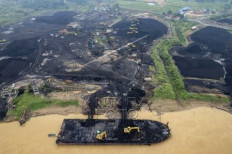
What might government overlook in the DHE regulation?
By shifting the focus from rigid gross export receipts to true, economically retainable value, this analysis challenges the structural assumptions underlying Indonesia's aggressive 100 percent natural resource repatriation policy.
Editor's Picks
Popular
- Not the Ministry of Magic
- PISA gains belie Indonesia’s persistent education crisis
- Safeguarding Indonesia's AI future
- Suahasil seen to prioritize fiscal discipline, continuity
- Hundreds of flights cancelled as Typhoon Dujuan nears Japan
- Twenty years on, BRICS faces a defining choice
- Recentralization concerns in fiscal, education heighten
- Indonesia doing 'everything' but struggling to curb fires
- Jakarta water shortages worsen as dry season drags on
- Indonesia prepares for new era of naval power


