The Jakarta Post
Please Update your browser
Your browser is out of date, and may not be compatible with our website. A list of the most popular web browsers can be found below.
Just click on the icons to get to the download page.


Popular Reads
Top Results
No results found. Please check your search term and try again
Can't find what you're looking for?
View all search results
Popular Reads
Top Results
No results found. Please check your search term and try again
Can't find what you're looking for?
View all search resultsfinance-ministry

Regulations 11 hours ago
PREMIUM
Govt earmarks Rp 11 trillion to open 200 million new personal bank accounts
Making good on an initiative the President first unveiled last March, the government has earmarked Rp 11 trillion to open 200 million individual bank accounts with an initial deposit of Rp 50,000 each to improve financial inclusion across the country.






Regulations 1 month ago
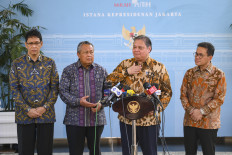
Policy tensions grew before Perry’s sudden resignation, sources say
Bank Indonesia has been under pressure to support Prabowo's big-growth agenda, even as the rupiah slid to an historic low in June amid concern over Indonesia's fiscal management and central bank independence.
Editor's Picks
Popular
- Mass poisonings cast doubt on free meals reforms
- New data rules could unlock cross-border data flows
- Malaysia must not breathe Indonesia’s governance failure
- Volcanic eruptions take toll on economy
- Search intensifies for journalists, crew as Anak Krakatau ashfall eases
- Mitigation budget under scrutiny as Indonesia grapples with disasters
- Indonesian wildfire emissions surge to world's highest
- Anak Krakatau doesn't need an earthquake to kill
- Student suffers memory loss, seizures after free meal food poisoning
- Search resumes for missing journalists on Anak Krakatau mission


