The Jakarta Post
Please Update your browser
Your browser is out of date, and may not be compatible with our website. A list of the most popular web browsers can be found below.
Just click on the icons to get to the download page.


Popular Reads
Top Results
No results found. Please check your search term and try again
Can't find what you're looking for?
View all search results
Popular Reads
Top Results
No results found. Please check your search term and try again
Can't find what you're looking for?
View all search resultsgovernment-bond


Asia & Pacific 9 months ago
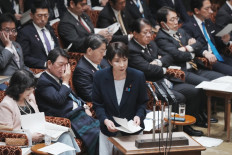
Japan set to issue 11t yen extra bonds despite record tax revenue
The Japanese government will issue around 11 trillion yen (US$70 billion) in additional bonds to help fund an economic package, even as its tax revenue for this fiscal year is expected to rise to a record high.
Academia 1 year ago
PREMIUM
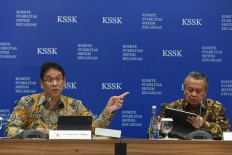
Burden sharing: From emergency lifeline to fiscal dependence?
While the burden sharing scheme was an apt instrument during the COVID-19 pandemic, it now risks becoming a fiscal dominance policy, blurring the line between fiscal and monetary policy, accelerating depreciation, eroding market trust and undermining the central bank's independence.
Regulations 1 year ago
PREMIUM
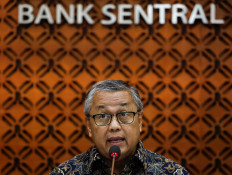
BI continues burden-sharing scheme, buys $12b worth of govt bonds
The central bank has announced a continuation of its burden-sharing scheme with the government and has purchased trillions of rupiah worth of government bonds this year, but an economist questions the legal basis for continuing a policy initially intended as a crisis response.
Editor's Picks
Popular
- Much ado about asset forfeiture
- Mass poisonings cast doubt on free meals reforms
- New data rules could unlock cross-border data flows
- The benefit of the doubt has expired
- Children are no longer the priority, were they ever?
- Rescuers searching for 140 people from passenger ship in Java Sea
- Prabowo replaces Finance Minister Purbaya with his deputy
- SOE dividend grab tests Danantara’s mandate
- Three more volcanoes erupt following Sinabung, Anak Krakatau
- BRICS nations call for 'maximum restraint' in Middle East war


