TheJakartaPost
Please Update your browser
Your browser is out of date, and may not be compatible with our website. A list of the most popular web browsers can be found below.
Just click on the icons to get to the download page.


Popular Reads
No popular reads data found
Top Results
No results found. Please check your search term and try again
Can't find what you're looking for?
View all search results
Popular Reads
No popular reads data found
Top Results
No results found. Please check your search term and try again
Can't find what you're looking for?
View all search resultsmedical-tourism

Academia 1 year ago
PREMIUM
Medical tourism in Indonesia: Can it become a reality?
While it has at least two SEZs for medical tourism, the country still has a long way to go to develop international-standard healthcare infrastructure and the related capacities necessary to maintain it, including human resources, to become a preferred destination among medical tourists.

Archipelago 1 year ago
PREMIUM
Govt eyes Bali, Labuan Bajo to develop medical tourism industry
Each year, an estimated 1 million to 2 million Indonesians travel abroad for medical treatment, leading to losses of approximately Rp 163 trillion (US$10 billion) annually in capital outflows. The massive losses underscore the urgent need to develop high-quality medical tourism within Indonesia.

Executive Column 1 year ago
PREMIUM
GE HealthCare eyes Indonesia as regional hub for medical device exports
GE HealthCare, in partnership with PT Kalbe Farma subsidiary Forsta, inaugurated Indonesia’s first CT scanner factory on June 2. GE HealthCare international president and CEO Elie Chaillot spoke to The Jakarta Post’s Ruth Dea Juwita two days later about the global medical technology company’s further plans in Indonesia’s burgeoning medical equipment industry.

Companies 3 years ago
PREMIUM
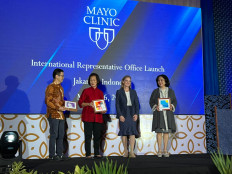
Executive Column: Australia-backed Sanusa Medika to boost health care in Indonesia
Aspen-backed Sanusa Medika hopes the hospital can provide international-level health care so instead of flying to Singapore, Thailand, Malaysia or Australia, Indonesians can get treatment locally, like in Depok.
Economy 4 years ago
PREMIUM
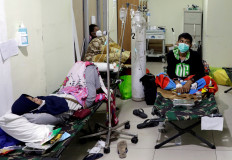
Indonesia loses out as citizens spend billions on healthcare abroad
Indonesian patients continue to have a high appetite for treatment abroad as the government struggles to provide quality medical services, costing the country billions of dollars that could be spent domestically to boost the local healthcare industry.
Opinion 5 years ago
Indonesia's medical tourism potential may be silver lining of pandemic
The COVID-19 pandemic has shined a light on Indonesia's potential for developing its medical tourism industry, particularly in terms of its improving medical services and facilities, but also in its need to develop a large and qualified health workforce.