The Jakarta Post
Please Update your browser
Your browser is out of date, and may not be compatible with our website. A list of the most popular web browsers can be found below.
Just click on the icons to get to the download page.


Popular Reads
Top Results
No results found. Please check your search term and try again
Can't find what you're looking for?
View all search results
Popular Reads
Top Results
No results found. Please check your search term and try again
Can't find what you're looking for?
View all search resultspoverty-rate

Opinion 6 years ago
PREMIUM
How far can poverty alleviation go?
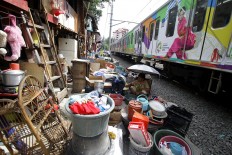
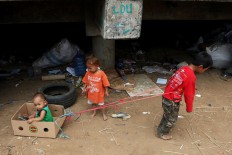
In Indonesia, poverty reduction is on the right track. The considerable economic growth in the last two decades has helped the country reduce its poverty rate from 24.2 percent in 1998 to a single-digit poverty rate of 9.41 percent in March 2019, according to Statistics Indonesia (BPS). Nevertheless, several challenges remain.


Opinion 6 years ago
PREMIUM
Papua turmoil and its people's discontent
The violent unrest and demonstrations that occurred this month in several cities in Papua that have killed dozens and injured hundreds has brought to our attention the Papuans’ feelings of anger and frustration as well as the question of how economic growth in our easternmost province has benefitted Papuans.
Opinion 7 years ago
Toward zero poverty and sustainable development with innovation
Poverty reduction tops the 2030 Agenda for Sustainable Development and remains a priority for most countries. Innovation that brings changes to how we live and work can be a new engine for sustainable development and poverty reduction, a tool we must command.
Editor's Picks
Popular
- Much ado about asset forfeiture
- Mass poisonings cast doubt on free meals reforms
- The benefit of the doubt has expired
- New data rules could unlock cross-border data flows
- Prabowo replaces Finance Minister Purbaya with his deputy
- Children are no longer the priority, were they ever?
- Six killed, 129 missing after ferry capsizes off Java
- Prabowo sacks Purbaya, turns to familiar hand at Finance Ministry
- SOE dividend grab tests Danantara’s mandate
- Prabowo calls for Global South, BRICS unity amid fragmented world order


