The Jakarta Post
Please Update your browser
Your browser is out of date, and may not be compatible with our website. A list of the most popular web browsers can be found below.
Just click on the icons to get to the download page.


Popular Reads
Top Results
No results found. Please check your search term and try again
Can't find what you're looking for?
View all search results
Popular Reads
Top Results
No results found. Please check your search term and try again
Can't find what you're looking for?
View all search resultspoverty-rate

Business 6 years ago
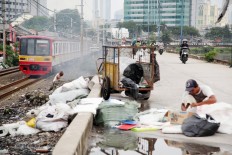
Govt expects unemployment to worsen, continue into next year
Up to 12.7 million people are expected to be unemployed by next year, up from 7.05 million people in 2019. The government’s baseline scenario predicts that next year’s unemployment rate will be between 7.7 and 9.1 percent.
World 6 years ago
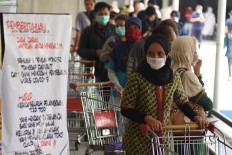
Coronavirus crisis could see number of extreme poor rise to 1.1 bln worldwide: Researchers
The economic fallout from the coronavirus pandemic could plunge an extra 395 million people into extreme poverty and swell the total number of those living on less than $1.90 a day worldwide to more than 1 billion, researchers said in a report on Friday.

Politics 6 years ago
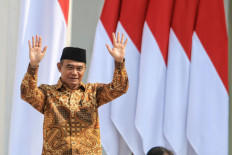
State should stop interfering with citizens' personal matters: Lawmaker
In a speech at the National Health Work Meeting in Jakarta on Wednesday, Muhadjir suggested that rich people should marry those who came from low-income families, arguing that such marriages would help reduce the national poverty rate.
City 6 years ago
PREMIUM
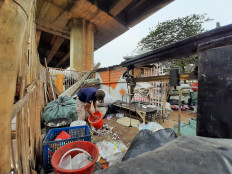
Jakarta poverty rate drops to third-lowest level since ‘reformasi’
The poverty rate -- the ratio between the number of poor people and the total population -- in Jakarta was recorded at 3.42 percent in September last year, the third lowest since widespread reforms were introduced in 1998.
Opinion 6 years ago
PREMIUM
Questioning whether GDP still adequate to measure welfare
Economic activity acts through the choices that people make about how to allocate their resources. Our decisions regarding saving, spending, technology usage and labor market participation vary between one and another, and also among countries.
Opinion 6 years ago
PREMIUM
Caveats in multidimensional poverty index
In the wake of the recognition that poverty is a multidimensional problem, Indonesia still favors the outdated measures of poverty based on income and consumption. The poverty data of Statistics Indonesia (BPS) might provide us with information on the main determinants of consumption-based poverty in the provinces. Yet, when it comes to the non-monetary dimensions of poverty, we remain clueless.

Editor's Picks
Popular
- Whisky, big-screen TV seized from prison 'villas' in West Java
- Jakarta international airport extends closure after Anak Krakatau eruption
- Militarization by request: The quiet creep in Jakarta
- BREAKING: Prabowo reshuffles cabinet, replaces police chief
- The vanishing of Indonesia from the heart of Papua
- Sugarcane farmers query House over sugar imports
- BREAKING: Arrmanatha takes over as foreign minister in latest reshuffle
- Water concerns triggers suspension of West Java data center project
- Indonesia pushes cooperation to outpace global scam networks
- Jakarta presses ahead with municipal bonds despite pushback


