TheJakartaPost
Please Update your browser
Your browser is out of date, and may not be compatible with our website. A list of the most popular web browsers can be found below.
Just click on the icons to get to the download page.


Popular Reads
No popular reads data found
Top Results
No results found. Please check your search term and try again
Can't find what you're looking for?
View all search results
Popular Reads
No popular reads data found
Top Results
No results found. Please check your search term and try again
Can't find what you're looking for?
View all search resultssidewalk
The Neighborhood 9 months ago
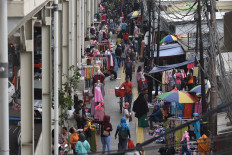
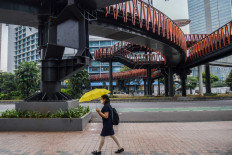
Turning Jakarta’s overlooked sidewalks into common ground
In a city built for cars, sidewalks often feel like an afterthought. But revitalized stretches in Jakarta are proving that these in-between spaces have the power to shape not just how we move, but how we connect and belong.
Jakarta 9 months ago
PREMIUM
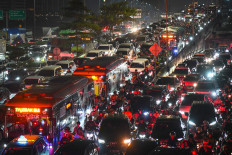
Cars over people? Sidewalk cuts in South Jakarta draw backlash
The Jakarta administration’s plan to trim sidewalks along the heavily congested TB Simatupang road in South Jakarta has sparked widespread criticism, with critics warning it undermines pedestrian rights and contradicts the city’s vision of becoming a “global city”.

Academia 3 years ago
PREMIUM
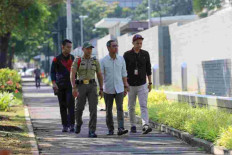
Elements that determine innovative nations: The case of Japan
The fact is, most of the innovative countries in the world are clean countries. Their people do not throw rubbish in the river, do not pile up rubbish on streets, and do not take for granted precarious garbage collectors.
City 6 years ago
PREMIUM
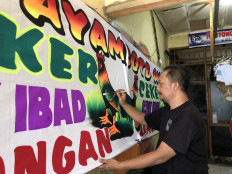
Iconic banners of ‘pecel lele’ vendors symbol of Lamongan people’s struggle
“The banners that you see in Jakarta underwent a long journey before being known by the public as they are today,” Hartono, a 50-year-old banner maker in Pekayon, Bekasi, West Java, told The Jakarta Post on Wednesday. “The banners are not just regular fabric. They represent the struggle and hopes of the Lamongan people to be successful in a big city like Jakarta,” he added.
City 6 years ago
PREMIUM
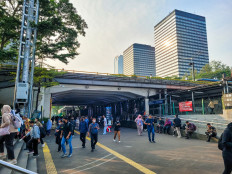
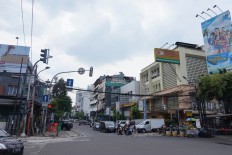
Transit-oriented development to help modernize Jakarta
Despite the slow progress, railway-based public transportation operators, city-owned PT MRT Jakarta and state-owned PT Kereta Api Indonesia (KAI), have been gearing up to develop their TODs in several locations across Greater Jakarta.