The Jakarta Post
Please Update your browser
Your browser is out of date, and may not be compatible with our website. A list of the most popular web browsers can be found below.
Just click on the icons to get to the download page.


Popular Reads
Top Results
No results found. Please check your search term and try again
Can't find what you're looking for?
View all search results
Popular Reads
Top Results
No results found. Please check your search term and try again
Can't find what you're looking for?
View all search resultswaste-to-energy

Academia 4 months ago
PREMIUM
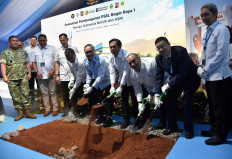
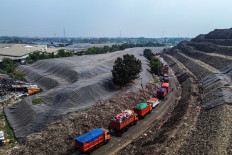
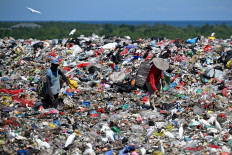
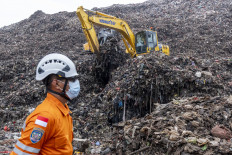
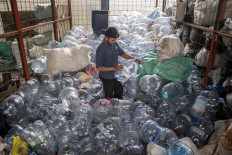
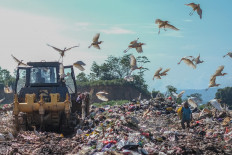
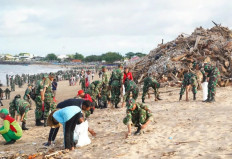
The missing pillar: Faith-based efforts to help solve Jakarta’s waste crisis
Jakarta’s billion-dollar WtE dreams will remain buried under a landslide of inefficiency unless the city bridges the gap between high-tech downstream plants and the untapped power of faith-based household sorting.

Editor's Picks
Popular
- Popular discontent is justified. Authoritarianism is not the answer
- Recentralization concerns in fiscal, education heighten
- Govt under pressure as 3 million home drive hits cracks
- Safeguarding Indonesia's AI future
- Indonesian wildfires threaten critically-endangered orangutan: IUCN
- Power exports to Singapore hinge on regulatory clarity
- Trump rejects Iran proposal for deal to reopen Hormuz
- Indonesia signs UN treaty to combat, prevent cybercrime
- Batam residents protest data centers amid water crisis
- Death toll from Java Sea ferry sinking jumps to 64


