The Jakarta Post
Please Update your browser
Your browser is out of date, and may not be compatible with our website. A list of the most popular web browsers can be found below.
Just click on the icons to get to the download page.


Popular Reads
Top Results
No results found. Please check your search term and try again
Can't find what you're looking for?
View all search results
Popular Reads
Top Results
No results found. Please check your search term and try again
Can't find what you're looking for?
View all search resultswaste-to-energy
Economy 8 months ago
PREMIUM
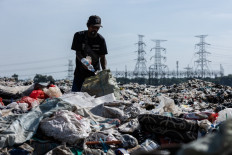
Danantara to break ground on waste-to-energy pilot projects in March
The agency revealed that Jakarta and Tangerang, despite facing the country’s most severe waste problems, were left out of the initial pilots as local administrations have yet to indicate their readiness.
Academia 8 months ago
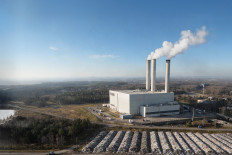
WTE: A long journey toward tackling the waste emergency
President Prabowo Subianto’s policy to address Indonesia’s waste emergency through the waste-to-energy (WTE) program continues to generate both support and opposition, particularly regarding the choice of technology, which some believe will generate air pollution. In fact, the latest technologies are already capable of addressing these pollution concerns. The alternative is business as usual, with waste disposed of in landfills without treatment along with all the problems that entail. Therefore, the WTE policy deserves support to achieve success.
Jakarta 8 months ago
PREMIUM
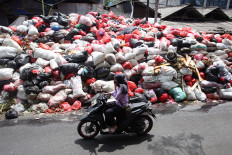
South Tangerang reroutes garbage to Bogor after Serang protests
South Tangerang’s waste emergency has worsened following protests in neighboring Serang against receiving the city’s garbage, forcing authorities to reroute waste to West Java’s Cileungsi landfill and extend emergency measures until Jan. 19.
Companies 10 months ago
PREMIUM
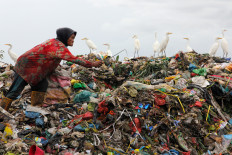
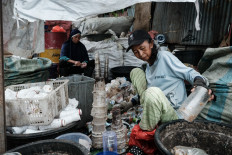
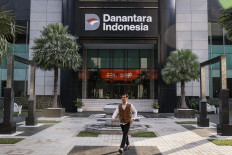
Danantara to launch waste-to-energy tenders this week
The projects, part of a broader plan to build 33 plants nationwide worth a combined Rp 91 trillion (US$5.6 billion), are included in state utility PLN’s long-term electricity procurement plan (RUPTL) as renewables.
Regulations 1 year ago
PREMIUM
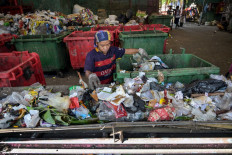
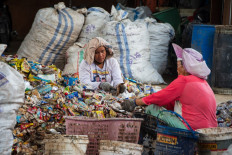
Govt bets on Patriot bonds, drops tipping fees to power waste-to-energy
The recently completed draft regulation on waste, which eliminates tipping fees, has been hailed as a means of reviving long-delayed WtE projects, but issues like land availability and unfairly burdening private developers remain.

Jakarta 1 year ago
PREMIUM
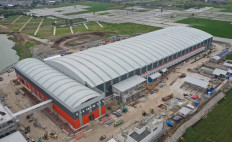
Jakarta launches trial to reopen waste-to-fuel plant
The Jakarta Environment Agency started testing the refused-derived fuel (RDF) plant in Rorotan, North Jakarta ahead of its reopening in September, after the site was closed following complaints from local residents about thick and smelly smoke.
Editor's Picks
Popular
- Popular discontent is justified. Authoritarianism is not the answer
- Recentralization concerns in fiscal, education heighten
- Govt under pressure as 3 million home drive hits cracks
- Safeguarding Indonesia's AI future
- Indonesian wildfires threaten critically-endangered orangutan: IUCN
- Power exports to Singapore hinge on regulatory clarity
- Trump rejects Iran proposal for deal to reopen Hormuz
- Indonesia signs UN treaty to combat, prevent cybercrime
- Batam residents protest data centers amid water crisis
- Death toll from Java Sea ferry sinking jumps to 64


