TheJakartaPost
Please Update your browser
Your browser is out of date, and may not be compatible with our website. A list of the most popular web browsers can be found below.
Just click on the icons to get to the download page.


Popular Reads
Top Results
No results found. Please check your search term and try again
Can't find what you're looking for?
View all search results
Popular Reads
Top Results
No results found. Please check your search term and try again
Can't find what you're looking for?
View all search resultsOil prices sink further as Trump signs deal to reopen Hormuz
The news boosted optimism for a lasting peace between the two nations after more than three months of war that has rattled energy markets and fuelled a fresh spike in inflation.
Change text size
Gift Premium Articles
to Anyone
Share the best of The Jakarta Post with friends, family, or colleagues. As a subscriber, you can gift 3 to 5 articles each month that anyone can read—no subscription needed!
 Set as preferred source
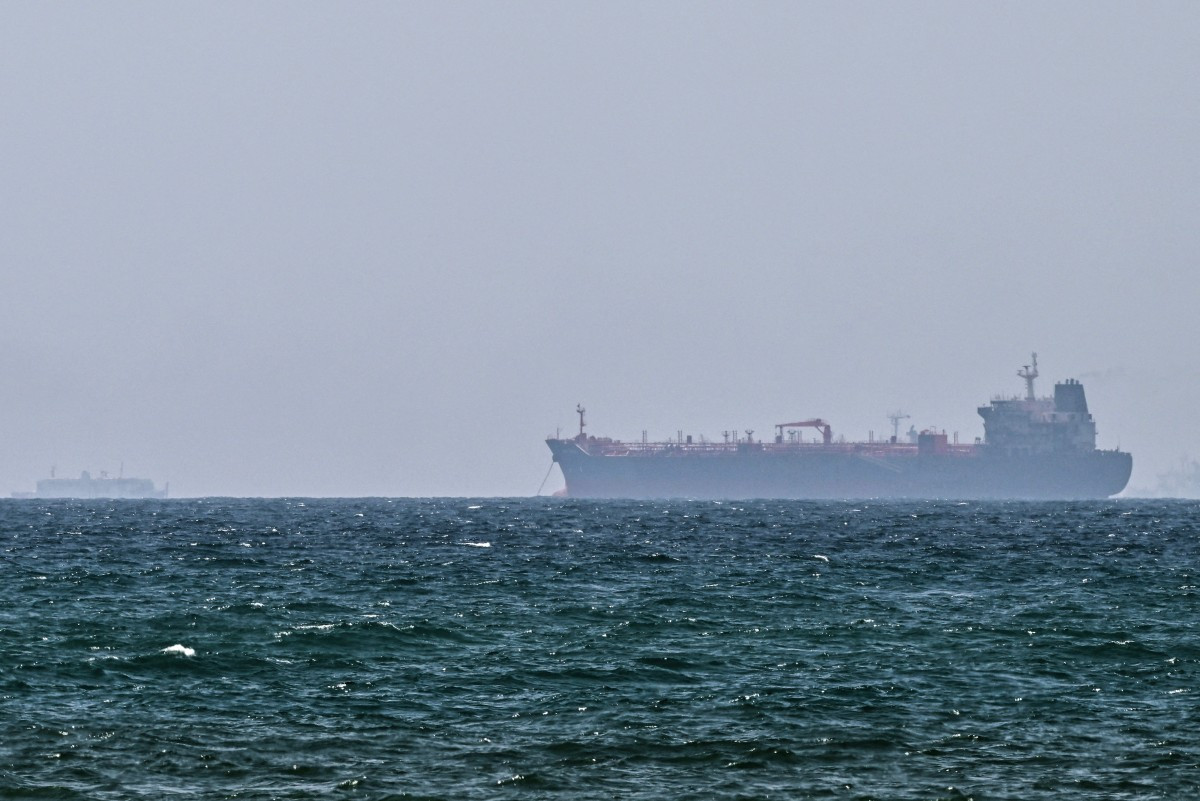 A vessel is anchored off the coast of Sharjah in the United Arab Emirates on May 21, 2026. Iran's new body overseeing the Strait of Hormuz said its claimed area of control extends to Emirati waters, drawing a sharp rebuke from the Gulf neighbour as the traffic through Hormuz, a vital global shipping conduit, has come under Iranian control since the outbreak of war with Israel and the United States on Feb. 28. (AFP/-)
O
il prices tumbled again Thursday after US President Donald Trump and his Iranian counterpart signed off on a deal to end their war and reopen the Strait of Hormuz.
The news boosted optimism for a lasting peace between the two nations after more than three months of war that has rattled energy markets and fuelled a fresh spike in inflation.
However, the upbeat mood on trading floors was tempered by expectations the Federal Reserve will hike interest rates before year's end, after its new boss held his first policy meeting and acknowledged "persistently high prices are a burden for the American people".
Trump put his signature to the memorandum of understanding in Versailles after the G7 summit, telling reporters: "Just signed it."
Iranian Foreign Ministry spokesman Esmaeil Baqaei, quoted by the state news agency IRNA, said the document "was finalised with the signatures of the presidents".
All eyes are now on the strait, through which a fifth of world oil normally passes and which Tehran effectively closed after the US and Israel launched their war on Iran on February 28.

"As a first step, Islamic Republic of Iran will instantly reopen the Strait of Hormuz and the United States of America will immediately lift the naval blockade," Pakistan Prime Minister Shehbaz Sharif, whose officials mediated the agreement, said on X.
The deal will see Washington commit to immediately waive oil sanctions and facilitate the release of a $300 billion reconstruction fund, while Tehran agrees to dilute its enriched uranium as talks on a longer-term agreement are held.
Crude fell more than one percent Thursday, extending the losses sustained since news broke at the weekend. Both main contracts have plummeted more than 15 percent since last week, when talk of an agreement began swirling.
"A signed MOU and a faster path toward reopening the Strait of Hormuz should pull some of the panic premium out of crude," wrote Stephen Innes at SPI Asset Management.
"That matters because oil was not just trading war risk. It was trading the possibility that reserve drawdowns and blocked Gulf flows would create an energy cliff."
However, equities were mixed as they struggled to maintain the positive momentum seen this week, following the Fed's latest policy meeting that saw it hold rates as expected but indicate it could hike in the next six months.
Tokyo, Seoul, Singapore, Taipei and Manila all rose but Hong Kong, Shanghai, Sydney, Wellington and Jakarta fell.
The gathering was the first for new boss Kevin Warsh, who flagged the fact that inflation has been well above the bank's two percent target for years but vowed to "deliver price stability".
"Persistently high prices are a burden for the American people, but the recent past need not be prologue," he said after the meeting at which he also wanted wide-ranging reforms at the bank.
Warsh was appointed by Trump, who has launched an unprecedented assault on the Fed's independence and called previous boss Jerome Powell incompetent for not cutting rates enough.
On Thursday, Germany is deploying two ships to the Red Sea in preparation for a possible military mission in the Strait of Hormuz, Germany's Defence minister Boris Pistorius said.
"As we speak, our minesweeper Fulda and the supply ship Mosel are sailing through the Suez Canal towards the Red Sea," he told reporters as he arrived for a meeting with his NATO counterparts in Brussels.
Pistorius said approval would be needed from Iran and Oman before any participation in a minesweeping operation, and added any mission would also depend on the developments in further talks between Iran and the United States.