Academia: Opinion Articles & News Commentary
Please Update your browser
Your browser is out of date, and may not be compatible with our website. A list of the most popular web browsers can be found below.
Just click on the icons to get to the download page.


Popular Reads
Top Results
No results found. Please check your search term and try again
Can't find what you're looking for?
View all search results
Popular Reads
Top Results
No results found. Please check your search term and try again
Can't find what you're looking for?
View all search results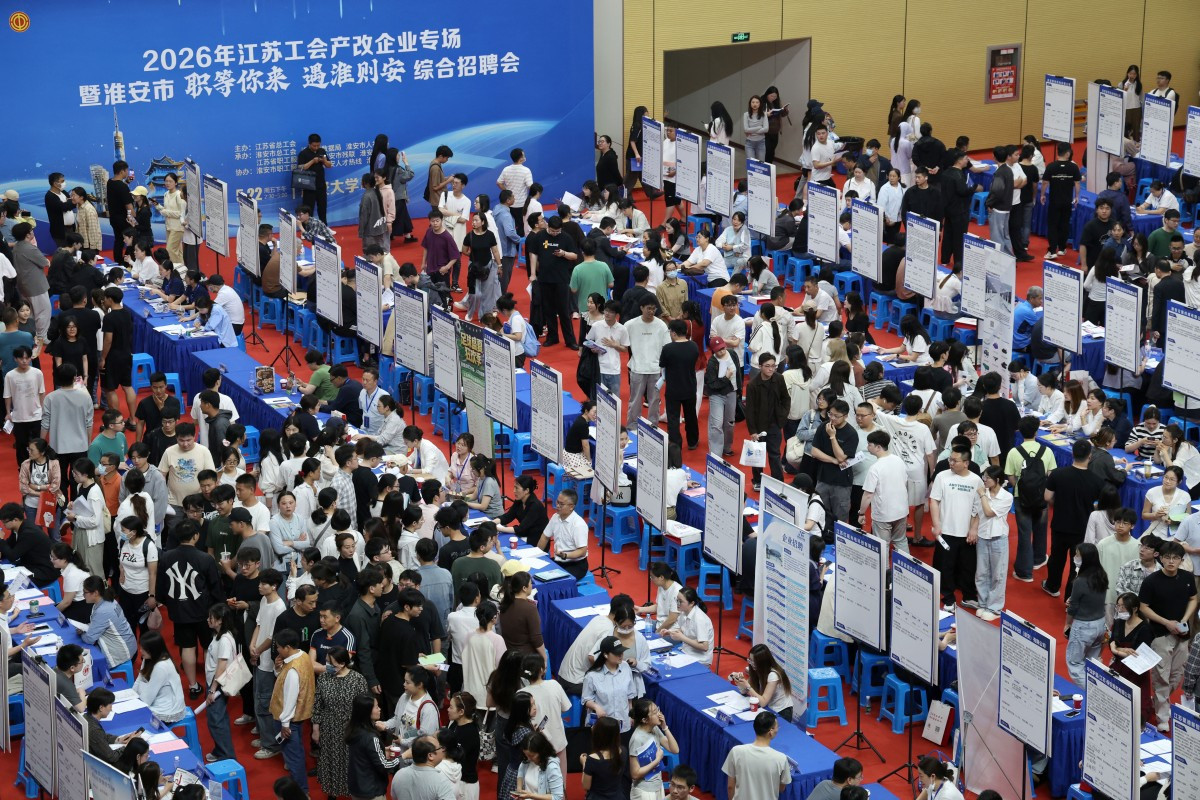
Academia
Why China’s stimulus keeps missing the mark
Now that major trading partners are seeking to put up more barriers, Beijing may need to rethink its cautious approach to direct household stimulus.
10 hours ago
Academia
premium
Strengthening EU-Indonesia dialogue, advancing human rights
At a defining moment for global justice, the European Union and Indonesia are proving that defending universal human rights demands more than shared values: It takes a decade of sustained dialogue, bold reform and united action.
12 hours ago
Academia
premium
Fifth year and counting: ASEAN-Australia Comprehensive Strategic Partnership
From elevating ties to an unprecedented strategic partnership five years ago to tackling shared regional challenges, Australia and ASEAN continue to prove that our collective security and economic future are inextricably intertwined.
12 hours agoThe Latest
View more
Academia
premium
Decolonization and the geopolitics of legitimacy: From Morocco to Papua
When multilateral forums succumb to political theater and procedural breaches, the genuine legal principles of decolonization and sovereignty risk being lost to ideological distraction.
13 hours ago
Academia
premium
Indonesia’s gas policy must deliver more than energy sovereignty
By choking off gas to Singapore to fuel the domestic industry, Jakarta is gambling that resource nationalism can build real economic muscle rather than simply leave stranded promises in its wake.
14 hours ago
Academia
premium
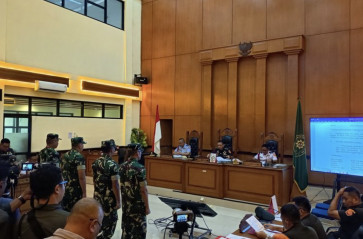
Redefining corruption misses the point of Indonesia’s judicial crisis
Redefining corruption to exclude "state losses" misses the real danger: changing the wording of the law cannot fix a justice system that still struggles to separate honest policy failures from corrupt intent.
15 hours ago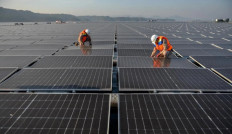
Opinion
premium
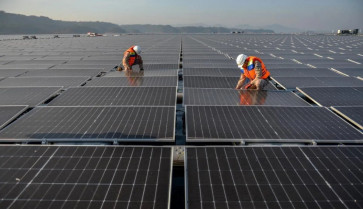
Analysis: PLN leadership shift signals solar ambitions, challenges remain
The appointment of Suroso Isnandar as president director of state-owned electricity company PT PLN comes as the government steps up efforts to deliver its ambitious 100 gigawatt-peak (GWp) solar power program. Having previously overseen renewable energy projects at PLN, Suroso is well positioned to lead the initiative. However, delivering the program within its three-year timeline will be challenging, given Indonesia’s structural constraints on integrating variable renewable energy (NRE) into its electricity grid.
15 hours ago
Editorial
premium
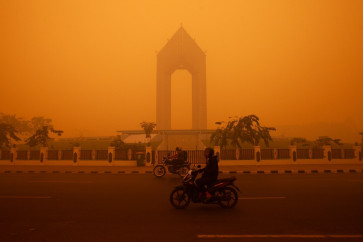
Another day, another warning
The government has underestimated wildfires and their consequences before; it cannot afford to make the same mistake again.
16 hours agoPopular
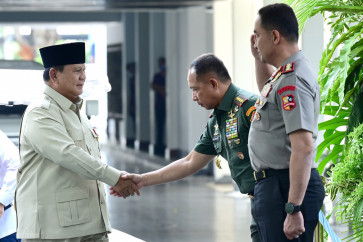
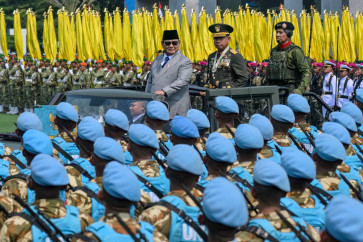
- Prabowo begins third year with tighter grip as public support slips
- RI urges umrah pilgrims to avoid Singapore, Malaysia transit flights
- Indonesia's gas export cuts: A costly blow to trust and regional leadership
- Power for the people
- Indonesia, Singapore at odds as gas export cut raises energy concerns
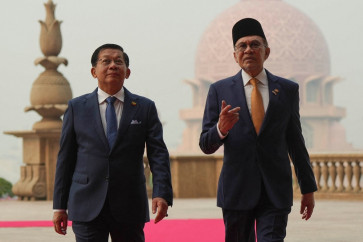
- Jakarta should not lower the bar for Myanmar
- Decolonization and the geopolitics of legitimacy: From Morocco to Papua
- Indonesia has a mountain of rice, but not food security
- Navy thwarts departure of 12 Vietnamese from Batam to Malaysia
- Ministers up ante in RI-Singapore row



premium

insight
Insight: The strategic role of PT SMI in fiscal policy and economic expansion
Indonesia’s future economic growth will not be determined solely by the size of government spending, but also by how effectively development financing is managed.
8 months ago
insight
Insight: Rethinking work: Driving sustainable growth in the digital age
The digital age has redefined how we live, communicate and work, but perhaps nowhere is this shift more critical than in the field of medicine and public health. As healthcare systems integrate digital technologies, the traditional roles of medical professionals are being reshaped.
1 year ago
insight
Insight: Innovations in managing and developing human capital
Over the past few years, the role of human resources (HR) has expanded far beyond administrative tasks. HR professionals today are expected to drive innovation, enhance the employee experience and align people strategies with business goals. With the help of technology, these responsibilities have become more manageable, and in many ways, more impactful.
1 year ago
insight
Insight: AI and Efficiency: Sacrifices The Next Generation
Introduction: From One Disruption to Another
1 year ago
insight
Insight: Securing a healthier future: The importance of Indonesia's plasma fractionation facility
The global health crisis brought on by COVID-19 tested healthcare systems worldwide, and Indonesia was no exception. As one of the world’s most populous nations, the nation faced immense challenges yet demonstrated resilience and adaptability in navigating the pandemic.
1 year ago
insight
Insight: Understanding sovereign wealth funds and their application in Indonesia
Toward the end of 2020, amid a world grappling with unprecedented challenges, Indonesia took a bold step in securing its economic future: establishing its first sovereign wealth fund (SWF), the Indonesia Investment Authority (INA).
2 years ago