The Jakarta Post
Please Update your browser
Your browser is out of date, and may not be compatible with our website. A list of the most popular web browsers can be found below.
Just click on the icons to get to the download page.


Popular Reads
Top Results
No results found. Please check your search term and try again
Can't find what you're looking for?
View all search results
Popular Reads
Top Results
No results found. Please check your search term and try again
Can't find what you're looking for?
View all search resultsAbortion limits in KUHP ignite women’s rights debate
Change text size
Gift Premium Articles
to Anyone
Share the best of The Jakarta Post with friends, family, or colleagues. As a subscriber, you can gift 3 to 5 articles each month that anyone can read—no subscription needed!
 Set as preferred source
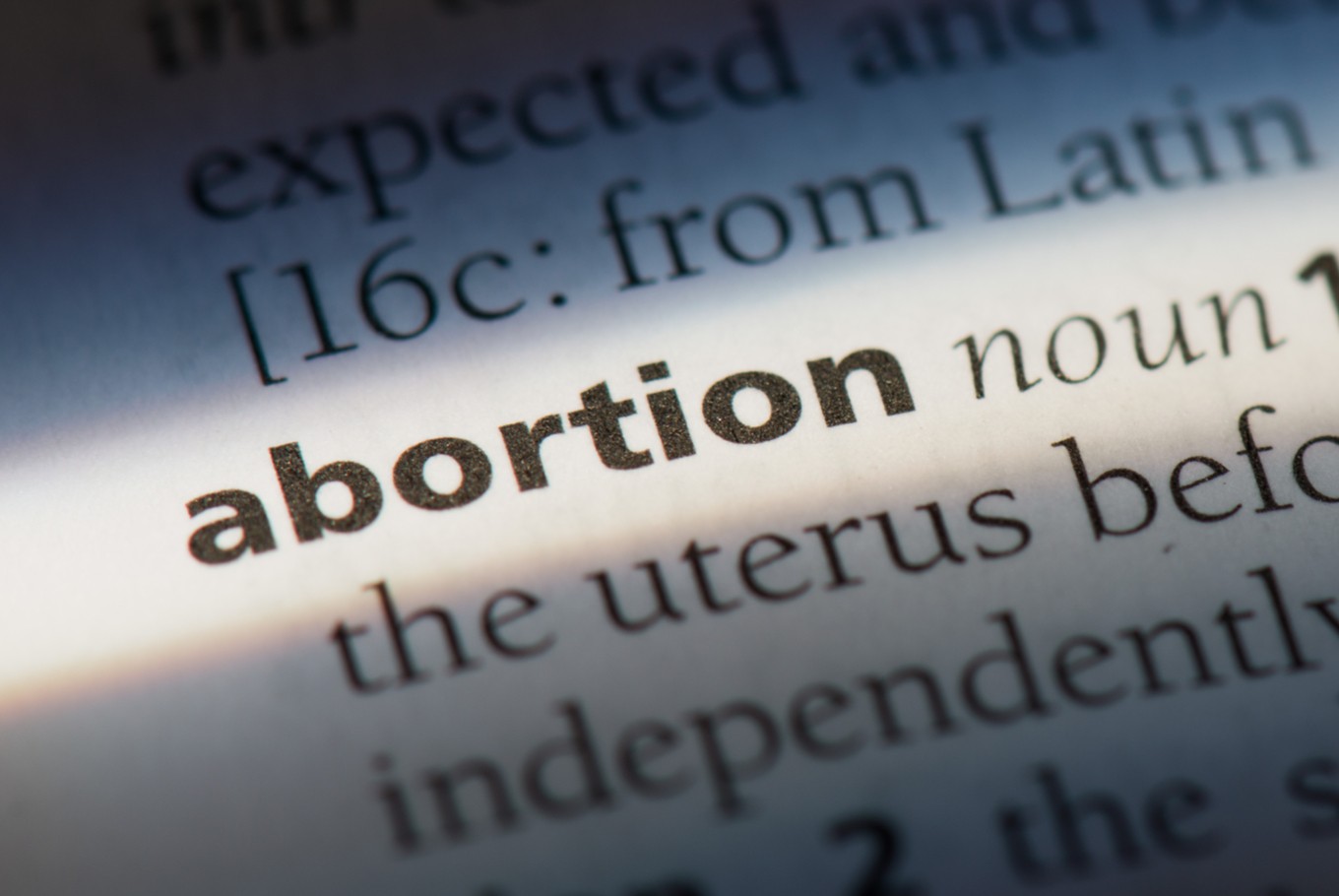 The noun "abortion" in a dictionary in this undated picture. Existing 2014 government regulation legalizes abortion for rape victims and as a life-saving measure. (Shutterstock/File)
W
omen’s rights groups have criticized the country’s new Criminal Code (KUHP) for continuing to criminalize abortion except in cases of rape or medical necessity, calling the law a setback for women’s reproductive rights and bodily autonomy.
At a recent discussion to commemorate the International Women’s Day this month, speakers highlighted how restrictive abortion regulations continue to limit women’s control over their own bodies.
“Abortion is often left undiscussed because of its sharp intersection with morality and regulation,” said Ika Ayu, director of reproductive rights advocacy group Samsara, during the Feb. 24 discussion hosted by Perempuan Mahardika in Jakarta.
“It’s the most tangible manifestation of state control over women’s bodies.”
She pointed to the newly enacted KUHP, which criminalizes abortion except in cases involving sexual violence or rape, with a 14-week gestational limit, as well as medical emergencies that require the procedure. The maximum penalty for violating these provisions is four years in prison.
Meanwhile, anyone performing an abortion with the woman’s consent faces up to five years in prison, and up to 12 years if conducted without consent. The 2023 Health Law further prohibits abortion except under the exceptions outlined in the KUHP.

Read also: Policing morality at the expense of women’s rights