The Jakarta Post
Please Update your browser
Your browser is out of date, and may not be compatible with our website. A list of the most popular web browsers can be found below.
Just click on the icons to get to the download page.


Popular Reads
Top Results
No results found. Please check your search term and try again
Can't find what you're looking for?
View all search results
Popular Reads
Top Results
No results found. Please check your search term and try again
Can't find what you're looking for?
View all search resultsResponsibility to protect
As the Middle East teeters on the verge of a wider conflict, Jakarta must move beyond intensive monitoring and honor its constitutional mandate to protect its citizens residing in the region.
Change text size
Gift Premium Articles
to Anyone
Share the best of The Jakarta Post with friends, family, or colleagues. As a subscriber, you can gift 3 to 5 articles each month that anyone can read—no subscription needed!
 Set as preferred source
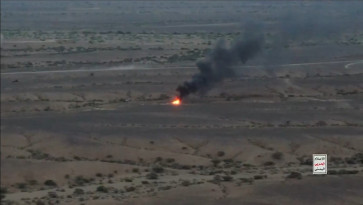
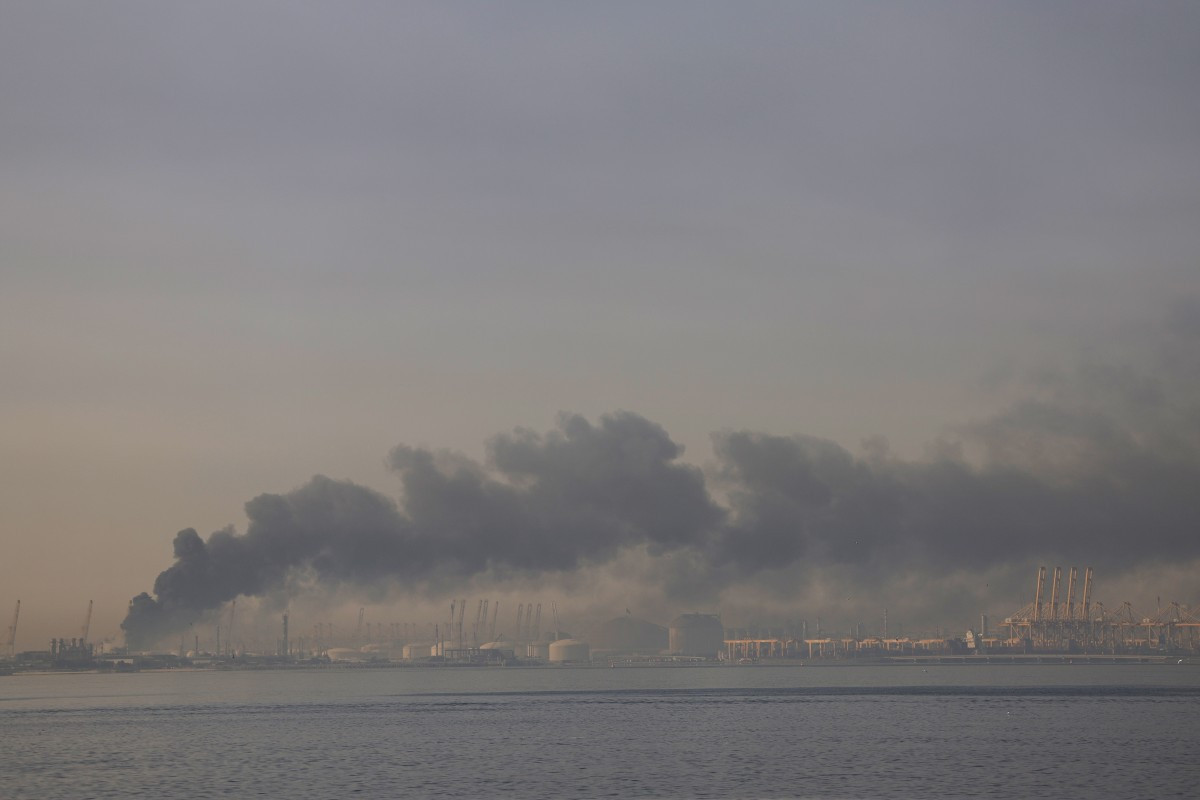 A plume of smoke rises from the port of Jebel Ali on March 1 following a reported Iranian strike in Dubai, the United Arab Emirates. (AFP/Fadel Senna)
T
he successful evacuation of 23 Indonesian citizens from Zayed International Airport in Abu Dhabi this week was a small but significant step in the right direction. Stranded by flight cancellations following coordinated United States and Israeli strikes against Iran and the subsequent Iranian retaliations, the transit passengers, many returning from umrah, are now safe in hotels in the United Arab Emirates (UAE) capital.
However, as the Middle East teeters on the brink of a prolonged conflict, as US President Donald Trump has indicated, this handful of evacuees represents only the tip of a massive humanitarian iceberg.
With over 519,000 Indonesian nationals currently residing across the Middle East for work or study, the government faces a moral imperative to shift from a close watch to the kind of decisive action currently being modeled by the international community.
While Jakarta evaluates risk assessments, other nations have already sounded the siren. The US State Department has urged its citizens to leave over a dozen countries, including Saudi Arabia and the UAE, citing immediate safety risks. The United Kingdom has deployed rapid response teams to ensure its nationals can return home "swiftly and safely." Perhaps most notably, Germany has mobilized aircraft to evacuate vulnerable tourists—the sick, children and pregnant women—stranded across the region.
Even ASEAN neighbor the Philippines has upgraded its travel advisories, triggering automatic deployment bans for migrant workers. Manila admits that in such a dynamic security situation, waiting for conditions to worsen often means waiting until it is too late to move.
The scale of the challenge for Indonesia is undoubtedly daunting. Beyond the half-million residents, a specific crisis is unfolding in Saudi Arabia, where more than 58,000 Indonesians are currently stranded in the holy cities of Mecca and Medina during Ramadan. For these pilgrims, what should be a journey of spiritual reflection has turned into a logistical nightmare of closed airspaces and canceled flights.

The Haj and Umrah Ministry identified the situation as an urgent humanitarian and logistical issue. While coordination with Saudi authorities is ongoing, the sheer volume of citizens requires more than just contingency plans; it requires an active air bridge.