TheJakartaPost
Please Update your browser
Your browser is out of date, and may not be compatible with our website. A list of the most popular web browsers can be found below.
Just click on the icons to get to the download page.


Popular Reads
Top Results
No results found. Please check your search term and try again
Can't find what you're looking for?
View all search results
Popular Reads
Top Results
No results found. Please check your search term and try again
Can't find what you're looking for?
View all search resultsAsia's next harvest is already being decided
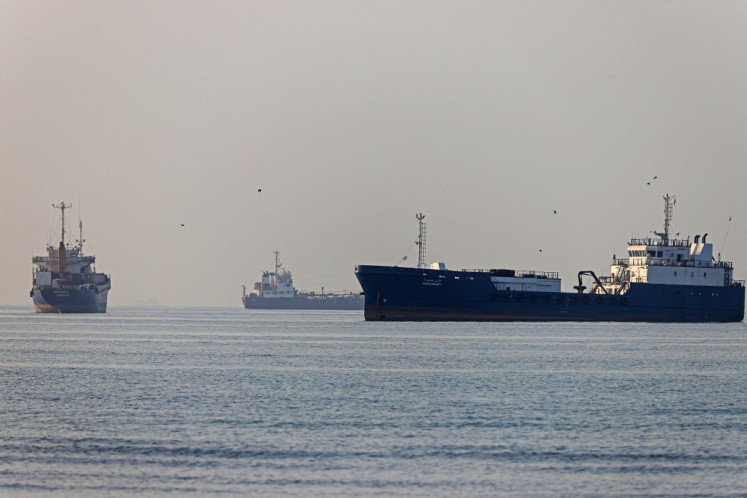
Nine out of ten ships that once passed through the Strait of Hormuz are not going anywhere. The consequences are already shaping Asia's next harvest and the one after that.
Change text size
Gift Premium Articles
to Anyone
Share the best of The Jakarta Post with friends, family, or colleagues. As a subscriber, you can gift 3 to 5 articles each month that anyone can read—no subscription needed!
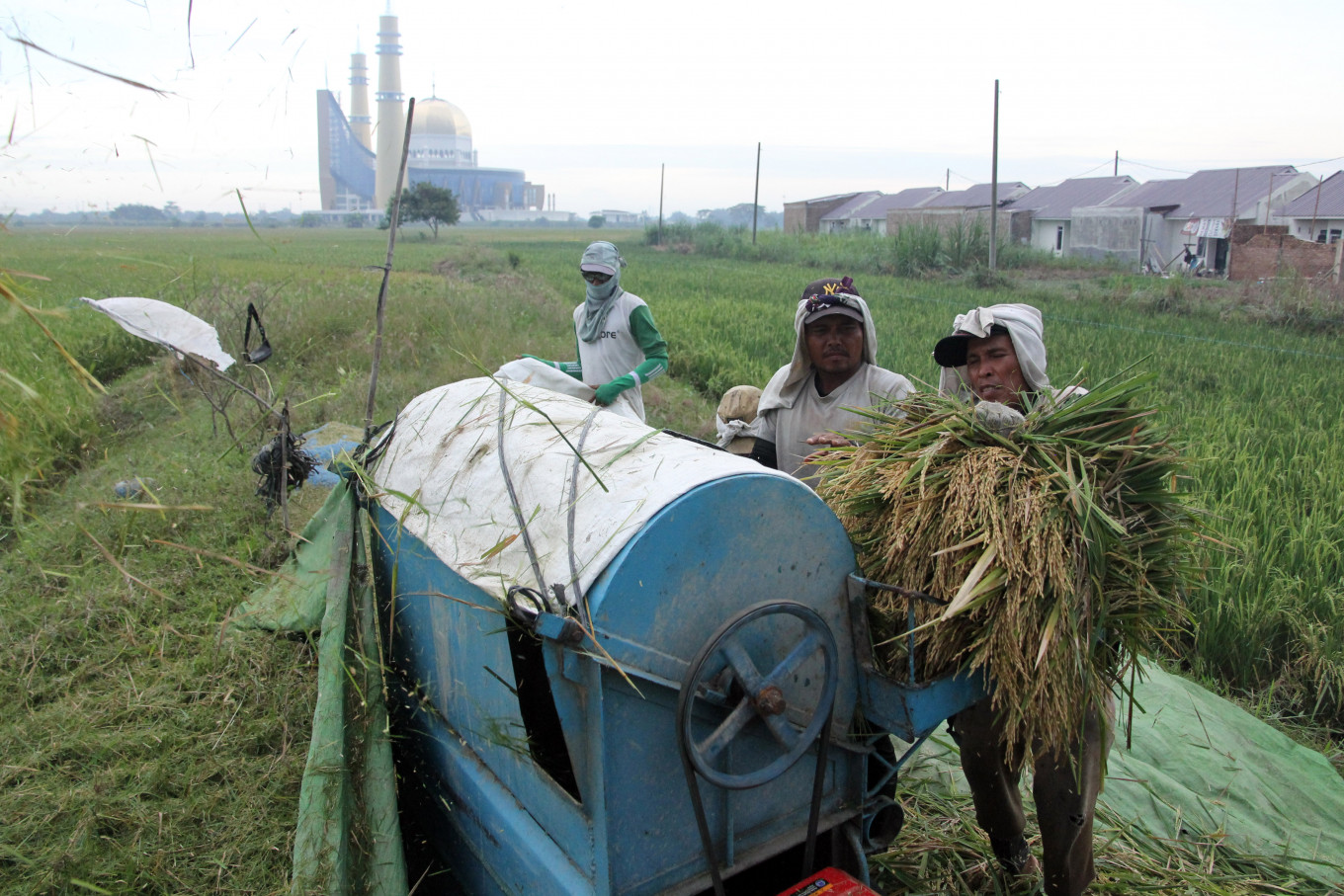 Farmers thresh harvested rice on Feb. 18, 2026, in Martubung subdistrict, Medan, North Sumatra. (Antara/Yudi Manar)
N
ine out of 10 ships that once passed through the Strait of Hormuz are not going anywhere. The consequences are already shaping Asia's next harvest and the one after that.
The disruption is now reaching the foundation of Asia's agricultural cycle. Shipments have stalled. Gulf economies, among the largest buyers of Asian rice, meat and dairy, have sharply reduced their purchases. In one stroke, Asian farmers are losing both the inputs they depend on and the markets they serve. The adjustment is already underway across planting decisions from Punjab to the Mekong.
We can still help limit the damage of the Gulf crisis as it applies to planting decisions and yields. Among other things, the outcome will turn on whether land remains in food production and whether farmers retain access to the inputs that allow it to endure. But time is short and the scope for adjustment is narrowing with each passing week.
The effects of the crisis are already visible across key agricultural exporters. Vietnam, the world's second-largest rice exporter, is cutting production as energy costs compress margins. Thailand and Bangladesh face similar pressures. Across the region, farmers face the same calculation: input costs are up by 50 to 80 percent while output prices remain subdued. Many farmers in Asia are no longer breaking even.
It is easy to see what follows. Some farmers will reduce application rates and accept lower yields. Others will move toward crops that require fewer inputs. Elevated energy prices are also increasing pressure to expand biofuel production, redirecting land from food to corn and soy for ethanol and biodiesel. The problem is that each response reduces the food supply. Decisions taken during the 2026 planting season determine the 2027 harvest. Once made, they cannot be reversed.
There is also another largely overlooked concern. Millions of Asian households depend on remittances from workers in the Gulf. These flows account for more than 8 percent of gross domestic product in Nepal, 5.6 percent in Pakistan, 2.8 percent in Bangladesh and 2.5 percent in the Philippines. That income finances seeds, covers input costs and sustains smallholder investment. A slowdown in Gulf economies reduces those transfers just as input prices rise and export revenues fall. For farmers already absorbing higher input costs and falling export revenues, the loss of remittance income translates directly into a decision to plant less.

The disruption is now raising the cost of moving essential inputs. Shipping insurance premiums have climbed from 0.25 percent to between 7 and 10 percent of hull value. These costs persist until stability is sustained, not declared. Fertilizer shipments missed in March and April cannot be delivered into planting windows that have already closed. Supply chains built over years will take months to restore. The result is straightforward: less planted area now and lower output later.