The Jakarta Post
Please Update your browser
Your browser is out of date, and may not be compatible with our website. A list of the most popular web browsers can be found below.
Just click on the icons to get to the download page.


Popular Reads
Top Results
No results found. Please check your search term and try again
Can't find what you're looking for?
View all search results
Popular Reads
Top Results
No results found. Please check your search term and try again
Can't find what you're looking for?
View all search resultsWhen villages quietly carry the national economy
Factories were supposed to build Indonesia’s modern workforce. But as industrial job growth stalls, village spending, not factory floors, is keeping the economy afloat.
Change text size
Gift Premium Articles
to Anyone
Share the best of The Jakarta Post with friends, family, or colleagues. As a subscriber, you can gift 3 to 5 articles each month that anyone can read—no subscription needed!
 Set as preferred source
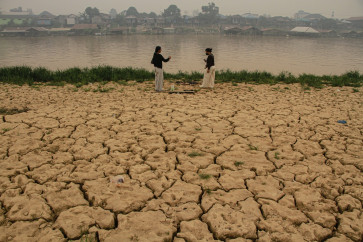
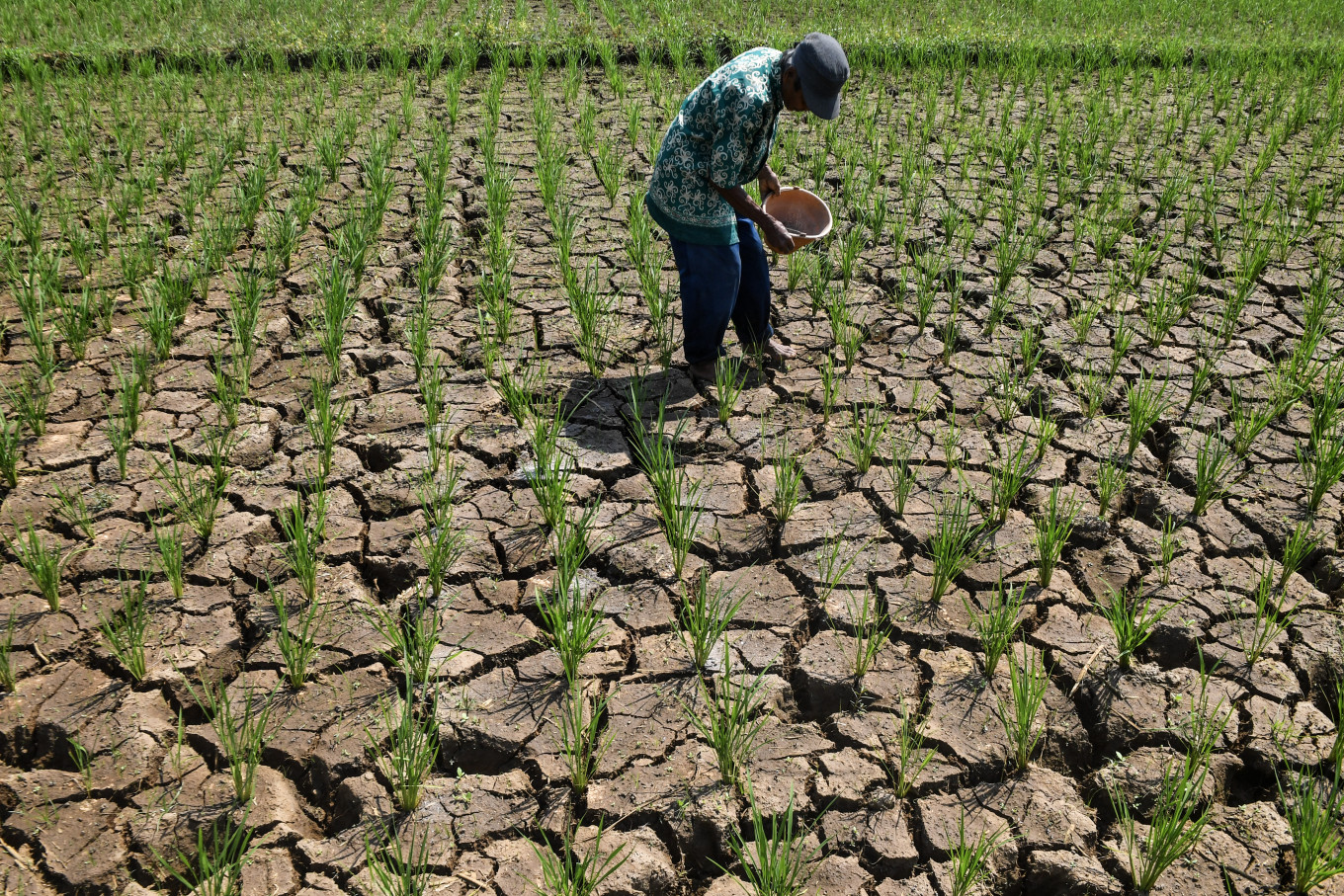 A farmer applies urea fertilizer on June 10, 2026, at a parched rice field in Handapherang village, Ciamis regency, West Java. (Antara/Adeng Bustomi)
E
very development strategy carries an unstated assumption about where people will eventually earn a living. For most of Indonesia’s modern history, that destination was the factory floor.
Agriculture was supposed to release labor; industry was supposed to absorb it. Villages were seen as places people leave behind, not enduring arenas of economic transformation.
A burgeoning manufacturing sector has long served as shorthand for structural progress. Yet that narrative falls apart when the economy begins charting a completely different path.
By conventional benchmarks, Indonesian industry looks robust. According to Statistics Indonesia (BPS), manufacturing contributed 19.2 percent of gross domestic product in the final quarter of 2025, clocking its fastest annual growth in nearly a decade. The labor market, however, paints a much starker picture.
As of August 2025, non-oil and gas manufacturing employed roughly 20.3 million people, or just 13 percent of the total workforce. Agriculture, forestry and fisheries meanwhile still engaged 42.5 million workers in early 2026, accounting for nearly 29 percent of all employment.
While manufacturing drives value added, farming remains the country’s primary employer. This imbalance is a structural feature of modern growth: Manufacturing has grown significantly more productive without becoming proportionately labor-absorptive.

Economists call this jobless growth: Output scales up but head counts stay flat. With capacity utilization lingering below full production throughout 2025, factories simply do not need millions of new hands to expand output. So where does the surplus labor actually go?