The Jakarta Post
Please Update your browser
Your browser is out of date, and may not be compatible with our website. A list of the most popular web browsers can be found below.
Just click on the icons to get to the download page.


Popular Reads
Top Results
No results found. Please check your search term and try again
Can't find what you're looking for?
View all search results
Popular Reads
Top Results
No results found. Please check your search term and try again
Can't find what you're looking for?
View all search resultsWhy Dolly Parton was one of America’s greatest
What made her something more was what she did when she left the stage.
Change text size
Gift Premium Articles
to Anyone
Share the best of The Jakarta Post with friends, family, or colleagues. As a subscriber, you can gift 3 to 5 articles each month that anyone can read—no subscription needed!
 Set as preferred source
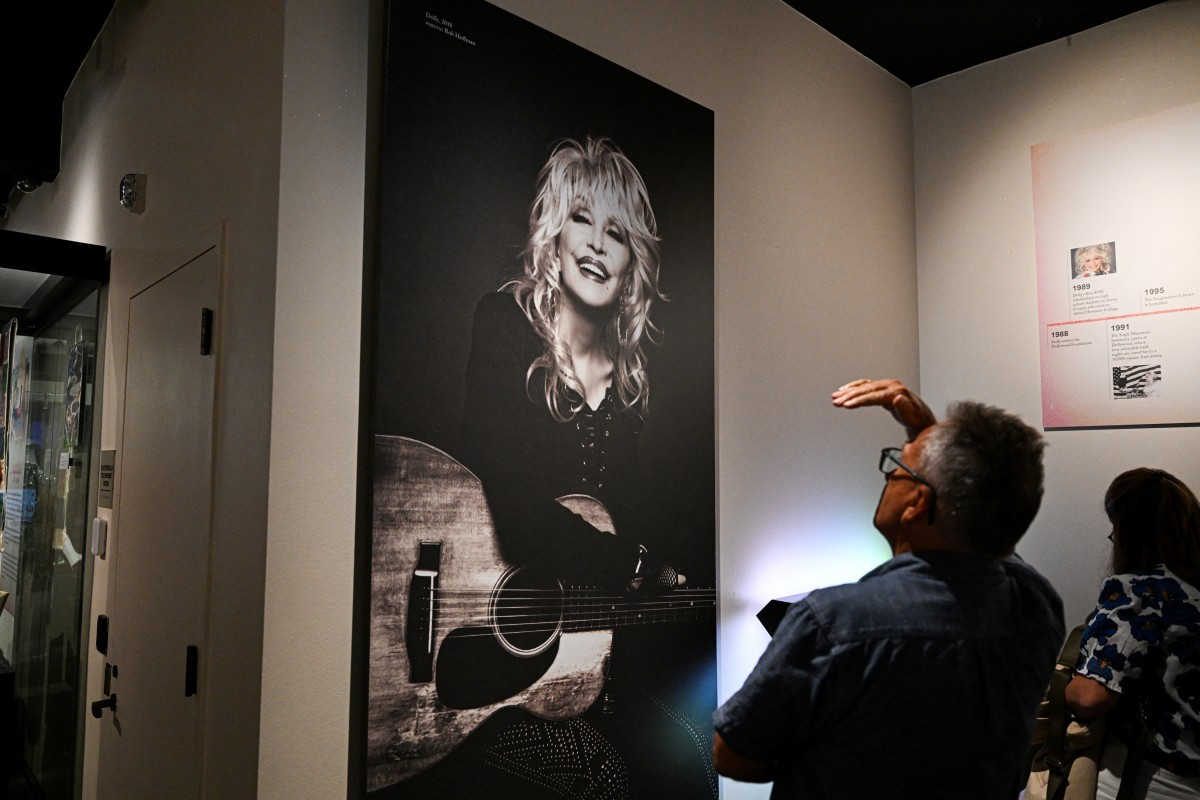 People visit the Dolly Parton exhibit at the Country Music Hall of Fame in Nashville, Tennessee, the United States, on Aug. 26, 2026. (AFP/Handan Khanna)
F
or Indonesians who did not grow up listening to American country music, it may be difficult to understand the scale of the loss Americans are feeling with the death of Dolly Parton at 80.
Imagine, perhaps, a figure who began in something like America’s version of dangdut, the music of ordinary people, rural communities and working families, and somehow became bigger than the genre itself. Imagine an artist who could sing convincingly about poverty, bad men, hard work, jealousy, faith and heartbreak, and then become a movie star, businesswoman, television personality and international celebrity without ever seeming embarrassed by the people or places from which she came.
That begins to explain Dolly Parton. But only begins.
There will inevitably be arguments about where Parton belongs in the pantheon of American popular culture. I would put her at the very top. Elvis Presley was perhaps the greater symbol of rock and roll. Michael Jackson may have achieved greater global pop superstardom. But neither had the extraordinary range of Dolly Parton. Singer, songwriter, musician, actress, comedian, entrepreneur and philanthropist, she did something even rarer: she remained recognizably herself through nearly seven decades of fame.
She was also a formidable artist.
Parton emerged from the Appalachian Mountains of Tennessee, one of 12 children in a desperately poor family. The musical world that formed her was the music of the American mountains: folk songs, gospel, country and bluegrass. It was music passed between families and communities before it became an industry in Nashville.

Indonesian readers might recognize something in this story. Country and dangdut are musically very different traditions, but socially they have sometimes occupied similar territory. Both have been dismissed by cultural elites as unsophisticated music for unsophisticated people. Both speak unusually directly about love, abandonment, money, family and disappointment. And both demonstrate something elites periodically forget: ordinary people’s lives are worthy subjects for art.