The Jakarta Post
Please Update your browser
Your browser is out of date, and may not be compatible with our website. A list of the most popular web browsers can be found below.
Just click on the icons to get to the download page.


Popular Reads
Top Results
No results found. Please check your search term and try again
Can't find what you're looking for?
View all search results
Popular Reads
Top Results
No results found. Please check your search term and try again
Can't find what you're looking for?
View all search resultsBeyond bribery: Rethinking how Indonesia understands corruption
By reducing corruption to mere bribery, Indonesia risks letting modern abuses of power escape justice, a blind spot laid bare by the controversial trial of Nadiem Makarim.
Change text size
Gift Premium Articles
to Anyone
Share the best of The Jakarta Post with friends, family, or colleagues. As a subscriber, you can gift 3 to 5 articles each month that anyone can read—no subscription needed!
 Set as preferred source
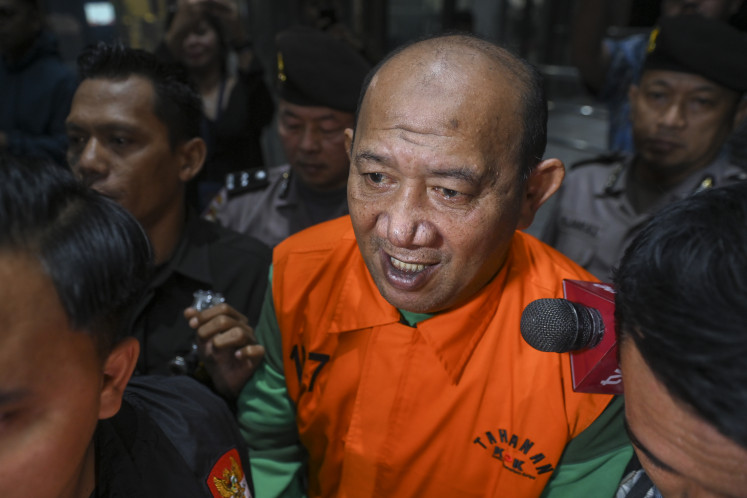
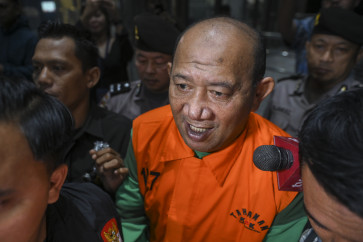
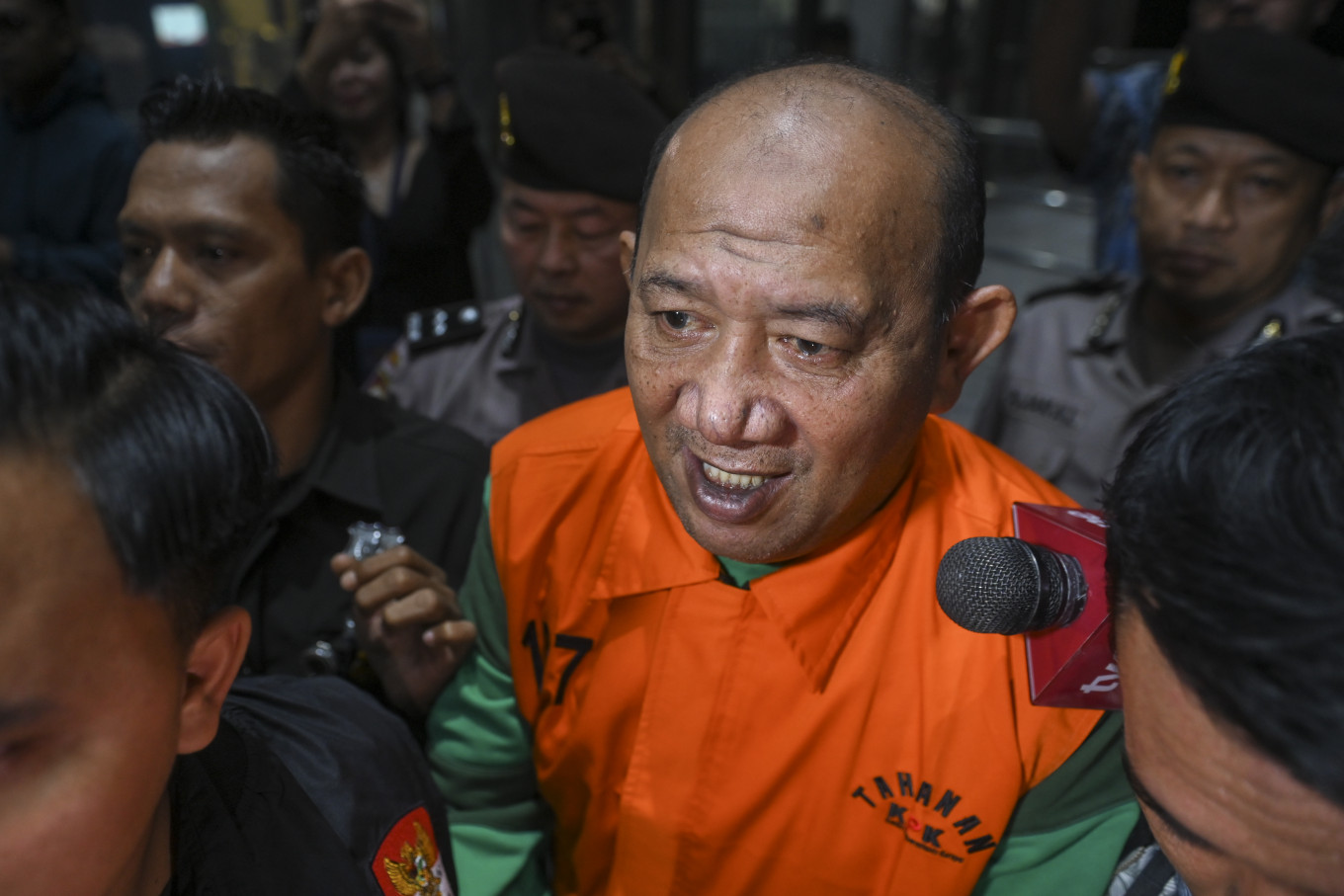 Langkat Regent Syah Afandin is escorted to a detention vehicle after questioning at the Corruption Eradication Commission (KPK) headquarters in Jakarta, on July 4, 2026. The KPK detained Afandin after naming him as a suspect in a bribery case related to public works projects in Langkat regency from 2025- 2026. (Antara/Hafidz Mubarak A)
M
ore than three months have passed since the Jakarta Corruption Court sentenced former education minister Nadiem Makarim to 10 years’ imprisonment over the government’s Chromebook procurement program. Maintaining his innocence, Nadiem has vowed to appeal. The verdict remains sharply contested, not least because of a notable dissenting opinion that parted ways with the majority’s reasoning.
Yet whatever the eventual outcome, the case has exposed a deeper systemic vulnerability in Indonesia’s anti-corruption framework: our legal imagination has conflated corruption almost entirely with bribery.
This tendency is structurally understandable. Bribery provides a clean, readily prosecutable narrative, a clear quid pro quo linking giver, recipient and an illicit benefit. Decades of sting operations (Operasi Tangkap Tangan, or OTT) have entrenched this model. Wiretaps, bag drops, bank transfers and paper bags of cash supply a visible, satisfying evidentiary trail. For law enforcement, catching a suspect red-handed offers a path of least procedural resistance.
The danger begins when an enforcement technique hardens into an institutional mindset. When investigators reflexively ask “Who paid whom?”, misconduct that leaves no paper trail of kickbacks risks falling outside the aperture of what constitutes corruption.
Modern malfeasance rarely relies on crude payoffs. Public funds can be diverted through procurement specifications subtly engineered to favor a single bidder. Regulators can game licensing regimes, weaponize confidential data, rig public appointments or conceal conflicts of interest to confer massive commercial windfalls. Public assets can be siphoned off without an external bribe payer, and regulatory policy can be captured through networks of patronage that leave no envelope of cash behind.
International legal frameworks have long recognized this reality. The United Nations Convention against Corruption (UNCAC), which Indonesia ratified, sets out an expansive architecture of abuse that extends far beyond bribery. It explicitly criminalizes embezzlement, trading in influence, abuse of functions, illicit enrichment, money laundering, concealment, obstruction of justice and private-sector corruption. Bribery is merely one spoke in a far broader wheel.

To be sure, cross-border enforcement often leans heavily on bribery as an operational anchor. The United States Foreign Corrupt Practices Act (FCPA), bolstered by the enactment of the Foreign Extortion Prevention Act (FEPA) in late 2023, and the United Kingdom’s Bribery Act 2010 focus largely on foreign bribery and the failure to prevent it. In cross-border cases, a bribery nexus frequently serves as the necessary jurisdictional hook.