The Jakarta Post
Please Update your browser
Your browser is out of date, and may not be compatible with our website. A list of the most popular web browsers can be found below.
Just click on the icons to get to the download page.


Popular Reads
Top Results
No results found. Please check your search term and try again
Can't find what you're looking for?
View all search results
Popular Reads
Top Results
No results found. Please check your search term and try again
Can't find what you're looking for?
View all search resultsHow state budget fuels more land and ecological conflicts
As toxic haze blankets the region, Indonesia's 2027 draft budget reveals a dangerous paradox: chasing state revenue by doubling down on the very extractive projects fueling the fires and displacing its people.
Change text size
Gift Premium Articles
to Anyone
Share the best of The Jakarta Post with friends, family, or colleagues. As a subscriber, you can gift 3 to 5 articles each month that anyone can read—no subscription needed!
 Set as preferred source
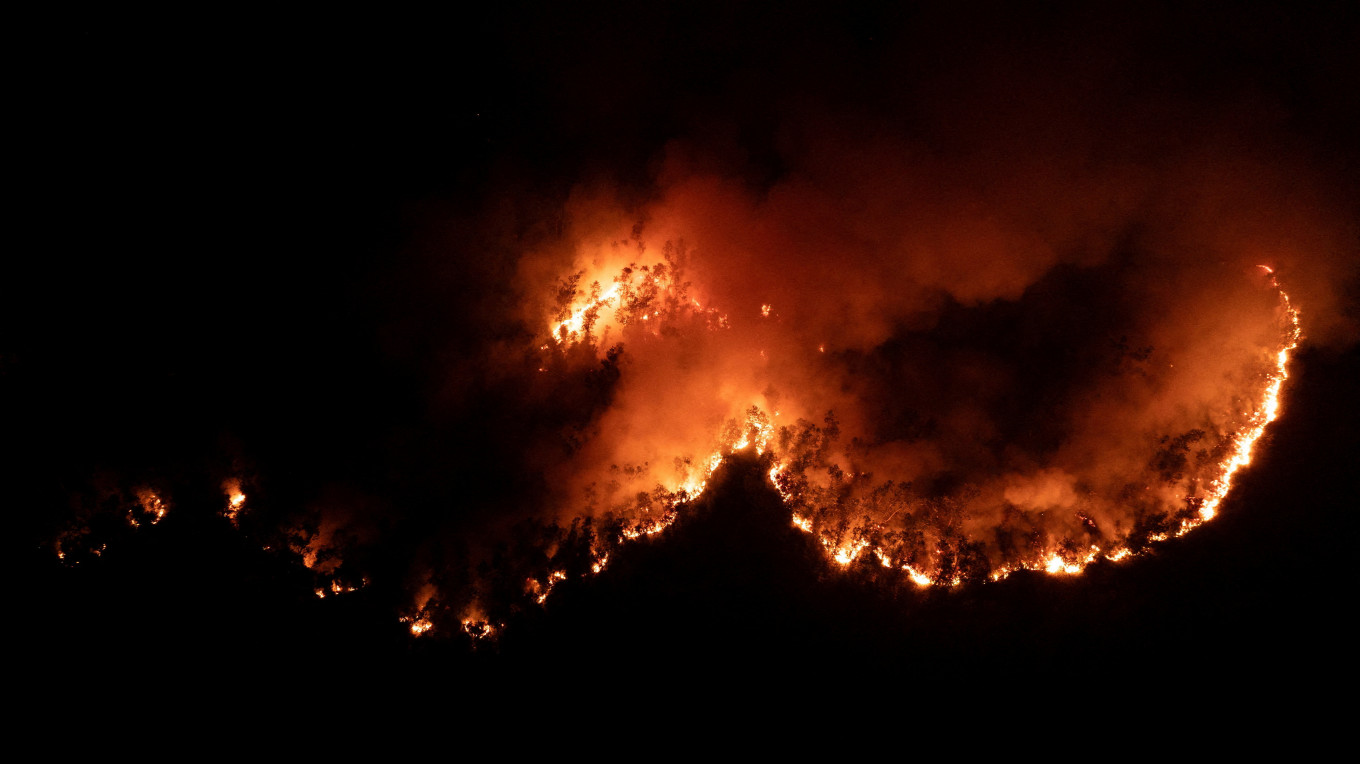 Smoke and flames rise from a wildfire burning in Palangka Raya, Central Kalimantan, on Aug. 13, 2026. (Reuters/Ajeng Dinar Ulfiana)
T
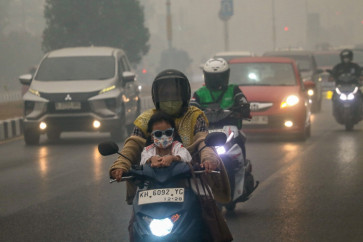
he forest fires sweeping across Kalimantan, Sumatra and Papua are a stark wake-up call for Jakarta. In Riau, hazardous smoke forced schools shut on Monday. Two days earlier, Central Kalimantan’s Air Pollutant Standard Index hit 500, a level classified as hazardous under Environment and Forestry Ministry Regulation No. 14/2020, requiring emergency intervention.
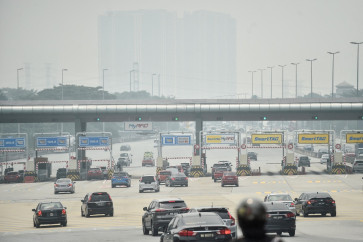
The choking haze has grown severe enough that Malaysia and Brunei Darussalam are weighing formal escalation through ASEAN. However, beyond the immediate crisis, this disaster exposes systemic dysfunction in how Indonesia governs its agrarian resources.
On Aug. 14, President Prabowo Subianto unveiled the Financial Note and Draft State Budget (RAPBN) for 2027. A clear theme runs through the draft: land, forests, minerals and other natural resources are treated primarily as engines for state revenue and GDP growth. Absent from the plan is any credible mechanism to ensure that control over these resources and the wealth derived from them, is distributed equitably and sustainably among everyday citizens.
This approach sits uneasily with Article 33 of the 1945 Constitution, which the Financial Note itself invokes as the bedrock of the national economy. Under this mandate, the state holds stewardship over agrarian wealth to maximize public prosperity.
Measuring the 2027 draft budget solely by non-tax revenue (PNBP), incoming investment, production volume and downstream expansion misses the mark. Real success must also account for resolved land disputes, secure tenure for local populations, fair resource access and ecological restoration, priorities that remain sidelined in the new draft.
Consider the baseline inequality: half of Indonesia's 50 wealthiest individuals built their fortunes on extractive industries that leave massive environmental damage in their wake. A 2026 Celios report found their collective wealth equals that of 55 million everyday citizens.

Meanwhile, roughly three million residents across Aceh, North Sumatra and West Sumatra face an estimated Rp 68 trillion (US$3.8 billion) economic burden from late-2025 ecological disasters, with local economies projected to take a decade to recover. That figure does not even account for the ongoing losses caused by plantation fires.