The Jakarta Post
Please Update your browser
Your browser is out of date, and may not be compatible with our website. A list of the most popular web browsers can be found below.
Just click on the icons to get to the download page.


Popular Reads
Top Results
No results found. Please check your search term and try again
Can't find what you're looking for?
View all search results
Popular Reads
Top Results
No results found. Please check your search term and try again
Can't find what you're looking for?
View all search resultsThe program redesign the IMF needs
As the IMF undertakes the first major evaluation of its guidelines for program design since 2019, it should focus on three features of its lending toward reform, given widespread debt distress in developing countries.
Change text size
Gift Premium Articles
to Anyone
Share the best of The Jakarta Post with friends, family, or colleagues. As a subscriber, you can gift 3 to 5 articles each month that anyone can read—no subscription needed!
 Set as preferred source
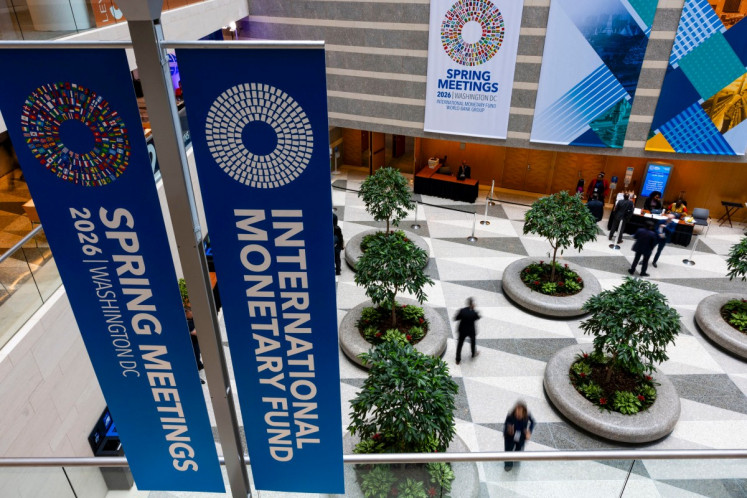
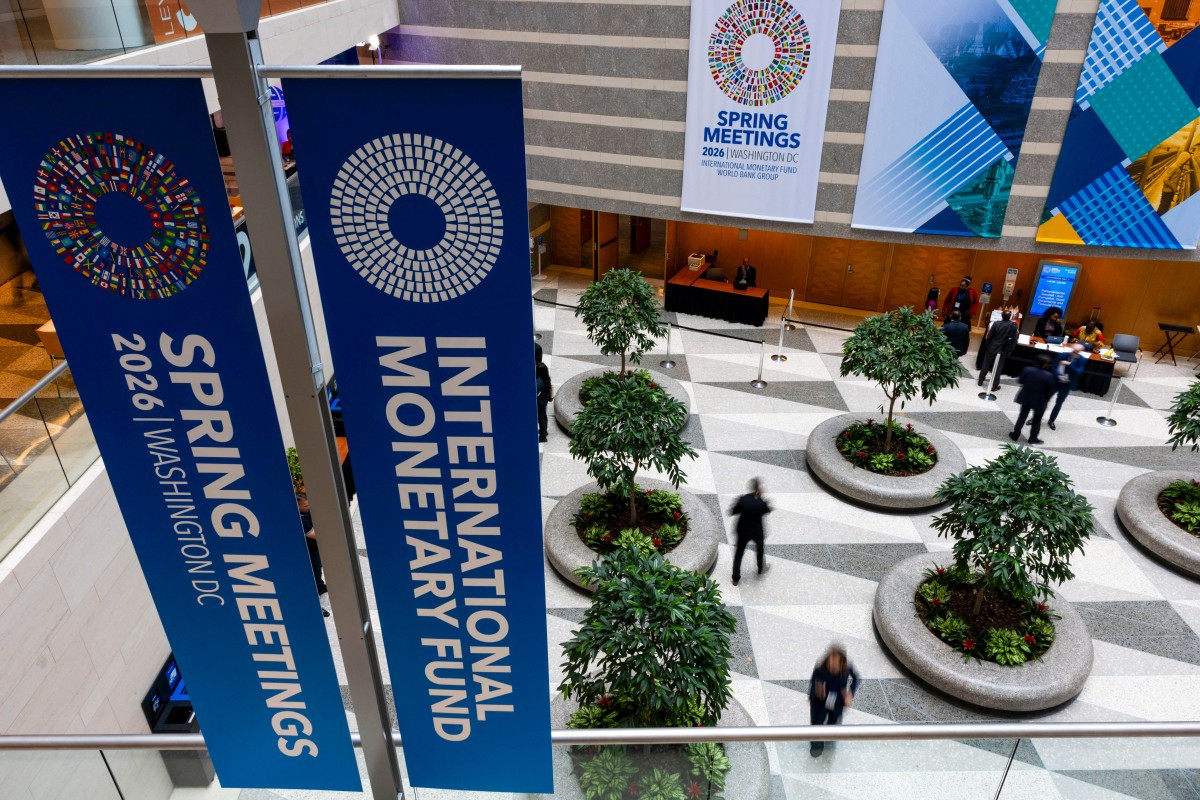 Banners decorate the International Monetary Fund (IMF) headquarters in Washington on April 13, the first day of the 2026 Spring Meetings of the IMF and the World Bank Group (WBG). (AFP/Kent Nishimura)
T
he International Monetary Fund is conducting a Review of Program Design and Conditionality, its first major evaluation since 2019, before the COVID-19 pandemic. With so many countries suffering from macroeconomic imbalances and debt distress that are severely weakening their development prospects, the IMF guidelines for program design, while always important, are more salient than ever.
The IMF review should address at least three critical features of IMF program design, with a view to reforming all of them.
The first is policy conditionality. IMF financing is supposed to play a stabilizing role, meaning that it should enable countercyclical macroeconomic policies in countries that do not have access to other sources of financing. It should never be used to meet payments on unsustainable debt.
The IMF’s own rules establish that in order to access Fund resources, a country’s debt must be sustainable, or else the country must commit to efforts to restore debt sustainability through debt restructuring. The IMF’s policy on lending into arrears allows the Fund to lend while a country is in arrears to other creditors, thereby facilitating the restructuring process.
What we should not see is IMF financing supporting programs that include contractionary fiscal policies, for example, cuts to investment in public infrastructure, education and health, while the government continues repaying debts to the private sector or to other creditors that refuse to provide financing to roll over those debts.
This has become a worrying pattern in many developing countries, as explained last year in the Vatican’s Jubilee Report for Pope Francis. In some recent years, multilateral financing for developing countries seems to have supported an outflow of funds to the private sector rather than an expansion of domestic investment.

IMF-financed programs should also prevent future destabilizing capital movements. When left unregulated, these flows tend to be procyclical in developing economies, in turn fueling exchange rate volatility and uncertainty, thereby undermining investment.