The Jakarta Post
Please Update your browser
Your browser is out of date, and may not be compatible with our website. A list of the most popular web browsers can be found below.
Just click on the icons to get to the download page.


Popular Reads
Top Results
No results found. Please check your search term and try again
Can't find what you're looking for?
View all search results
Popular Reads
Top Results
No results found. Please check your search term and try again
Can't find what you're looking for?
View all search resultsBeyond arrests: Who is really responsible for the haze?
Smoke doesn’t stop at national borders, and accountability shouldn’t stop at the person holding the match.
Change text size
Gift Premium Articles
to Anyone
Share the best of The Jakarta Post with friends, family, or colleagues. As a subscriber, you can gift 3 to 5 articles each month that anyone can read—no subscription needed!
 Set as preferred source
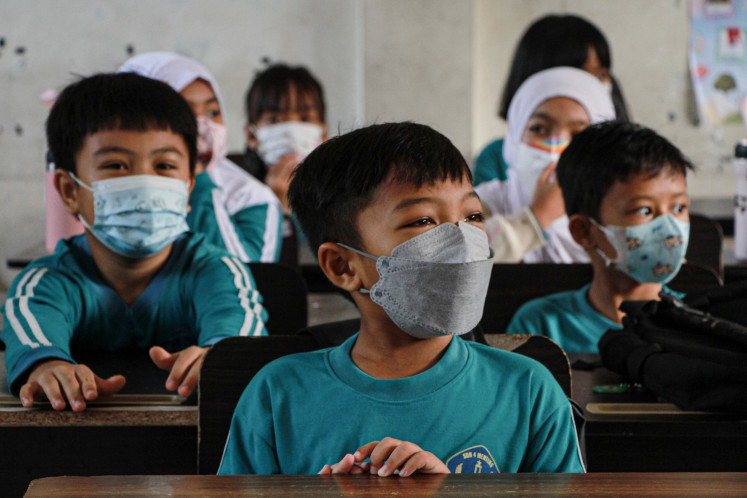
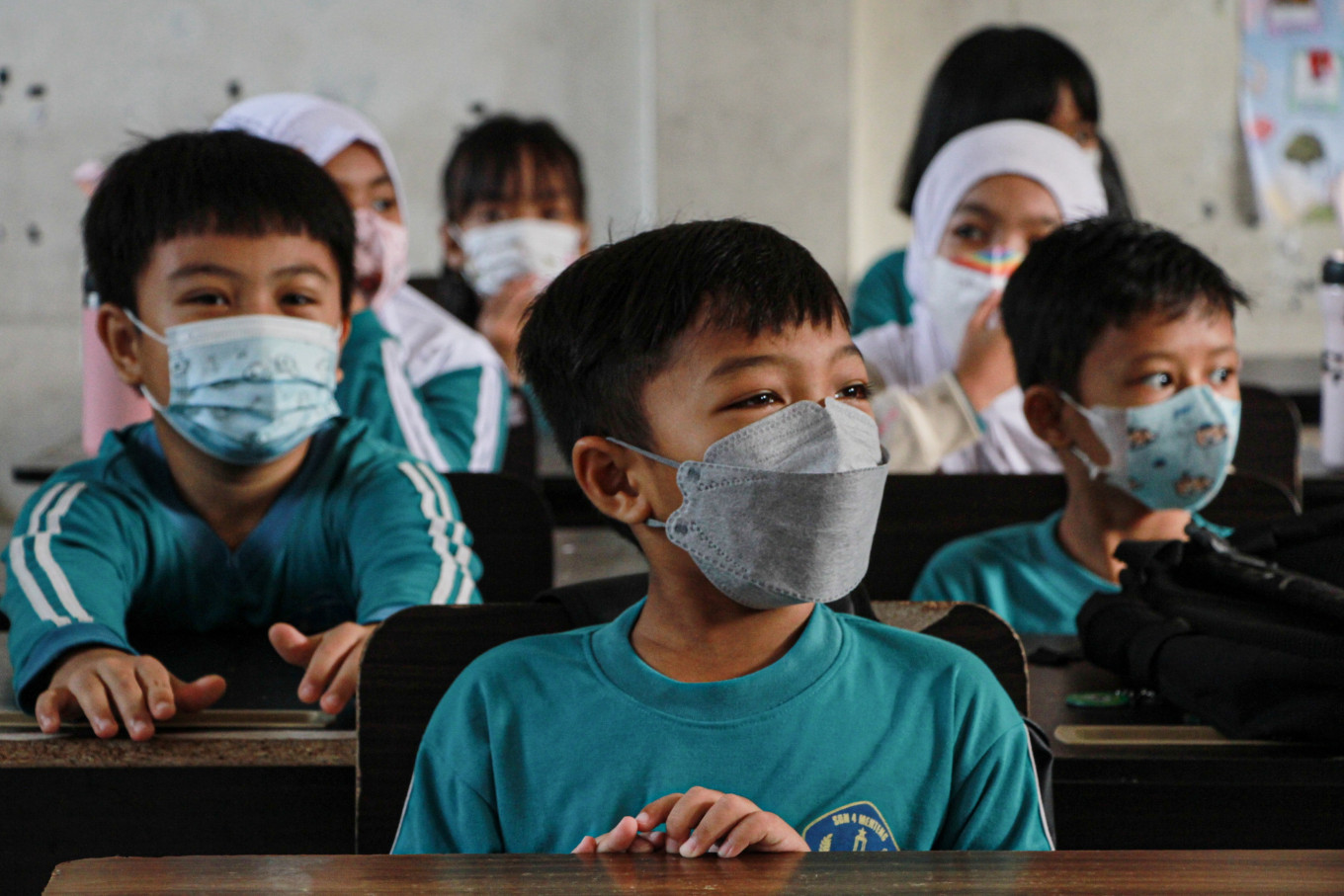 Students attend a class at a state elementary school in Palangka Raya, Central Kalimantan, on Aug. 21, 2026. The Palangka Raya Education Agency implemented measures for elementary and junior high school students, including delaying the start of classes to 8 a.m., temporarily suspending outdoor activities, requiring students to wear masks and implementing distance learning for early childhood education students due to haze from forest and land fires that had deteriorated air quality. (Antara/Auliya Rahman)
O
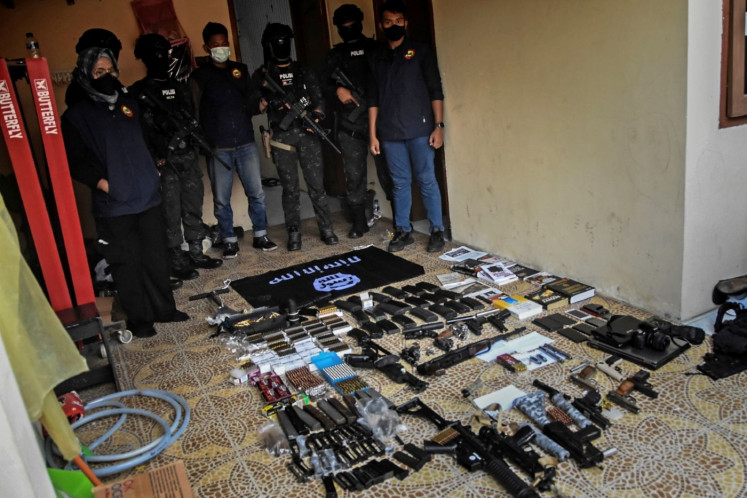
n Sept. 7, the National Police named 138 suspects across 200 forest and land fire cases, alongside ongoing investigations into eight corporations. Days earlier, the Forestry Ministry announced legal proceedings against 21 companies over fires that scorched more than 11,400 hectares across Sumatra and Kalimantan.
While these figures suggest action, for the millions breathing toxic air, prosecution is not the same as protection.
More than 1.4 million schoolchildren have been forced into remote learning, cross-border haze has triggered a state of emergency in Sarawak in neighboring Malaysia and emissions from Indonesia's wildfires reached the highest levels in the world this week.
This is no longer merely a story about forest fires or Indonesia’s bilateral ties with its neighbors. It is a fundamental test of governance, and of the state's duty to shield its people from preventable harm.
For decades, haze has been dismissed as an inevitable byproduct of dry weather, peatland fires and El Niño. While climate conditions matter, they do not dictate how land is cleared, whether regulations are enforced, or who profits. Those are human and political choices, and everyday citizens bear the consequences.
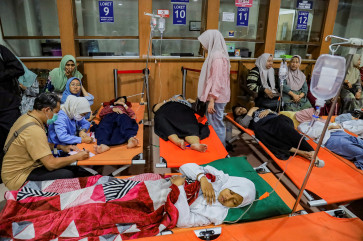
Children miss school, workers labor in unsafe conditions, families fall ill and rural and indigenous communities lose both their livelihoods and access to essential natural resources. This burden is profoundly unequal: Women often shoulder heavier caregiving demands, while pregnant women, children, the elderly and persons with disabilities face heightened health risks from severe air pollution.

Clean air is a human rights issue. Addressing it requires asking not only who suffers and who is most vulnerable, but also who created or profited from the risk, who failed to prevent it and what remedies exist for the victims. These questions must sit at the center of the haze debate.