The Jakarta Post
Please Update your browser
Your browser is out of date, and may not be compatible with our website. A list of the most popular web browsers can be found below.
Just click on the icons to get to the download page.


Popular Reads
Top Results
No results found. Please check your search term and try again
Can't find what you're looking for?
View all search results
Popular Reads
Top Results
No results found. Please check your search term and try again
Can't find what you're looking for?
View all search resultsFrom arsenic to acid: Impunity and the retreat of civilian supremacy
From the poisoning of Munir to an acid attack left unpunished, Indonesia’s military justice system reveals a chilling truth: impunity isn’t a breakdown of the law, but a calculated display of power.
Change text size
Gift Premium Articles
to Anyone
Share the best of The Jakarta Post with friends, family, or colleagues. As a subscriber, you can gift 3 to 5 articles each month that anyone can read—no subscription needed!
 Set as preferred source
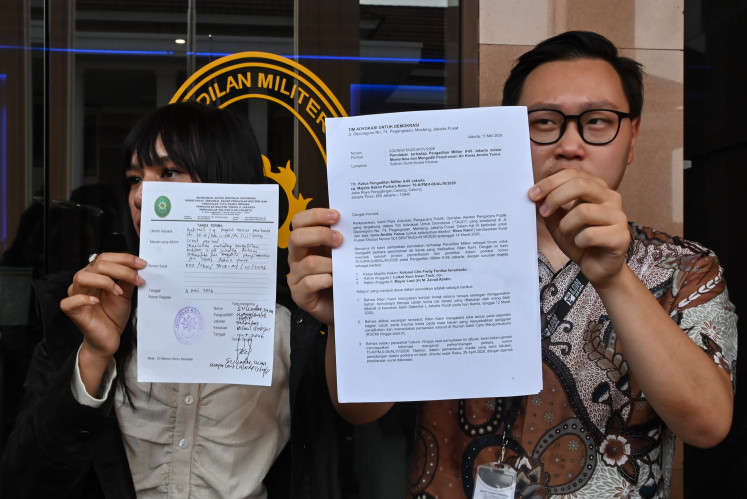
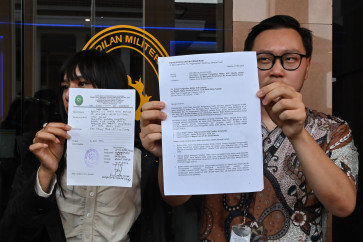
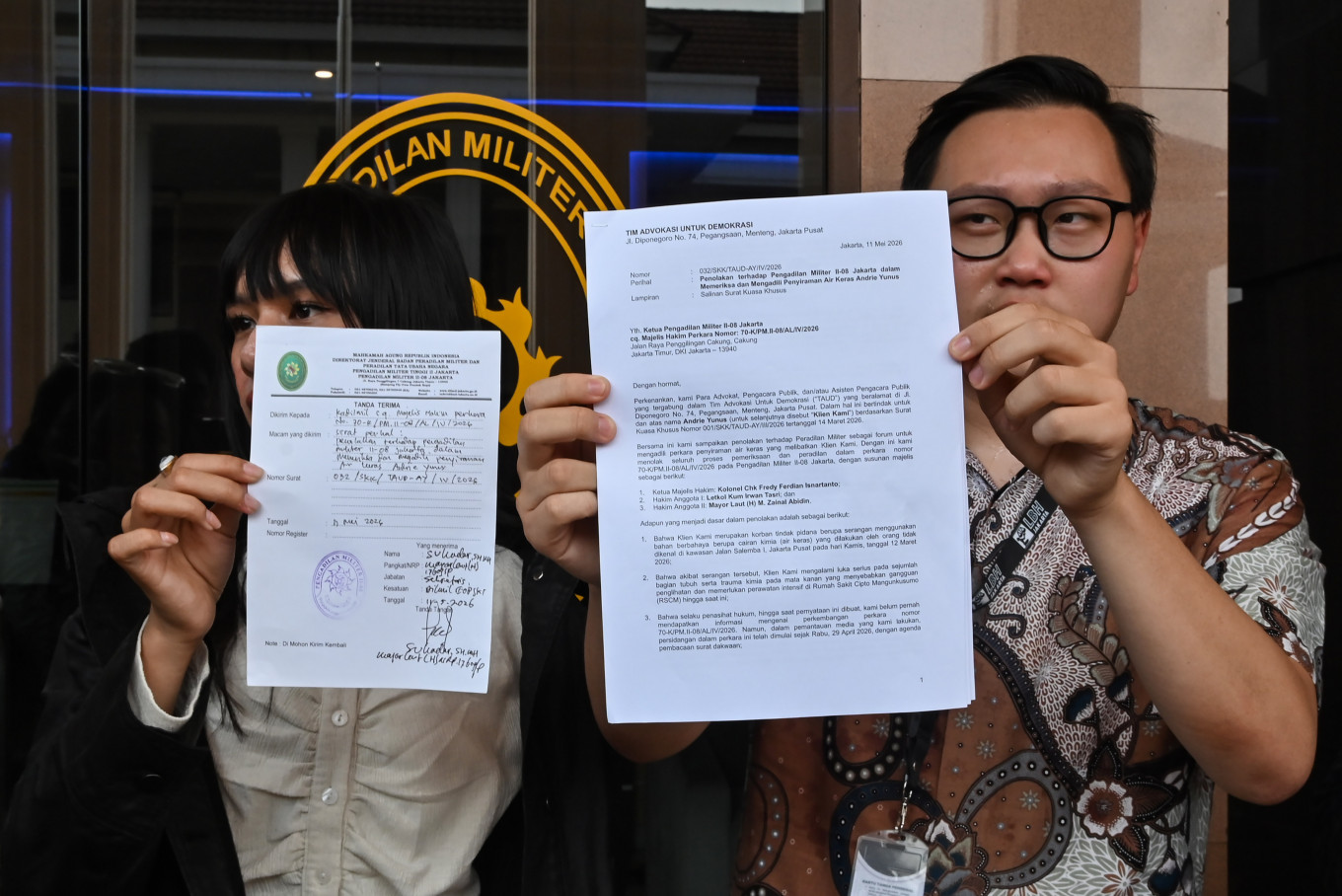 Fights for justice: Members of the Advocacy Team for Democracy (TAUD), legal counsel for Andrie Yunus of Kontras, display legal documents on May 11, 2026, stating their client’s rejection of attendance at the military trial scheduled to be held at the Jakarta Military Court II-08 on May 13. (Antara/Fakhri Hermansyah)
T
wo decades after arsenic ended the life of Munir Said Thalib, the acid attack on fellow human rights activist Andrie Yunus, and the military’s subsequent refusal to dismiss his attackers, proves an enduring truth: the machinery of impunity shielding those in power never truly disappears. Instead, it merely assumes a new guise behind the façade of judicial procedure.
On Sept. 7, 2004, Munir was assassinated aboard a Garuda Indonesia flight bound for Amsterdam. More than 20 years on, state prosecutions have stopped at the operational tier, leaving those who masterminded the assassination untouched.
Pollycarpus Budihari Priyanto, an off-duty Garuda pilot identified as the direct operative, was convicted of premeditated murder in 2005 and sentenced to 14 years in prison. But a year after, the Supreme Court overturned his murder conviction, reducing his sentence to two years for document forgery. While a judicial review initiated by the Attorney General’s Office subsequently increased his penalty to 20 years, a later petition by Pollycarpus shaved it back down to 14.
Yet the government never acted on the recommendations of the Fact-Finding Team (TPF) established in 2005. Officials later claimed the team’s final report had simply vanished, effectively burying its findings regarding the alleged complicity of senior intelligence officials.
Munir’s case exemplifies how the law paralyzes when crimes implicate powerful security institutions. While the legal process marches forward in form, the machinery of impunity hollows it out in substance.
The exact dynamic reemerged in the targeting of Andrie, an activist attacked with acid by Indonesian Military (TNI) intelligence personnel. Like Munir, Andrie worked with KontraS, the advocacy organization Munir helped establish.

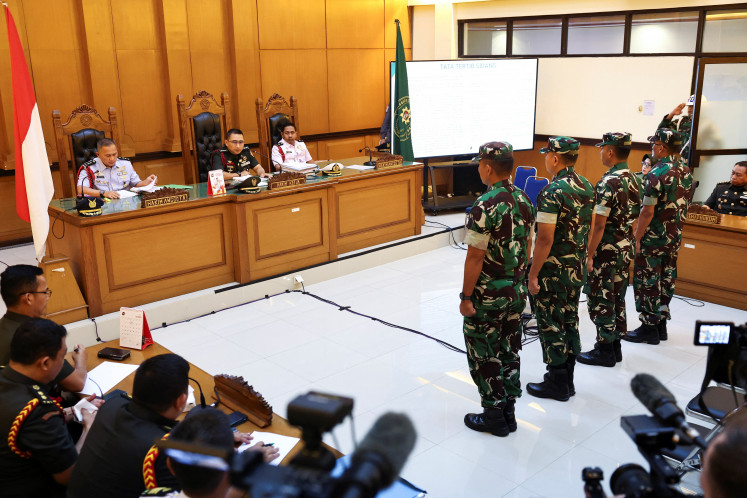
At the end of last month, Jakarta High Military Court II reduced the prison sentences of the two convicted soldiers, Chief Sgt. Edi Sudarko and First Lt. Budhi Hariyanto, and revoked their dishonorable discharges. The appellate panel argued that military punishment should not be purely retributive, but must offer a “rehabilitative dimension”. Deeming both men fit for active duty, the court ruled they should remain in service under continued institutional supervision.