The Jakarta Post
Please Update your browser
Your browser is out of date, and may not be compatible with our website. A list of the most popular web browsers can be found below.
Just click on the icons to get to the download page.


Popular Reads
Top Results
No results found. Please check your search term and try again
Can't find what you're looking for?
View all search results
Popular Reads
Top Results
No results found. Please check your search term and try again
Can't find what you're looking for?
View all search resultsAfter Gestapu monuments a Gestok memorial must follow
Indonesia’s monuments remember the generals slain in 1965, but true democratic strength lies in finally carving out stone for the hundreds of thousands murdered in the purge that followed.
Change text size
Gift Premium Articles
to Anyone
Share the best of The Jakarta Post with friends, family, or colleagues. As a subscriber, you can gift 3 to 5 articles each month that anyone can read—no subscription needed!
 Set as preferred source
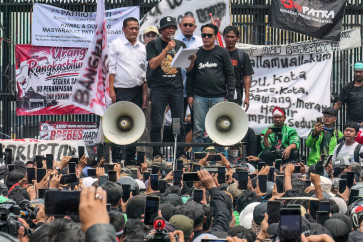
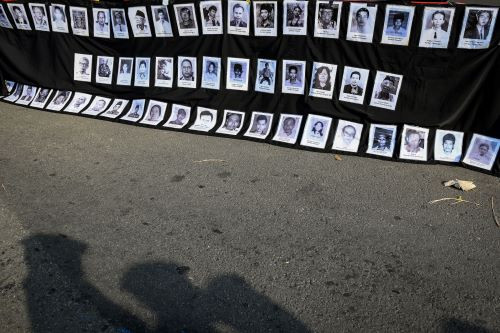
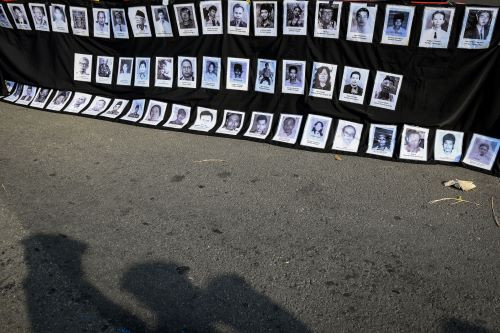 Resilient pursuit: Activists of the Justice for Victims Solidarity Network partake in the Kamisan (Thursday) rally on Sept. 19, 2024 in front of Merdeka Palace in Central Jakarta, to demand the settlement of past human rights violations, including the mass killings following the abortive coup on Sept. 30, 1965 that was blamed on the Indonesian Communist Party (PKI). (Antara/Sulthony Hasanuddin)
I
ndonesia’s public landscape tells a remarkably clear story about the events of 1965. At Lubang Buaya, the Pancasila Sakti Monument, the Sacred Pancasila Museum and the Museum of PKI Treachery, as well as the homes-turned museums of Generals Abdul Haris Nasution and Ahmad Yani commemorate the murder of six generals and one lieutenant during the September 30th Movement.
Across the country, other monuments repeat the New Order’s version of the same lesson: The Indonesian Communist Party (PKI) betrayed the nation, the military rescued it, and vigilance against communism remains a patriotic duty.
Indonesia has many monuments to Gestapu, the September 30 Movement conspiracy. What it does not have is a national monument to what the late president Sukarno called Gestok, the October First Movement, and what followed it.
Here, “Gestok” can assume a broader commemorative meaning. It can refer not simply to the confusing events of Oct. 1, 1965, but to the campaign of mass violence that soon engulfed the country.
Over the following months, soldiers, militias and civilian organizations killed hundreds of thousands of Indonesians. PKI was destroyed, but the victims extended far beyond its leadership. Members of Gerwani, the woman wing of PKI, trade unionists, teachers, artists, ethnic Chinese, left-wing intellectuals, land reform advocates and countless people accused through personal grudges were murdered, imprisoned, tortured, dismissed from their jobs or condemned to decades of official discrimination.
Their suffering remains invisible in Indonesia’s national commemorative landscape.

By no means would a Gestok monument require the demolition of existing Gestapu memorials. Nor would it require denying the very real and criminal deaths at Lubang Buaya or litigating historical disputes about the September 30th Movement.