The Jakarta Post
Please Update your browser
Your browser is out of date, and may not be compatible with our website. A list of the most popular web browsers can be found below.
Just click on the icons to get to the download page.


Popular Reads
Top Results
No results found. Please check your search term and try again
Can't find what you're looking for?
View all search results
Popular Reads
Top Results
No results found. Please check your search term and try again
Can't find what you're looking for?
View all search resultsSqueezed by debts and disasters, the Global South needs reparations, not more loans
As the IMF-World Bank meetings convene in Bangkok, frontline nations are calling for financial liberation from the debt traps and failed prescriptions of international financial institutions.
Change text size
Gift Premium Articles
to Anyone
Share the best of The Jakarta Post with friends, family, or colleagues. As a subscriber, you can gift 3 to 5 articles each month that anyone can read—no subscription needed!
 Set as preferred source
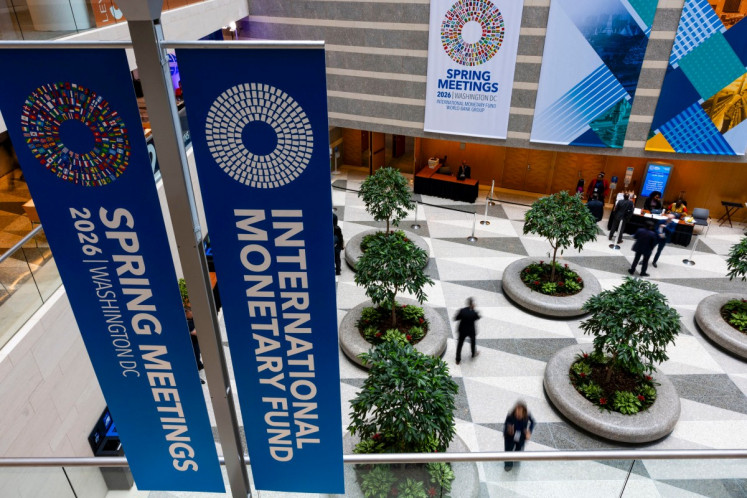
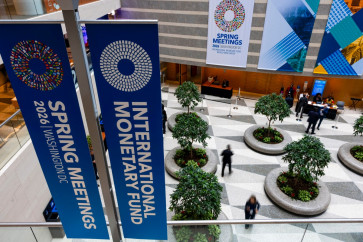
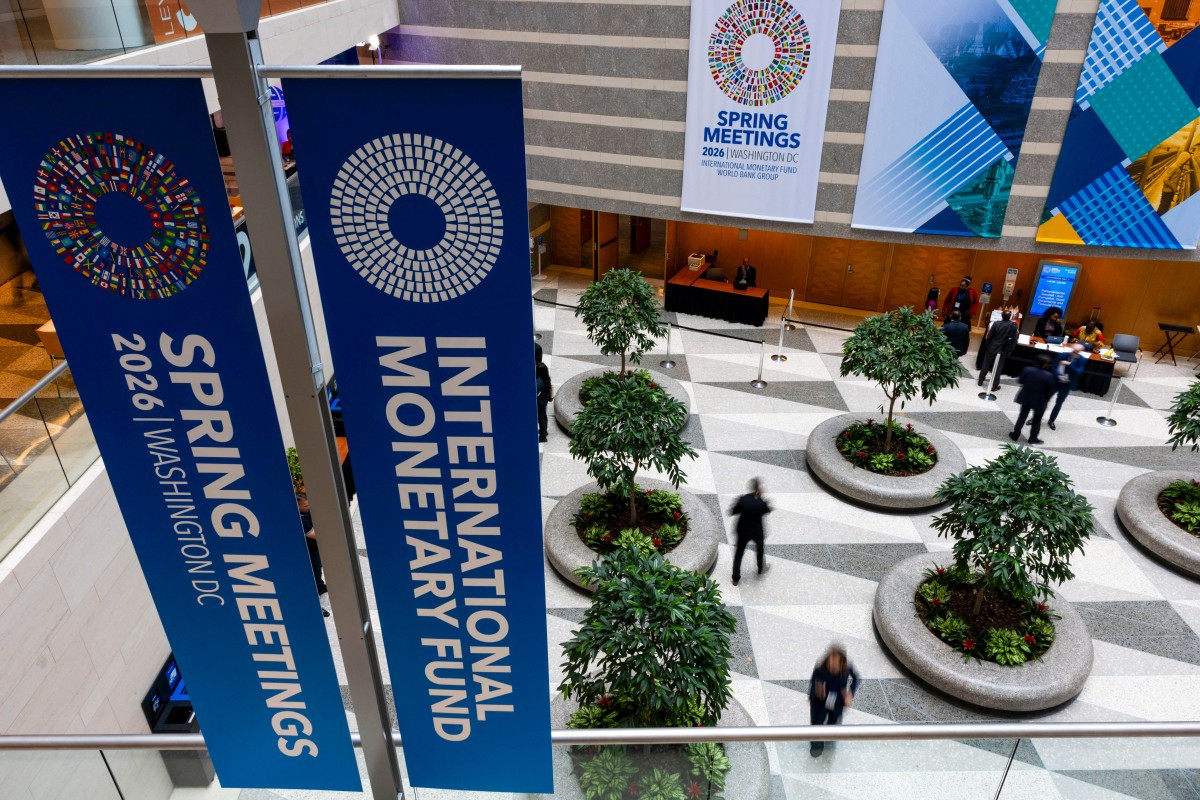 Banners decorate the International Monetary Fund (IMF) headquarters in Washington, DC, on April 13, the first day of the 2026 Spring Meetings of the IMF and the World Bank Group. (AFP/Kent Nishimura)
A
s Thailand tallies the wreckage of catastrophic floods, the architects of global finance are convening in its capital. Finance ministers, central bankers and delegates have arrived for the Annual Meetings of the International Monetary Fund and the World Bank Group this week. Yet as platitudes about fiscal discipline and macroeconomic resilience reverberate through the conference halls, the reality across the Global South is stark: These orthodox prescriptions are no longer merely detached from reality; they are actively lethal.
For decades, Washington Consensus dogma – forced austerity, aggressive deregulation and resource extraction – has straitjacketed developing economies. Today, the structural fallout of these policies collides head-on with accelerating climate collapse. Deadly deluges across Bangkok and Nepal, coupled with record-shattering heat waves across Asia, have claimed lives, submerged entire communities and obliterated critical infrastructure.
For indebted nations, every subsequent shock compounds the crisis, hollowing out the fiscal capacity to rebuild, adapt or maintain basic public services. The international financial architecture continues to treat debt servicing as sacrosanct and human survival as expendable. In effect, the communities least responsible for planetary heating are forced to underwrite its heaviest costs, denied any viable path toward resilience.
The empirical scale of this systemic trap is staggering. Today, 93.5 percent of the world’s most climate-vulnerable countries are trapped in or are on the precipice of debt distress. Rather than investing in public health, education or climate adaptation, these nations spend an average of 65 percent of domestic revenue servicing external and domestic creditors.
The most vulnerable states now direct nearly 25 times more capital toward debt payments than toward climate action. Across the Global South, an estimated US$8.8 trillion hemorrhages toward Northern creditors, dwarfing the meager $39 billion delivered in grant-based climate finance by a ratio of nearly 225 to 1.
The IMF, the World Bank and private bondholders actively entrench this vicious cycle. When catastrophe strikes, governments deplete scarce reserves on emergency response and are forced to borrow again to rebuild, accepting loan conditions rooted in austerity and export-led growth.

Servicing these liabilities requires hard currency, which in turn compels states to double down on fossil fuel extraction and industrial agribusiness, directly worsening the ecological breakdown that prompted the crisis. The injury is compounded when climate finance itself arrives as debt.