The Jakarta Post
Please Update your browser
Your browser is out of date, and may not be compatible with our website. A list of the most popular web browsers can be found below.
Just click on the icons to get to the download page.


Popular Reads
Top Results
No results found. Please check your search term and try again
Can't find what you're looking for?
View all search results
Popular Reads
Top Results
No results found. Please check your search term and try again
Can't find what you're looking for?
View all search resultsSafety reform first
Scapegoating train drivers and ferry captains will not save lives, only radical, systemic reform can protect the millions who rely on Indonesia’s most affordable transit.
Change text size
Gift Premium Articles
to Anyone
Share the best of The Jakarta Post with friends, family, or colleagues. As a subscriber, you can gift 3 to 5 articles each month that anyone can read—no subscription needed!
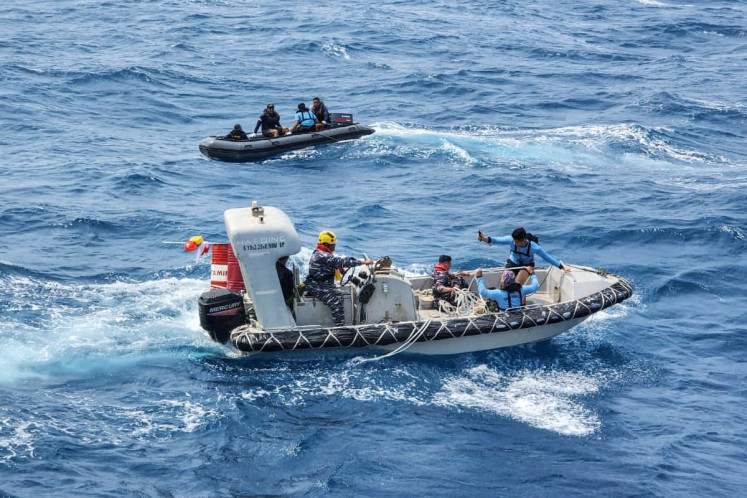
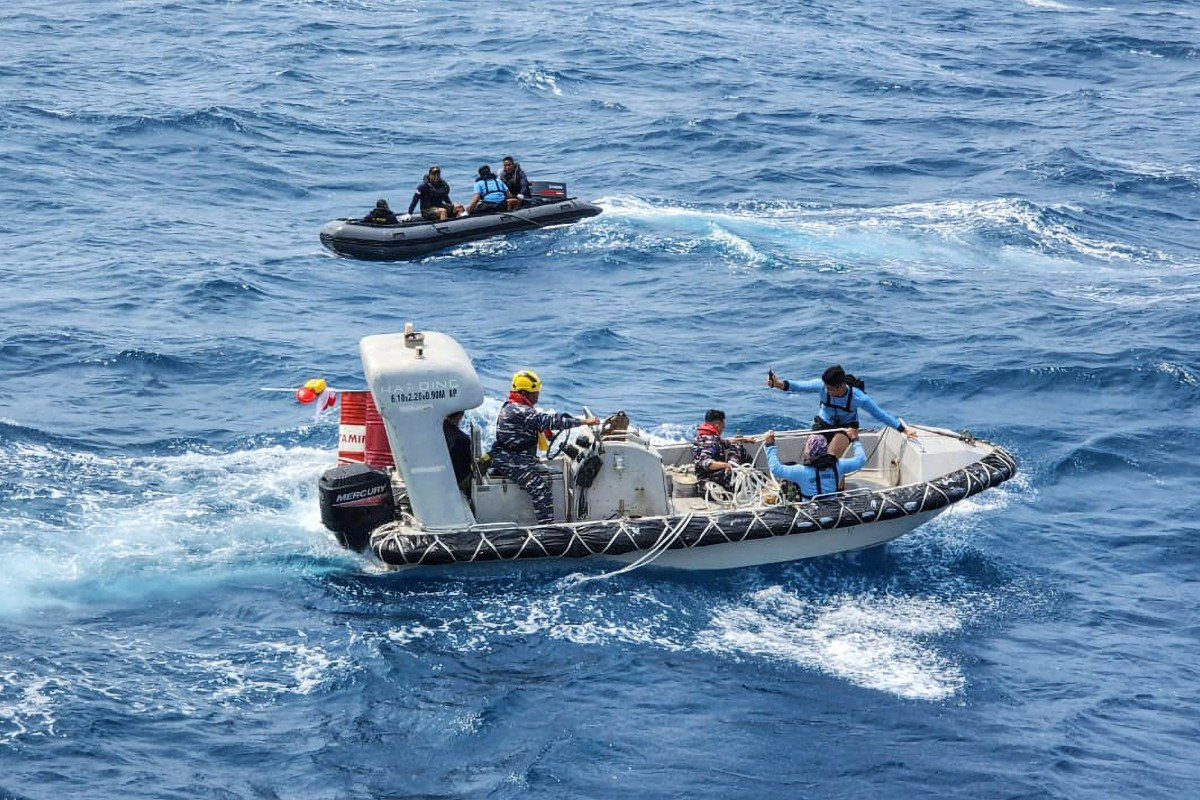 Navy personnel maneuver their boats on Sept. 17, 2026 directly above the Virgo Transport 8 passenger ship, which capsized in the Java Sea. The Virgo Transport 8 carried 213 passengers and 30 crew when it lost contact with its shipping company after departing from Surabaya, East Java, to Banjarmasin, South Kalimantan, on Sept. 13. (AFP/Handout/Indonesian Navy)
T
he National Transportation Safety Committee (KNKT) investigations into two recent train and ferry disasters offer a brutal reminder of the urgent need for structural safety reforms in mass transit.
One evening in April, an Argo Bromo Anggrek long-distance train slammed into the rear carriage of a stationary commuter train at Bekasi Timur Station on the outskirts of Jakarta, crushing the women-only carriage and killing 16 passengers. The tragedy unfolded minutes after the commuter train was forced to halt inside the station when an earlier train struck a stalled car on a nearby, unguarded level crossing.
Released in late September, the KNKT’s final report concluded that signaling failures and breakdowns in communication were the primary causes of the crash, failures that extend well beyond the actions of the locomotive engineer. Investigators also cited poor signal visibility caused by ambient light pollution and a damaged windshield. The driver, meanwhile, had never received emergency braking training for curved tracks.
Yet police have named the driver a suspect for criminal negligence resulting in death, accusing him of braking too late. The charge carries a prison sentence of up to 12 years.
Days later and hundreds of kilometers away, police arrested the captain and three executives of an operating company after a passenger ferry capsized in the Java Sea during rough weather. The vessel, the Virgo Transport 8, was carrying 243 people when it sank on Sept. 13 en route from Surabaya, East Java, to Banjarmasin in South Kalimantan. Rescuers pulled 108 survivors from the water, while 82 bodies have been recovered and search operations continue for those still missing.
While the KNKT has yet to conclude its inquiry into the sinking, maritime disasters remain frequent across the archipelago, driven by a chronic mix of lax enforcement and adverse weather. Between January and August alone, the National Search and Rescue Agency (Basarnas) launched operations for 601 maritime incidents, mostly involving people falling overboard, engine failures or lost communications.

Whenever disaster strikes, the authorities find it expedient to scapegoat frontline operators, the train drivers and ship captains. But an oversight framework that allows inadequately trained personnel onto the rails and permits unseaworthy vessels to leave port bears equal culpability. Real accountability demands systemic reform rather than scapegoating those at the controls.