The Jakarta Post
Please Update your browser
Your browser is out of date, and may not be compatible with our website. A list of the most popular web browsers can be found below.
Just click on the icons to get to the download page.


Popular Reads
Top Results
No results found. Please check your search term and try again
Can't find what you're looking for?
View all search results
Popular Reads
Top Results
No results found. Please check your search term and try again
Can't find what you're looking for?
View all search resultsTrump’s Russian diesel deal is a warning to Asia
By breaking ranks to cut a private fuel deal with Moscow, Washington just handed Asia an urgent lesson: Build your own energy reserves, or get priced out of the scramble.
Change text size
Gift Premium Articles
to Anyone
Share the best of The Jakarta Post with friends, family, or colleagues. As a subscriber, you can gift 3 to 5 articles each month that anyone can read—no subscription needed!
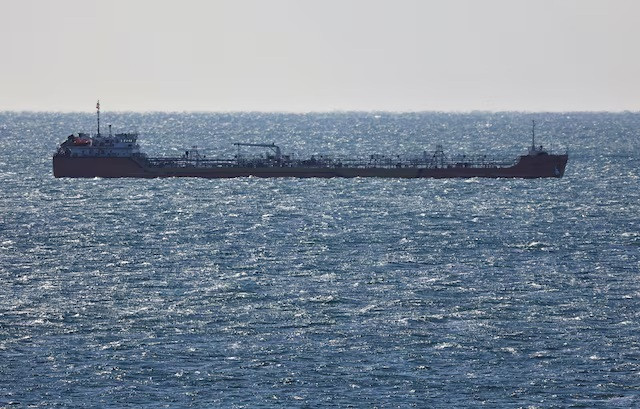
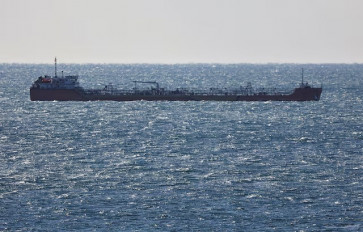
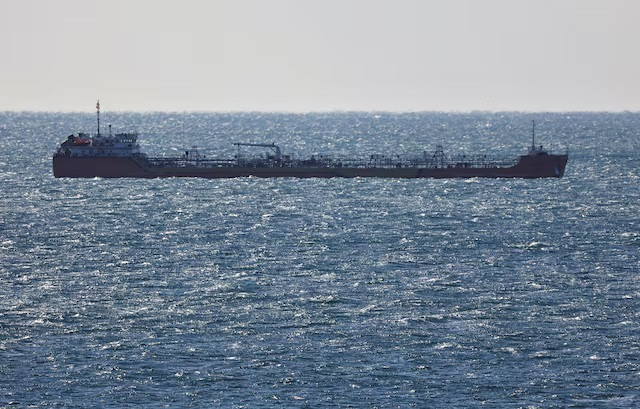 An oil tanker sails Nakhodka Bay on Dec. 4, 2022, near the Russian port city of Nakhodka. (Reuters/Tatiana Meel)
S
even days separated two incompatible answers to the same diesel shortage. On Oct. 2, Group of Seven (G7) leaders agreed to release 100 million barrels of crude and diesel through the International Energy Agency (IEA), with a substantial diesel tranche front-loaded into the first 20 days.
Yet on Oct. 9, following a phone call with President Vladimir Putin, United States President Donald Trump announced that Russia would immediately supply more than 300,000 metric tons of diesel, with another 4.5 million tonnes to follow in phases. The US Treasury issued General License 135 that very day, authorizing the purchase, delivery and import of Russian-origin diesel through April 7, 2027.
In Washington, the license is read as a maneuver ahead of the midterm elections on Nov. 3. In Kyiv, it is viewed as a capitulation to Moscow: Volodymyr Zelensky branded it a weak decision by strong partners.
Asia, however, should read it differently. The very government that corralled its allies into a multilateral release walked away from the coalition within a week to secure its own supplies from a sanctioned producer. The region most exposed to this crisis must draw an unvarnished conclusion: Regional fuel security cannot depend on collective frameworks that their most powerful architect treats as optional.
The exposure across Asia is acute. When IEA executive director Fatih Birol opened his crisis tour in Canberra in March, he placed the Asia-Pacific at the vanguard of the shock, largely because the region’s oil, fertilizer and helium transit the Strait of Hormuz.
The Iran war had already removed 11 million barrels per day from the global balance, and distillates have tightened further since: Ukrainian drone strikes forced Moscow to halt diesel exports from July 8, while China paused fuel exports over its Golden Week holiday before resuming shipments on Oct. 9 with an estimated 900,000 tonnes of gas oil earmarked for the month.

Diesel fuels the trucks, fishing fleets, tractors and backup generators that sustain daily commerce from Karachi to Manila.