The Jakarta Post
Please Update your browser
Your browser is out of date, and may not be compatible with our website. A list of the most popular web browsers can be found below.
Just click on the icons to get to the download page.


Popular Reads
Top Results
No results found. Please check your search term and try again
Can't find what you're looking for?
View all search results
Popular Reads
Top Results
No results found. Please check your search term and try again
Can't find what you're looking for?
View all search resultsIf haze can be predicted, learning loss can be prevented
Indonesia cannot stop climate disasters from arriving, but its schools must stop waiting for the smoke to clear before they start preparing.
Change text size
Gift Premium Articles
to Anyone
Share the best of The Jakarta Post with friends, family, or colleagues. As a subscriber, you can gift 3 to 5 articles each month that anyone can read—no subscription needed!
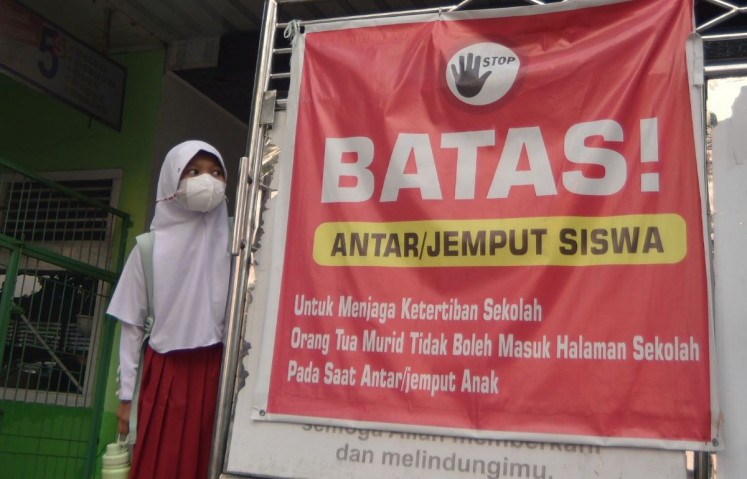
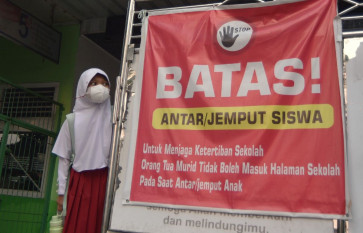
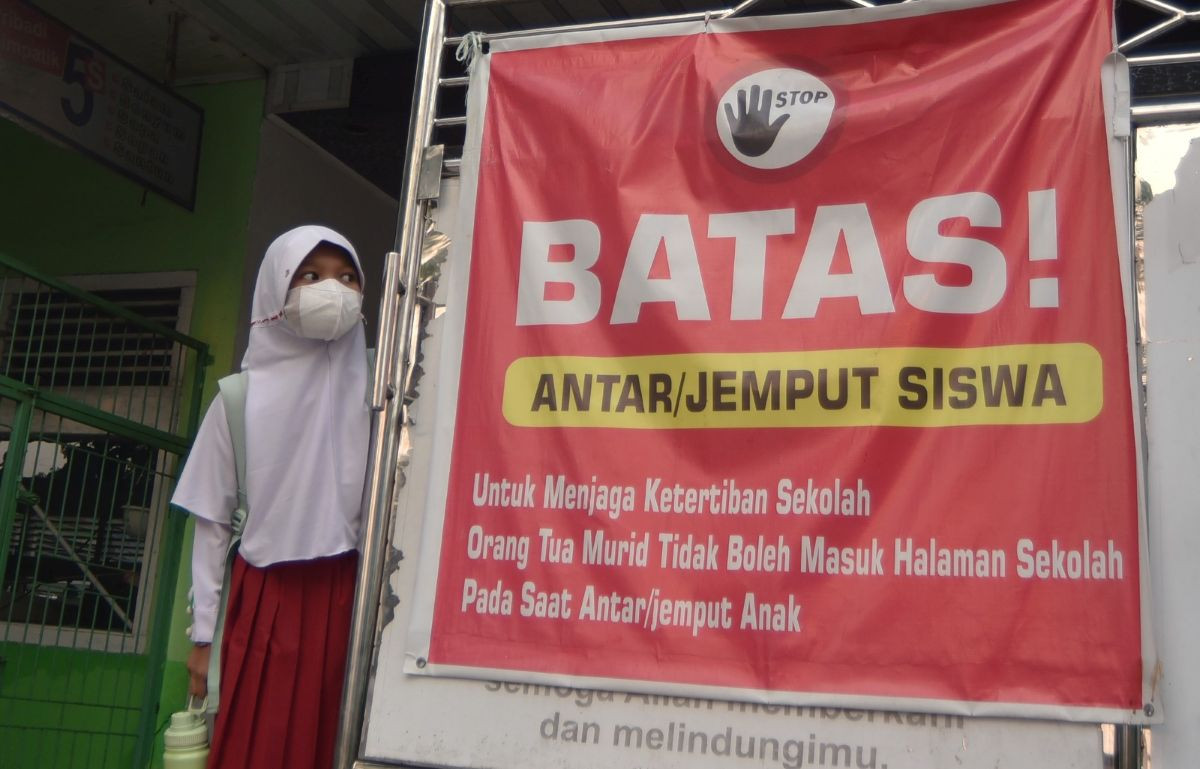 Murky schooling: A schoolgirl waits to be picked up on Sept. 16, 2026 next to a sign on drop-off/pickup rules at a school in Padang, after classes were let out early as West Sumatra’s provincial capital reinstated remote learning in response to a spike in the air pollutant standards index (ISPU) to 900 due to dense haze. (Antara/Fitra Yogi)
I
n early April, the Meteorology, Climatology, and Geophysical Agency (BMKG) informed a national coordination meeting on forest and land fires that this year’s dry season would arrive early and persist longer than usual, warning of a 50 to 80 percent probability that El Niño would develop in the second half of the year. By late July, El Niño had strengthened significantly, and satellites had detected roughly 4,900 hotspots across the archipelago.
Schools, however, reacted only after the smoke arrived, and remained disrupted for weeks. By Sept. 2, the Primary and Secondary Education Ministry reported that approximately 1.43 million students across 12,874 schools in six provinces were learning from home. Throughout September and October, municipal authorities in Sumatra and Kalimantan repeatedly extended closures.
Banjarmasin announced its third extension on Sept. 21 after the city’s air quality index reached 859, nearly thrice the hazardous threshold. Pekanbaru kept students from preschool through junior high at home until Oct. 10, while Padang Panjang in West Sumatra extended remote learning until Oct. 16.
These decisions were swift and well-intentioned. Yet they were reactions to the day’s air quality, rather than proactive measures aligned with a forecast issued months prior.
That gap between warning and action matters because the true cost of disrupted schooling extends far beyond the day classes resume. In a study published in the Economics of Education Review, Elghafiky Bimardhika and Lolita Moorena (2025) tracked children living near Mount Merapi using the Indonesian Family Life Survey. When the volcano erupted in late October 2010, schools as far as 120 kilometers away closed during the month-long ashfall and its aftermath.
Four years later, children in the affected regions were approximately nine percentage points less likely to remain enrolled compared to peers living near dormant volcanoes, a gap that widened over time. More students had dropped out to work, and they scored significantly lower on basic cognitive assessments.

The authors linked these deficits to chronic illness, permanent school damage, and a localized rise in child marriage. Among low-income households, enrollment fell by nearly 20 percentage points.