The Jakarta Post
Please Update your browser
Your browser is out of date, and may not be compatible with our website. A list of the most popular web browsers can be found below.
Just click on the icons to get to the download page.


Popular Reads
Top Results
No results found. Please check your search term and try again
Can't find what you're looking for?
View all search results
Popular Reads
Top Results
No results found. Please check your search term and try again
Can't find what you're looking for?
View all search resultsWiretapping scandal: Who else lives in the house of glass?
When the state's surveillance machine is turned against the ruling elite, state power is mobilized overnight, whereas the crises choking ordinary citizens are left to burn for months.
Change text size
Gift Premium Articles
to Anyone
Share the best of The Jakarta Post with friends, family, or colleagues. As a subscriber, you can gift 3 to 5 articles each month that anyone can read—no subscription needed!
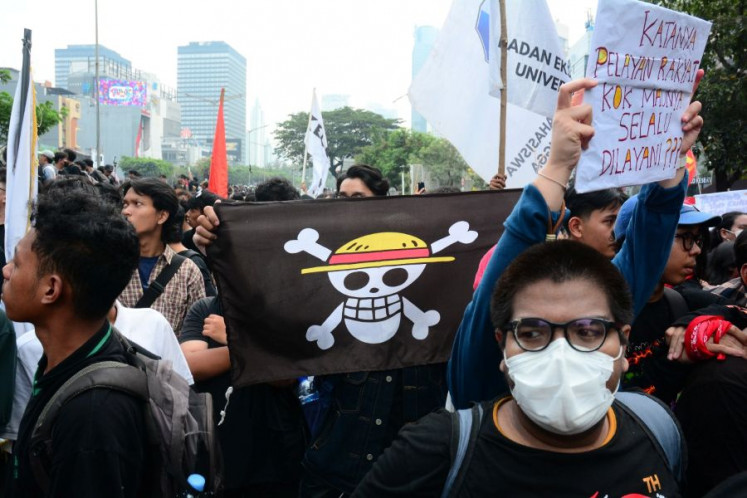
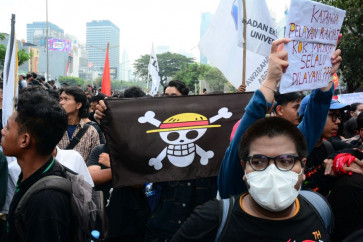
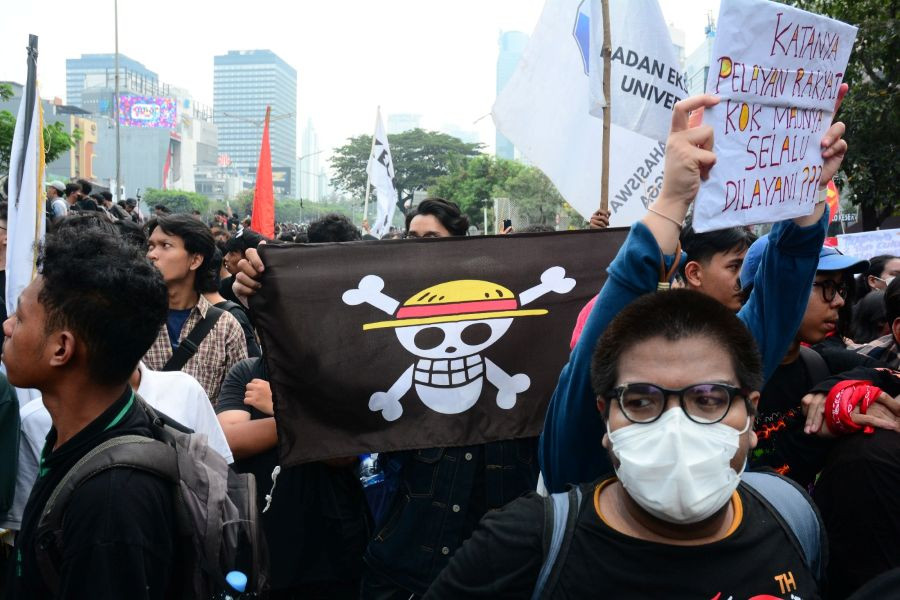 Unifying flag: A protestor holds a flag bearing the Straw Hat Pirates’ Jolly Roger from the Japanese manga and anime series One Piece during a demonstration on Jakarta’s thoroughfare Jl. MH Thamrin on Oct. 28, 2026. (JP/Iqro Rinaldi)
O
n Oct. 28, students gathered around the Hotel Indonesia traffic circle in Central Jakarta for Youth Pledge Day, putting the country’s suffocating forest fires at the top of their demands. They wanted accountability: a national disaster declaration for the blazes that had been tearing through peatlands since July and trials for the corporations responsible. Within a week, however, the national spotlight was hijacked by an entirely different kind of crisis.
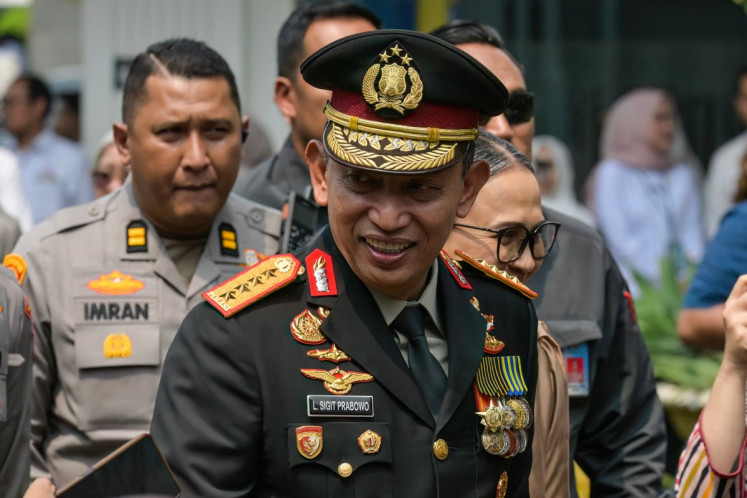
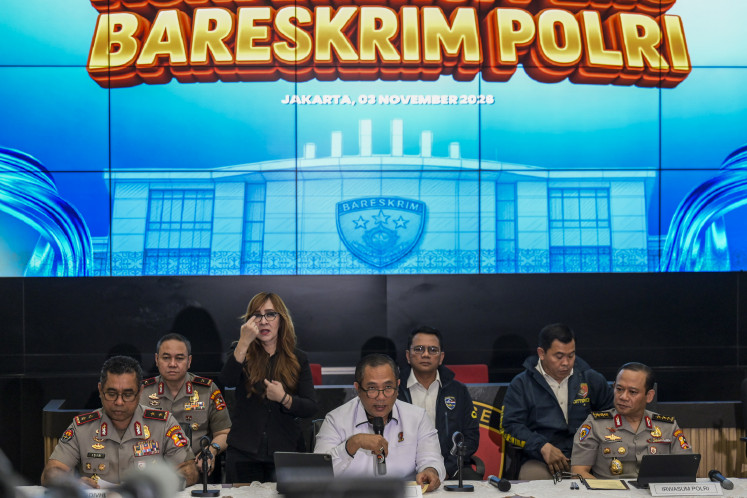
By Tuesday, police had named Presidential Chief of Staff Gen. Listyo Sigit Prabowo, the former police chief, alongside two other police generals as suspects in an illegal wiretapping operation. The targets of the wiretap were sweeping: President Prabowo Subianto himself, top officials, politicians, journalists, civil society leaders and business figures.
By Wednesday, the President had sacked Listyo. State Secretary Prasetyo Hadi floated a suggestion that the scheme might amount to makar (treason). Coordinating law minister Yusril Ihza Mahendra, who only hours earlier claimed investigators found zero evidence of treason, promptly changed tack on Thursday, conceding that the probe was indeed tilting that way.
Meanwhile, Human Rights Minister Natalius Pigai and the Alliance of Independent Journalists (AJI) sounded a different alarm: If even the head of state isn’t safe from illegal surveillance, what hope does an ordinary citizen have?
Both reactions keep the President squarely at the center of gravity, measuring everyone else’s baseline safety against his. To me, the whole saga plays out like a political soap opera, and it will likely do next to nothing for the students who marched on Oct. 28.
What the affair really exposed is just how fast the state apparatus can mobilize when it wants to. Between Monday and Wednesday, the Indonesian Military (TNI) deployed nearly 21,000 Navy personnel in Jakarta, three generals were arrested and the President’s chief of staff was shown the door.

The wildfires never received that kind of urgency. On Oct. 19, Coordinating Politics and Security Minister Dudung Abdurachman brushed off calls for a national disaster declaration, blithely insisting that “our country can still cope”.