The Jakarta Post
Please Update your browser
Your browser is out of date, and may not be compatible with our website. A list of the most popular web browsers can be found below.
Just click on the icons to get to the download page.


Popular Reads
Top Results
No results found. Please check your search term and try again
Can't find what you're looking for?
View all search results
Popular Reads
Top Results
No results found. Please check your search term and try again
Can't find what you're looking for?
View all search resultsAnalysis: Lemigas: Streamlining energy imports or shifting power?
Change text size
Gift Premium Articles
to Anyone
Share the best of The Jakarta Post with friends, family, or colleagues. As a subscriber, you can gift 3 to 5 articles each month that anyone can read—no subscription needed!
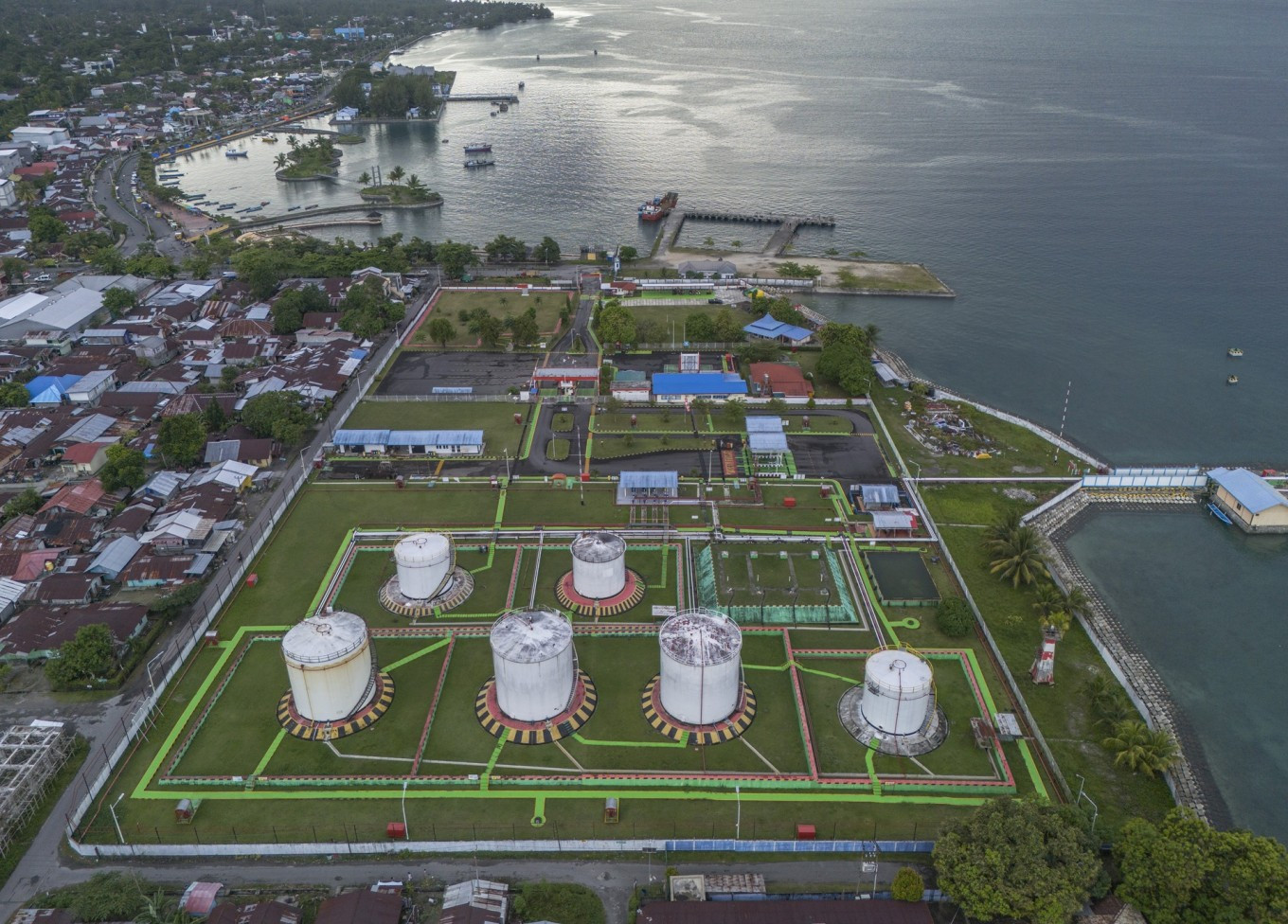 A fuel terminal owned by state-owned oil and gas company PT Pertamina functions normally on Dec. 8, 2025, in Masohi, Central Maluku regency, Maluku. The government will build more fuel storage to extend national fuel stock from 21 days to three months. (Antara/Andri Saputra)
T
he government plans to shift energy import procurement from Pertamina to the Oil and Gas Testing Center, or Lemigas, a public service agency (BLU) under the Energy and Mineral Resources Ministry. The move could reshape control over the country's lucrative energy trade. The government argues that direct negotiations with supplier countries will speed up procurement, eliminate intermediaries and secure supplies, but will the new arrangement bring greater transparency and a shorter supply chain or merely add another industry player?
Coordinating Downstream and Energy Transition Minister Bahlil Lahadalia, who is concurrently the energy minister, has cited Presidential Regulation (Perpres) No. 107/2026 as the basis for the change. Lemigas is to procure crude oil, fuel and liquefied petroleum gas through government-to-government (G2G) or government-to-business (G2B) agreements, then sell the supplies to Pertamina.
Pertamina president director Simon Aloysius Mantiri backs the policy. Bahlil has clarified that private importers will not be required to use Lemigas.
Pertamina's infrastructure remains essential for receiving, processing and distributing the imports. Purchasing decisions must therefore match refinery requirements, storage capacity and delivery schedules. Separating authority over contracts from responsibility for delivery makes coordination more important as negotiations become faster.
The same distinction between contractual changes and practical benefits applies to Bahlil's promise to eliminate "shell companies”. Intermediaries that provide financing, logistics or access to suppliers perform a different role from entities that merely add fees or conceal who benefits.
Removing a company from a contract does not eliminate its functions or the costs of replacing them. The real test is whether Lemigas can secure those services on better terms. Disclosing supplier identities, beneficial owners, selection criteria and third-party fees would make that assessment possible.

Financing illustrates why these underlying arrangements matter. Bahlil has said procurement will not draw on the state budget, without identifying an alternative source of funds. Yet these commitments leave payment obligations unexplained.



Your Opinion Matters
Share your experiences, suggestions, and any issues you've encountered on The Jakarta Post. We're here to listen.
Enter at least 30 characters
0
/ 30
Thank you
Thank you for sharing your thoughts. We appreciate your feedback.