TheJakartaPost
Please Update your browser
Your browser is out of date, and may not be compatible with our website. A list of the most popular web browsers can be found below.
Just click on the icons to get to the download page.


Popular Reads
Top Results
No results found. Please check your search term and try again
Can't find what you're looking for?
View all search results
Popular Reads
Top Results
No results found. Please check your search term and try again
Can't find what you're looking for?
View all search resultsHow COVID-19 impacts Indonesia’s trade
Prolonged lockdowns and fears about possible second and third waves of the virus have increased economic uncertainty. This will lower supply and demand around the world simultaneously.
Change text size
Gift Premium Articles
to Anyone
Share the best of The Jakarta Post with friends, family, or colleagues. As a subscriber, you can gift 3 to 5 articles each month that anyone can read—no subscription needed!
 Set as preferred source
P
revious crises – whether trade driven, financial or economic – teach us that such predicaments hit the demand side of the economy the hardest. But COVID-19 has shaken the world from both the demand and supply sides at the same time.
Prolonged lockdowns and fears about possible second and third waves of the virus have increased economic uncertainty. This will lower supply and demand around the world simultaneously. The WTO predicts that the global merchandise trade will decline by between 13 and 32 percent this year.
World economic growth is expected to shrink by 3 percent. Developed economies are expected to experience a contraction of 6.1 percent, and developing economies are expected to grow a mere 1 percent on average in 2020. The economies of Germany, the US and Japan are expected to plummet by 7 percent, 5.9 percent and 5.2 percent respectively. Meanwhile, China and India are expected to grow between 1.2 and 1.9 percent.
In the best-case scenario, the Indonesian economy will grow 0.5 percent in 2020. In the first quarter of this year, the economy recorded 2.97 percent growth. However, in the second quarter, a 3.1 percent slump has been predicted. The good news for the Indonesian economy at the moment is that the capitalization of the financial sector is still solid. In May, the nation’s international reserves were US$130.54 billion (about 8.3 months of imports).
Indonesia’s domestic and foreign trade, however, need special attention.
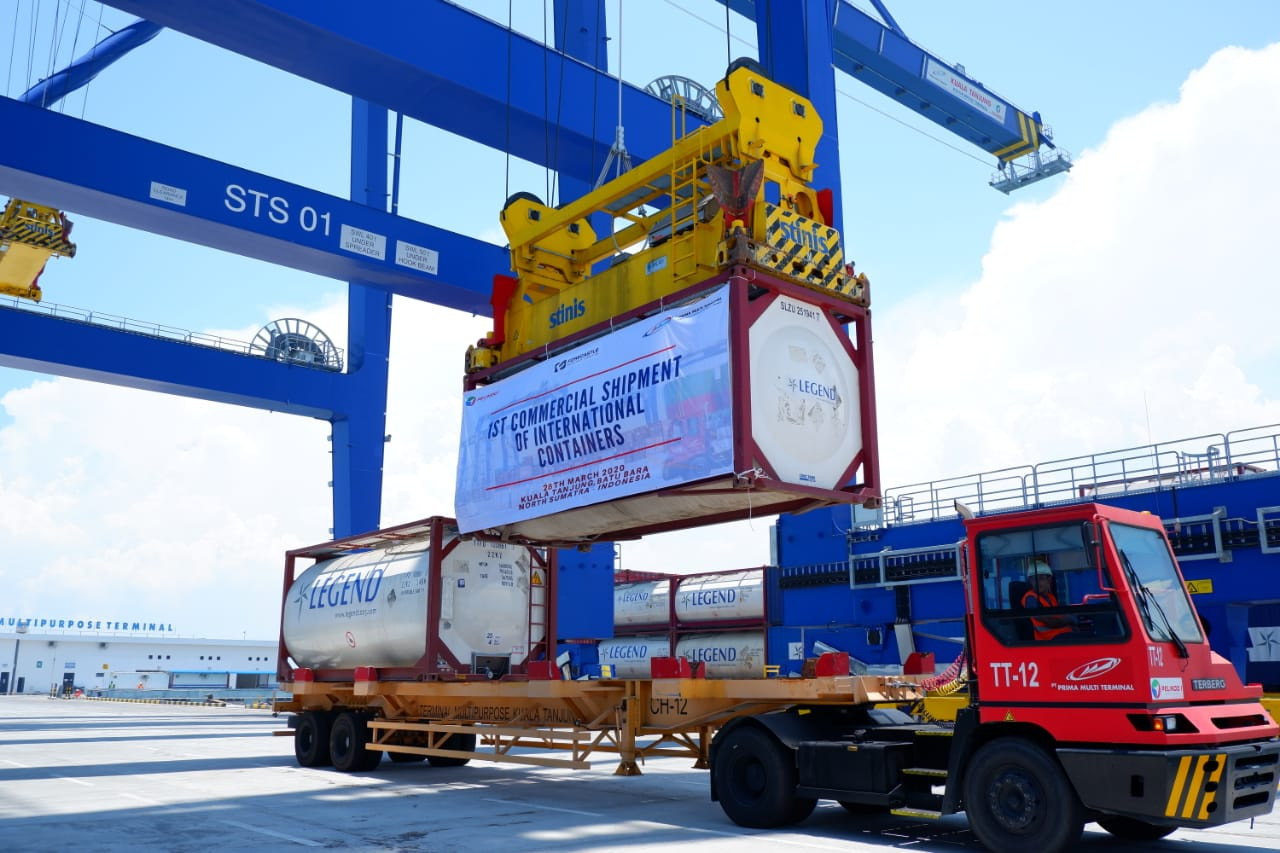
With regard to foreign trade, it was outside the expectation of the market that Indonesia would record a trade surplus. In May 2020, total exports were $10.53 billion and total imports were $8.44 billion. Hence, Indonesia recorded a trade surplus of $2.09 billion, putting the cumulative surplus at $4.31 billion in the first five months of the year. The trade surplus raises a serious question.
Indonesia’s trade surplus was a result of a sharp decline in imports rather than an increase in exports. Under global lockdowns, it can be expected that imports of aircraft parts and components, boats and yachts, high-end beverages and spirits and silk and luxury goods will drop significantly. This will lower Indonesia’s imports.