The Jakarta Post
Please Update your browser
Your browser is out of date, and may not be compatible with our website. A list of the most popular web browsers can be found below.
Just click on the icons to get to the download page.


Popular Reads
Top Results
No results found. Please check your search term and try again
Can't find what you're looking for?
View all search results
Popular Reads
Top Results
No results found. Please check your search term and try again
Can't find what you're looking for?
View all search resultsMalaysia’s 2021 budget passed: Muhyiddin lives to fight another day
Now, as before, Muhyiddin must spend as much time repairing fissures within the coalition, as parrying attacks from the opposition.
Change text size
Gift Premium Articles
to Anyone
Share the best of The Jakarta Post with friends, family, or colleagues. As a subscriber, you can gift 3 to 5 articles each month that anyone can read—no subscription needed!
 Set as preferred source

A
gainst all expectations, Malaysia’s Parliament passed the country’s 2021 budget on the second reading. Following Finance Minister Tengku Zafrul Aziz’s speech to conclude the debate on the budget, Parliamentary Speaker Azhar Harun called for a voice vote. In such a vote, a measure is approved or rejected by MPs calling out their support or disapproval.
The Speaker was satisfied that there were more MPs in favor of the budget and announced that it had passed its second reading. Such a modality poses a lower bar than a bloc vote, where the number of parliamentarians for or against a measure are counted.
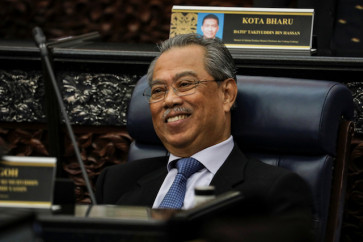
While the budget still has to pass a third and final reading scheduled for Dec. 15, this latest development brings Prime Minister Muhyiddin Yassin’s Perikatan Nasional (PN) administration a step closer to pushing the budget through.
The stakes for Muhyiddin are high. First, at RM322.5 billion, the 2021 budget is Malaysia’s largest ever, and is the centerpiece of his administration’s Covid-19 response. In line with Malaysia’s Westminster tradition, a rejection of the bill would have been tantamount to a loss of confidence in Muhyiddin’s administration. Had the budget bill been defeated, he would have had to resign or request the King to dissolve parliament and call for fresh elections.
At present, the PN administration has the slimmest of majorities. It has 112 in its ranks, against the opposition’s 108. It would only have taken a few no-shows or displays of dissent from government MPs to block the budget and topple the PN government. The previous debates around the structure and content of the budget also showed that there was dissension, both within PN and from across the floor. Sensing Muhyiddin’s vulnerability, a number of aspiring leaders saw blood in the water and sought to capitalize on this. Yet, conscious of the King’s appeal to parliamentarians to unite to pass the budget, they did not want to appear too eager to tip the apple-cart.
While all ministers and deputy ministers within the PN coalition supported the budget regardless of their party affiliation, there were criticisms of the budget from both sides of the floor. In a refreshing change of tone, the debates were technical and centerd on policy matters such as the ability of the public to access funds in their retirement accounts, the tenure and extent of loan moratoria, and the budget for a government agency tasked with communication and outreach.
That said, much of the differences over the form and content of the budget were a reflection of deeper-seated divisions.