The Jakarta Post
Please Update your browser
Your browser is out of date, and may not be compatible with our website. A list of the most popular web browsers can be found below.
Just click on the icons to get to the download page.


Popular Reads
Top Results
No results found. Please check your search term and try again
Can't find what you're looking for?
View all search results
Popular Reads
Top Results
No results found. Please check your search term and try again
Can't find what you're looking for?
View all search results[INSIGHT] Women and youth targets of COVID-19 authoritarianism in SE Asia
Women and youth have become targets as Southeast Asian governments exploit COVID-19 induced state of emergency and temporary laws to prosecute them for their political activities.
Change text size
Gift Premium Articles
to Anyone
Share the best of The Jakarta Post with friends, family, or colleagues. As a subscriber, you can gift 3 to 5 articles each month that anyone can read—no subscription needed!
 Set as preferred source
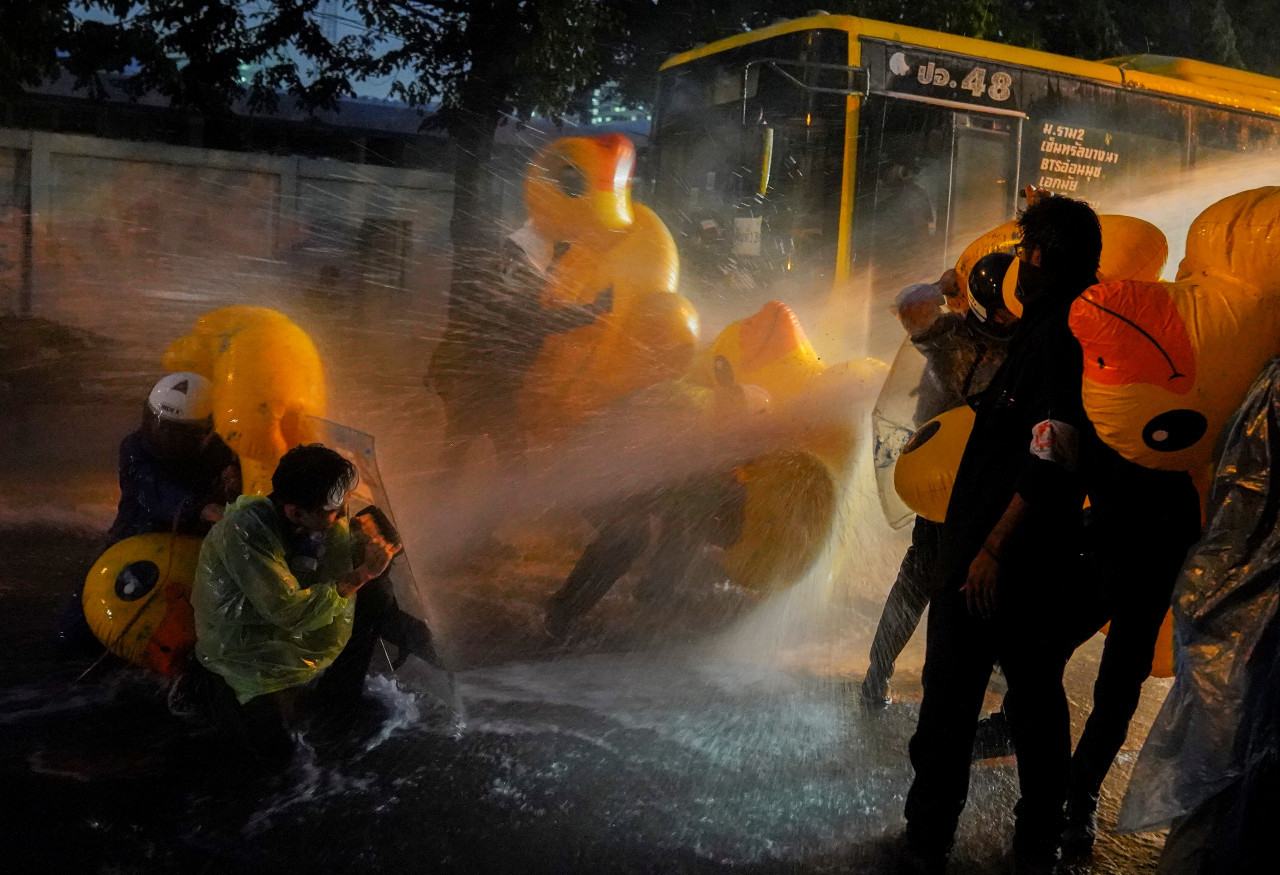
Women and youth have become targets as Southeast Asian governments exploit COVID-19 induced state of emergency and temporary laws to prosecute them for their political activities.
This emerging phenomenon is examined in Asia Centre’s second baseline study “COVID-19 and Democracy in Southeast Asia: Building Resilience, Fighting Authoritarianism”, released to mark the United Nations International Human Rights Day, Dec. 10.
The 54-page report, compiled from July to November 2020, examines the state of democracy and human rights in the region between Jan. 1 and Nov. 30. It encompasses a review of over 200 reports, articles and case studies, examined by the key words and data presented.
COVID-19 has not only accelerated democracy’s regression in the region, but the pandemic has also made women and young activists victims of human rights violations. This is on account of the increasing participation of women and youth in anti-government demonstrations which have been underway in Indonesia, Thailand, the Philippines and Malaysia.
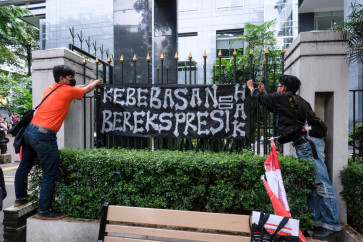
Protests against governments, civil disobedience of COVID-19 laws and policies, in Southeast Asia continue to intensify despite the criminal repercussions placed on peaceful protests. Often, women are at the forefront of these demonstrations which are marking a generational change.
In Indonesia, despite requests from labor unions to halt the passing of the largely contested labor bill, the government relaxed multiple labor and environmental laws to pass the controversial omnibus job creation law. Protests, underway since February 2020, have led to the arrests of nearly 6,000 individuals, thousands of which are university students from 26 universities. Videlya Esmerella, one of many, was arrested in October for tweeting “false information” about the omnibus bill, but was later released for lack of substantial evidence.