The Jakarta Post
Please Update your browser
Your browser is out of date, and may not be compatible with our website. A list of the most popular web browsers can be found below.
Just click on the icons to get to the download page.


Popular Reads
Top Results
No results found. Please check your search term and try again
Can't find what you're looking for?
View all search results
Popular Reads
Top Results
No results found. Please check your search term and try again
Can't find what you're looking for?
View all search results[INSIGHT] Compassion fatigue: COVID-19 ticking time bomb
The World Health Organization has described what has turned out to be a global phenomenon: pandemic fatigue.
Change text size
Gift Premium Articles
to Anyone
Share the best of The Jakarta Post with friends, family, or colleagues. As a subscriber, you can gift 3 to 5 articles each month that anyone can read—no subscription needed!
 Set as preferred source
T
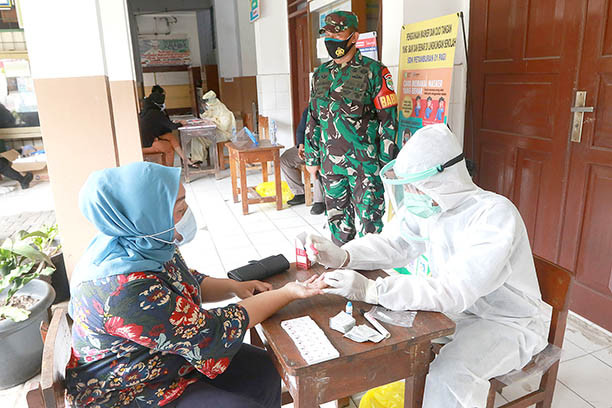
he fact that Indonesia’s latest daily COVID-19 record (8,369 new cases on Dec. 3) comes as no surprise to many people is a bitter pill to swallow. The national COVID-19 task force said a lag in data synchronization was the main cause of the surge. However, setting the data collection issue aside, the staggering number alone is a poignant signal about the COVID-19 crisis in the country.
Looking back at the ubiquitous violations of health protocols during regional election campaigns and long-weekend holidays and at the recent crowded gatherings to welcome Islam Defenders Front (FPI) leader Rizieq Shihab back to Indonesia, it seems like it will not be long until we see another record broken.
Recent data shows that the COVID-19 case surge has been accompanied by a rise in health protocol violations. The COVID-19 task force has said that only 9 percent of the 512 regencies and municipalities in the country are complying with the mask-wearing rule, and barely 4 percent are complying satisfactorily with the physical distancing rule.
The World Health Organization has described what has turned out to be a global phenomenon: pandemic fatigue. This is a natural response to the prolonged nature of the crisis and the associated inconveniences and hardships. If left unaddressed, this seemingly natural coping mechanism will almost certainly threaten our control over COVID-19 transmission.
From the communication perspective, relentless information and the news cycle in the digital sphere have exacerbated pandemic fatigue. The phenomenon of information glut and the erosion of audiences’ emotional response was raised by journalist and scholar Susan Moeller long before the COVID-19 pandemic hit under a slightly different name: compassion fatigue.
In a nutshell, Moeller contends that when war, famine or even pandemics are constant, they become boring. This causes media to seek more dramatic, sensational or even violent content to draw in and retain audiences.
In addition, Charles Figley, a renowned psychologist and traumatic stress researcher, notes that numbness is brought about by a sense of hopelessness about our inability to solve a problem or to take control of an issue.