The Jakarta Post
Please Update your browser
Your browser is out of date, and may not be compatible with our website. A list of the most popular web browsers can be found below.
Just click on the icons to get to the download page.


Popular Reads
Top Results
No results found. Please check your search term and try again
Can't find what you're looking for?
View all search results
Popular Reads
Top Results
No results found. Please check your search term and try again
Can't find what you're looking for?
View all search results[INSIGHT Urgent need to tackle youth unemployment in COVID-19 pandemic
Change text size
Gift Premium Articles
to Anyone
Share the best of The Jakarta Post with friends, family, or colleagues. As a subscriber, you can gift 3 to 5 articles each month that anyone can read—no subscription needed!
 Set as preferred source
T
he year is coming to an end, but we still see no end to the COVID-19 pandemic despite some recent good news about vaccines. According to Gadjah Mada University researchers, this pandemic might last until early 2022 in Indonesia.
This obviously calls for more attention to fighting the pandemic, while at the same time calling for a more serious effort to help citizens navigate it safely. This is so, especially, in case of youth, who are facing the risk of unemployment, as economic challenges continue to take a toll within the country.
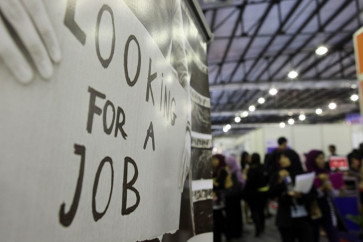
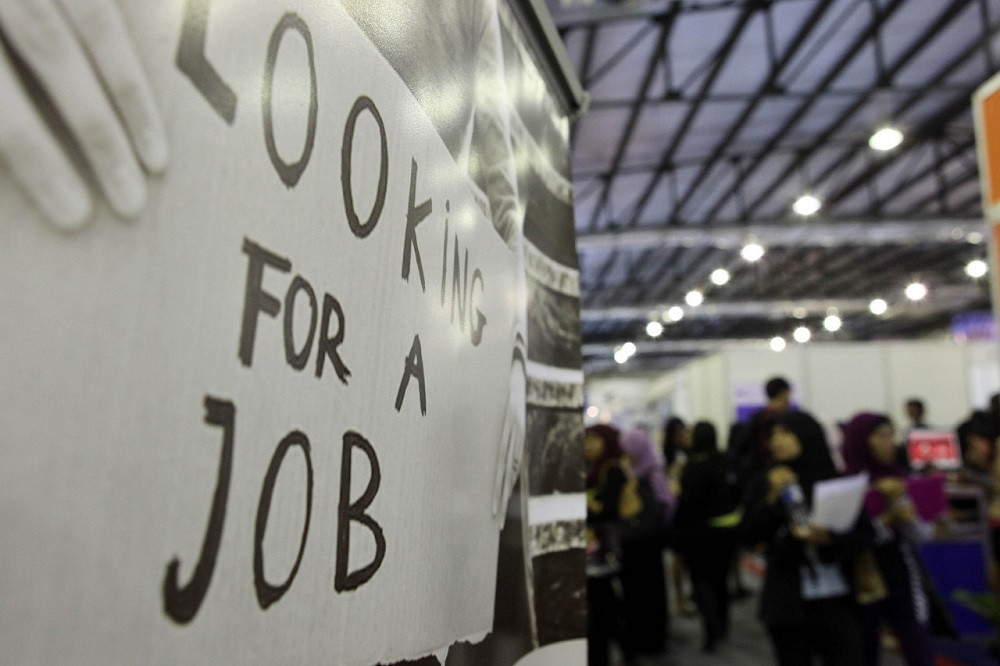
According to Statistics Indonesia (BPS), the Indonesian youth unemployment rate before the COVID-19 pandemic was already at 13.03 percent. In other words, about 40 percent of all unemployed people in the country were young people. The number is predicted to increase during the pandemic, especially as the hospitality and retail sectors-- two sectors which employ most of the youth in the labor force -- are heavily affected. This has, in turn, created an even more restricted and highly competitive job market for young people.
Given these conditions, it is no wonder that youth are under a great deal of stress. In a recent youth-led study presentation supported by the United Nations Population Fund, it was reported that the COVID-19 pandemic has impacted young people’s mental health and wellbeing, leaving them feeling isolated, easily angered, or even paranoid. This is especially prevalent among people within the age group of 19 to 24 years.
This situation calls for our urgent attention to ensure the basic rights fulfillment for the youth. As stated in Article 23 of the Universal Declaration on Human Rights, everyone has the right to work, to free choice of employment, to just and favorable conditions of work, and to protection against unemployment. This also applies to the young workers in Indonesia, who equally own the right to live a decent life.
We will need to assist these young people to realize these basic rights to employment for the duration of the COVID-19 pandemic and beyond. Efforts to support these youth will contribute to sustaining the income of one-fourth of Indonesia's population (around 65 million), which may help buffer the overall economic impact of the pandemic.
While the task may be arduous, there are reasons to be optimistic. While some sectors of the economy are seeing a downturn, others are growing during the pandemic, such as e-commerce and information and communication technology (ICT).