The Jakarta Post
Please Update your browser
Your browser is out of date, and may not be compatible with our website. A list of the most popular web browsers can be found below.
Just click on the icons to get to the download page.


Popular Reads
Top Results
No results found. Please check your search term and try again
Can't find what you're looking for?
View all search results
Popular Reads
Top Results
No results found. Please check your search term and try again
Can't find what you're looking for?
View all search resultsEmpowering the many faces of micro and small enterprises
The limited access to assets and capital commonly found among MSEs in general, is further exacerbated by gender-specific attributes.
Change text size
Gift Premium Articles
to Anyone
Share the best of The Jakarta Post with friends, family, or colleagues. As a subscriber, you can gift 3 to 5 articles each month that anyone can read—no subscription needed!
 Set as preferred source
G
overnment support for micro and small businesses (MSEs) both prior to and during the COVID-19 pandemic, has taken various forms, including cash transfers, tax incentives and low-interest loans, but these have mostly proven to be ineffective because of poor targeting caused by outdated databases that fail to recognize the diversity of MSEs.
Considering the large pool of MSEs as a uniform group with similar characteristics and needs remains a common fallacy and one of the main barriers to providing well-targeted and well-tailored effective interventions.
By motivational drive alone, MSEs can be differentiated into at least two groups. First, are the opportunity- driven entrepreneurs who aim to seize market opportunity and accumulate capital through business expansions. This group typically has a growth-oriented mindset in entrepreneurship and will benefit from entrepreneurial support programs.
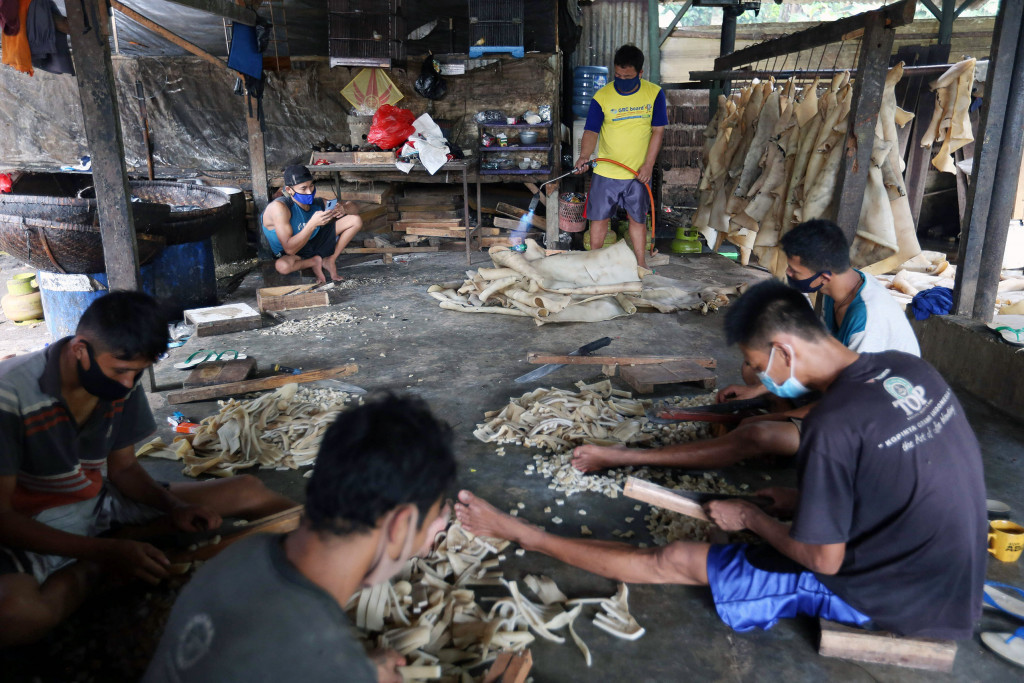
The second group are the necessity-motivated entrepreneurs who engage in business out of a lack of employment alternatives. Small kiosks or warung owners, for example, often opt for informal entrepreneurship merely to make ends meet due to limited options in the formal job market. This group is unlikely to expand their business or shift into a more profitable sector. As a corollary, they tend to be a stranger to innovations and remain micro in size.
For these necessity-driven businesses, well-designed poverty reduction programs are the best option for addressing the low productivity in the sector. For example, the low level of education and limited asset ownership that characterize this group, are cross-sectoral issues that would require reforms in education and in other socioeconomic segments. The majority of entrepreneurs in this group also operate informally, meaning that they are unregistered and do not usually hold a business license.
From this alone, one can already question the impact of the Finance Ministry’s six-month tax relief program for MSEs during the first COVID-19 wave last year. While this may profit the opportunity-driven businesses, informal necessity-driven businesses with below-subsistence level earnings are unlikely to benefit from this.
A similar case is the latest budget reallocation in the National Economic Recovery program. When supporting funds for MSEs are reduced from Rp 193 trillion (USS9.9 billion) to Rp 171 trillion to increase business incentives from Rp 56 trillion to Rp 62 trillion, opportunity-driven businesses are set to gain more than the necessity-driven entrepreneurs.







to Read Full Story
- Unlimited access to our web and app content
- e-Post daily digital newspaper
- No advertisements, no interruptions
- Privileged access to our events and programs
- Subscription to our newsletters
or
Purchase access to this article for
We accept



Redirecting you to payment page
Pay per article
Empowering the many faces of micro and small enterprises
Rp 35,000 / article
1
Get started by logging in or creating your account
By proceeding, you consent to the revised
Terms of Use, and Privacy Policy.
Don't have an account?
Create your free account
By proceeding, you consent to the revised
Terms of Use, and Privacy Policy.
Already have an account?
2
- Palmerat Barat No. 142-143
- Central Jakarta
- DKI Jakarta
- Indonesia
- 10270
- +6283816779933
2



Total
Rp 35,000
Your Opinion Matters
Share your experiences, suggestions, and any issues you've encountered on The Jakarta Post. We're here to listen.
Enter at least 30 characters
0
/ 30
Thank You
Thank you for sharing your thoughts. We appreciate your feedback.
Share options
Quickly share this news with your network—keep everyone informed with just a single click!
Gift Premium Articles
to Anyone
Share the best of The Jakarta Post with friends, family, or colleagues. As a subscriber, you can gift 3 to 5 articles each month that anyone can read—no subscription needed!
Continue in the app
Get the best experience—faster access, exclusive features, and a seamless way to stay updated.