The Jakarta Post
Please Update your browser
Your browser is out of date, and may not be compatible with our website. A list of the most popular web browsers can be found below.
Just click on the icons to get to the download page.


Popular Reads
Top Results
No results found. Please check your search term and try again
Can't find what you're looking for?
View all search results
Popular Reads
Top Results
No results found. Please check your search term and try again
Can't find what you're looking for?
View all search resultsIndonesia should give voice to the true concerns of the Global South at the G20
Indonesia must lead the G20 to agree to accelerate the phasing out from coal and fossil fuels, and to ensure there is sufficient financial support to do so.
Change text size
Gift Premium Articles
to Anyone
Share the best of The Jakarta Post with friends, family, or colleagues. As a subscriber, you can gift 3 to 5 articles each month that anyone can read—no subscription needed!
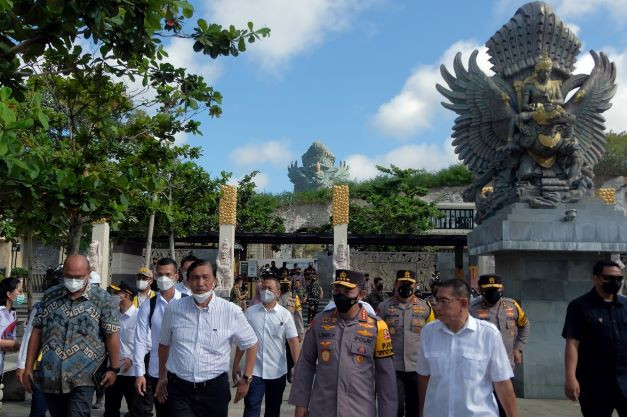
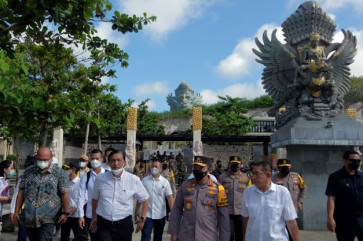
Indonesia has made a long journey since the fall of president Soeharto in 1998, from military dictatorship to a vibrant democracy in which most of its citizens enjoy greater political freedoms. This accomplishment has been accompanied by an impressive economic growth that has placed the vast archipelago in the Group of 20, where it is the only country representing ASEAN.
By holding the G20 presidency this year, and hosting the group’s summit in November, Indonesia has a unique position to give a voice to the often-sidelined aspirations of the Global South.
The Indonesian government should use that position to promote a form of inclusive collaboration among nations to address challenges that affect humanity as a whole. Among them are the need for stronger and more creative global responses to issues like the devastation caused by armed conflicts such as in Myanmar or Ukraine, the need to increase financial support for a sustainable energy transition, or the impact of the world’s digital transformation on human rights and democracy.
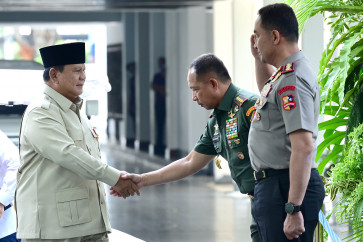
Indonesia has succeeded in sending its military back to the barracks. The country’s recent history of dictatorship, turmoil, and democratization has given it an invaluable wealth of experience that can provide a distinct advantage in its perspective on conflicts and their consequences.
Alongside other countries like Malaysia, Indonesia is already leading efforts within ASEAN to find peaceful solutions to the crisis in Myanmar, acting on the belief that only democracy and stability can foster economic development.
Now Indonesia could use the experience gained by its own history and propose a new working group at the G20 to discuss judicious responses from the largest economies in the world to crises like the one in Myanmar or those plunging countries such as Ukraine, Syria or Yemen into chaos. And, as the third biggest democracy in the world and the country with the largest Muslim population, Indonesia is particularly suited to play a role as peacemaker in the Muslim world.
Wars throughout the world are having devastating consequences that are not confined within national borders: from rising commodity prices, shortages of food and energy supplies, to increases in human trafficking and the production and trade of illicit drugs and weapons. In Myanmar, poverty has skyrocketed to rates not seen in 20 years.