TheJakartaPost
Please Update your browser
Your browser is out of date, and may not be compatible with our website. A list of the most popular web browsers can be found below.
Just click on the icons to get to the download page.


Popular Reads
Top Results
No results found. Please check your search term and try again
Can't find what you're looking for?
View all search results
Popular Reads
Top Results
No results found. Please check your search term and try again
Can't find what you're looking for?
View all search resultsWill Indonesian ethnic music survive modern times?
The government, ethnic music groups and other stakeholders join in to promote Indonesian ethnic music.
Change text size
Gift Premium Articles
to Anyone
Share the best of The Jakarta Post with friends, family, or colleagues. As a subscriber, you can gift 3 to 5 articles each month that anyone can read—no subscription needed!
 Set as preferred source
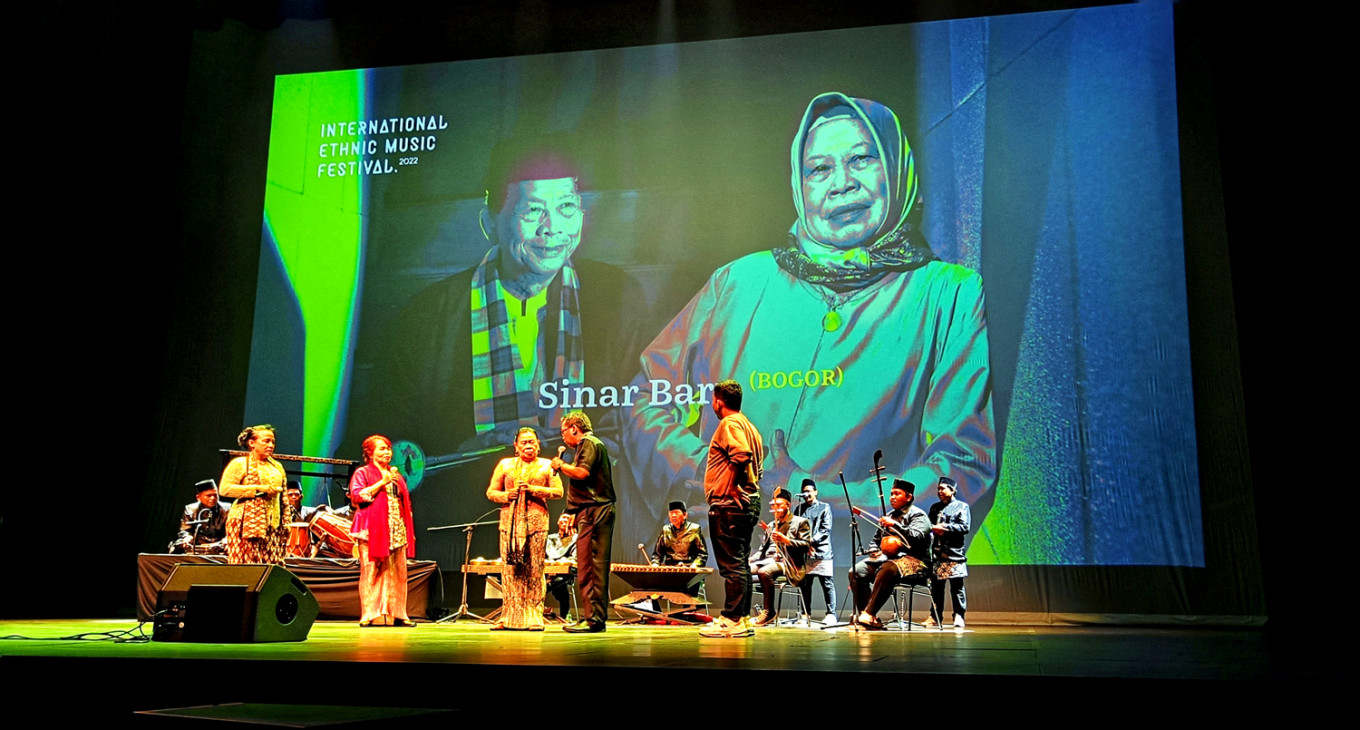
The government, ethnic music groups and other stakeholders join in to promote Indonesian ethnic music.
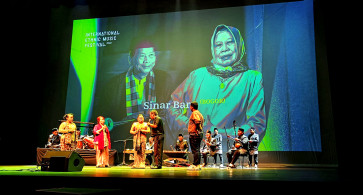
The mid-1980s to early 2000s were golden years for the Sinar Baru troupe. During those years, the Betawi music group performed Jakarta’s ethnic music gambang kromong for birthday parties, weddings, and sangjits (bethrotals) around Jakarta, Bogor, Depok, Tangerang and Bekasi.
“We mainly lived on the road,” Ukar Sukardi, founder of the troupe, said.
“It was hard to find time to relax at home as we performed every day, except on Thursday nights.”
Every day after school, a lot of children also gathered at their headquarters in Gunung Sindur, Bogor, to learn to play the gambang (a kind of gamelan made of wood), bangsing (a kind of bamboo flute), tehyan (a sort of stringed instrument made of coconut shell and teakwood) and many other instruments used in Betawi music.
“But those were the old days,” the 74-year-old said with a sad smile. “These days, [people’s] taste in music has changed.”
Nowadays, the troupe, consisting of 25 musicians and singers, considers themselves lucky if they are invited to play twice a month. They now perform mainly in Bogor and its surrounding areas.