TheJakartaPost
Please Update your browser
Your browser is out of date, and may not be compatible with our website. A list of the most popular web browsers can be found below.
Just click on the icons to get to the download page.


Popular Reads
No popular reads data found
Top Results
No results found. Please check your search term and try again
Can't find what you're looking for?
View all search results
Popular Reads
No popular reads data found
Top Results
No results found. Please check your search term and try again
Can't find what you're looking for?
View all search resultsIndonesia-US-relations
Asia & Pacific 2 months ago
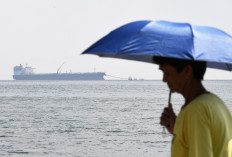
Prabowo to meet Putin for geopolitics, energy talks
Around 20 percent to 25 percent of Indonesia's crude oil imports are sourced from the Middle East and the government has said it is boosting imports from other places such as Angola and Nigeria to ensure enough supply at home.
Opinion 3 months ago
PREMIUM
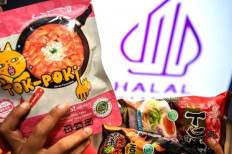
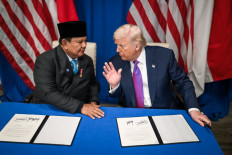
Analysis: Indonesia-US trade deal undermines halal certification
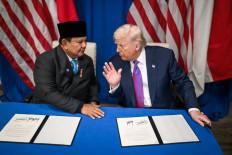
The provisions in the Indonesia-United States Agreement on Reciprocal Trade (ART) have once again drawn public scrutiny. This time, the debate extends beyond tariff reductions to a more sensitive issue: the possible easing of halal certification requirements for US products entering the Indonesian market.
Opinion 3 months ago
PREMIUM
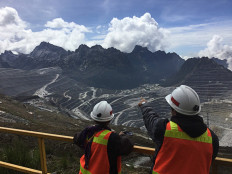
Analysis: Freeport divestment deal anchors Indonesia-US tariff negotiations
The administration of President Prabowo Subianto has reached a deal with Freeport-McMoRan as part of Indonesia’s broader negotiations to reduce punitive tariffs imposed by the United States under President Donald Trump. The agreement requires Freeport to divest additional shares in PT Freeport Indonesia (PTFI), which operates major mining assets in Papua, in exchange for an extension of its mining concession to the end of the mine’s life cycle. While the deal strengthens US access to critical minerals, it has drawn criticism for the limited involvement of indigenous Papuans.
Economy 4 months ago
PREMIUM
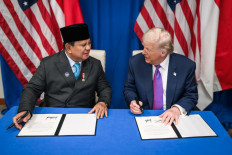
Limited gains, steep hurdles overshadow US-RI trade deal, analysts say
Local think tanks are weighing in on the limited policy space and domestic benefits of the new US-Indonesia trade deal, even as businesses and policymakers wait to decide next moves amid the limbo left by the US Supreme Court's ruling.
Economy 4 months ago
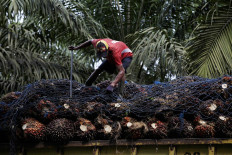
Indonesia secures free palm oil tariffs, but has hands tied on textiles, mining
The deal appears to take aim at what analysts have said are concerns in Washington about China's stranglehold on many critical minerals and the offshoring of Chinese companies' operations to countries like Indonesia.
Economy 4 months ago
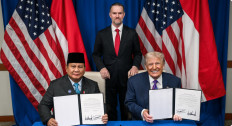
Indonesia, US sign reciprocal tariff agreement
The accord sets a 19-percent tariff on Indonesian goods entering the United States. Jakarta is also to exempt US companies from local content requirements and address and prevent barriers to US agricultural products sold in Indonesia.