The Jakarta Post
Please Update your browser
Your browser is out of date, and may not be compatible with our website. A list of the most popular web browsers can be found below.
Just click on the icons to get to the download page.


Popular Reads
Top Results
No results found. Please check your search term and try again
Can't find what you're looking for?
View all search results
Popular Reads
Top Results
No results found. Please check your search term and try again
Can't find what you're looking for?
View all search resultsthe-jakarta-post
Editorial 5 months ago
PREMIUM
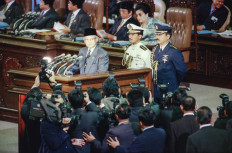
Making sense of Indonesia
Standard practice around that period mostly revolved foreign correspondents parachuted from the major capitals of the West to report from the “exotic” East, who often wrote with an outlook which literary critic Edward Said deemed “orientalist”.


Politics 1 year ago
PREMIUM
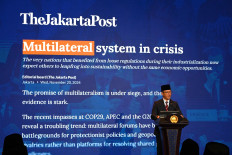
The future of Indonesia: Hope, caution and the power of the people
At a discussion on Aug. 6 hosted by The Jakarta Post, academics, former military generals and civil society leaders offered mixed views on the nation’s future. Some expressed cautious optimism, while others warned about democratic backsliding. Two additional public figures later contributed their insights individually.

Art & Culture 1 year ago
PREMIUM
‘The Knight’s Dreams’: When artists' dreams and reflections collide
The exhibition takes its title from one of the collaborative sculptures, which depicts three characters working together in a "panjat pinang" competition as it represents the Indonesian spirit of "gotong royong".

Society 1 year ago
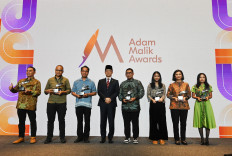
'The Jakarta Post' welcomes 'Magdalene.co' into its fold
Jusuf Wanandi, cofounder and president director of the Post, said he hoped that the strategic investment and partnership would not only bolster the newspaper’s position as a leader in the country’s media landscape, but also enhance its ability to engage with more diverse communities and contribute to positive social impacts.
Editorial 2 years ago
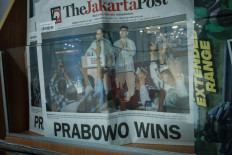
Human-centered journalism
While the internet, and later social media, have created seismic changes in the media industry by disrupting how news and content are distributed and monetized, if we are to believe proponents of AI, the change that is coming will be even more fundamental.
Society 2 years ago
PREMIUM
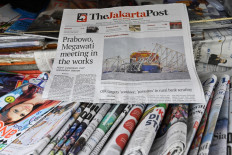
Marking 41 years in print, ‘The Jakarta Post’ enjoys readers’ lasting trust
Forty-one years in print is a rare milestone that only a few national newspapers have crossed, particularly with the rise of social media, which has brought sensationalism to the fore and blurred the line between fact and fiction.
Editor's Picks
Popular
- Popular discontent is justified. Authoritarianism is not the answer
- Sugarcane farmers query House over sugar imports
- Recentralization concerns in fiscal, education heighten
- Govt under pressure as 3 million home drive hits cracks
- Safeguarding Indonesia's AI future
- The agrarian reform law and investment prospects of palm oil
- Peatland agency revival tests commitment to curb unchecked conversion
- External pressure, fiscal risks weigh on rupiah
- Tokyo suffers longest streak of rainy days on record
- Thai businesses tap Indonesian market as domestic opportunities shrink


