The Jakarta Post
Please Update your browser
Your browser is out of date, and may not be compatible with our website. A list of the most popular web browsers can be found below.
Just click on the icons to get to the download page.


Popular Reads
Top Results
No results found. Please check your search term and try again
Can't find what you're looking for?
View all search results
Popular Reads
Top Results
No results found. Please check your search term and try again
Can't find what you're looking for?
View all search resultscongestion
Archipelago 1 month ago
PREMIUM
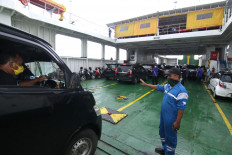
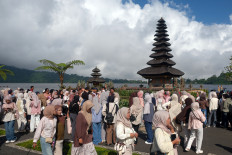
Bali plans Rp 2.2 trillion tram system to ease congestion
Bali Governor I Wayan Koster said the project, dubbed the autonomous rail rapid transit (ART) , would replace a planned mass rapid transit (MRT) system that broke ground in 2024 but failed to attract sufficient investor interest.
Archipelago 6 months ago
PREMIUM
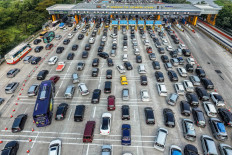
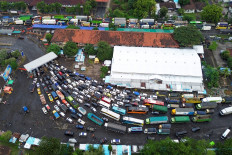
Holiday rush sparks 36-km traffic jam at Bali’s Gilimanuk Port
Vehicle lines leading to the port stretched up to 36 kilometers on Sunday and 15 km on Monday, forcing many travelers to wait up to 20 hours to cross the strait, with some even spending the night inside their cars.

Jakarta 7 months ago
PREMIUM
Pramono touts ‘top global city’ ambition in first year leading Jakarta
In the first year of his administration, Jakarta Governor Pramono Anung has repeatedly conveyed his ambition to elevate Jakarta’s status to a top global city, but the vision risks overshadowing mounting urban problems that still confront the world’s most populous metropolis.
Economy 10 months ago
PREMIUM
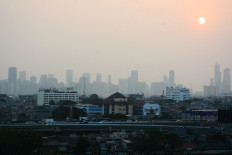
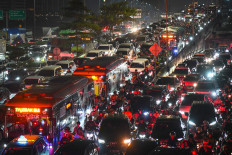
Time is money: The Rp 100 trillion price tag on Jakarta’s congestion
Jakarta’s traffic paralysis, especially during bad weather, is more than just an inconvenience, it’s an economic drain as congestion slows business activity, worsens air quality and erodes productivity.
Jakarta 1 year ago
PREMIUM
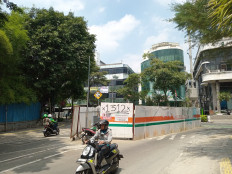
Roads dug, traffic delayed: Jakartans fume over never-ending utility works
Compounding the everyday chronic traffic congestion, widespread utility works across Jakarta have triggered frustration among residents, with experts blaming poor planning and management behind these overrunning projects.
Jakarta 1 year ago
PREMIUM
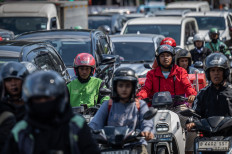
Councillor, urban experts urge road map to resolve Jakarta traffic
Policy inconsistencies, ad hoc measures and social factors like the perceived prestige of private vehicles are just some of the speed bumps on Jakarta's road to becoming a global city, according to a local official and urban experts.
Jakarta 1 year ago
PREMIUM
Cars over people? Sidewalk cuts in South Jakarta draw backlash
The Jakarta administration’s plan to trim sidewalks along the heavily congested TB Simatupang road in South Jakarta has sparked widespread criticism, with critics warning it undermines pedestrian rights and contradicts the city’s vision of becoming a “global city”.
Editor's Picks
Popular
- Whisky, big-screen TV seized from prison 'villas' in West Java
- Indonesia pushes cooperation to outpace global scam networks
- Jakarta international airport extends closure after Anak Krakatau eruption
- Militarization by request: The quiet creep in Jakarta
- BREAKING: Prabowo reshuffles cabinet, replaces police chief
- Sugarcane farmers query House over sugar imports
- The vanishing of Indonesia from the heart of Papua
- BREAKING: Arrmanatha takes over as foreign minister in latest reshuffle
- Water concerns triggers suspension of West Java data center project
- Expert: Indonesia needs fire risk maps, food project reevaluation amidst Merauke wildfires


