The Jakarta Post
Please Update your browser
Your browser is out of date, and may not be compatible with our website. A list of the most popular web browsers can be found below.
Just click on the icons to get to the download page.


Popular Reads
Top Results
No results found. Please check your search term and try again
Can't find what you're looking for?
View all search results
Popular Reads
Top Results
No results found. Please check your search term and try again
Can't find what you're looking for?
View all search resultsfinancial-inclusion
Business 5 years ago
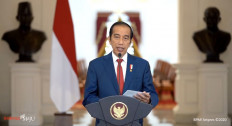
Jokowi calls on fintechs to adopt good governance for enhanced cybersecurity, services
The Indonesian President conveyed the need for fintech companies to adopt best practices and pursue innovation to propel the country toward greater digital financial literacy in his opening speech for the Indonesia Fintech Summit 2020.

Business 5 years ago
Preemployment card program helps boost financial inclusion: Director
“Before joining the preemployment program, 13 percent [of the recipients] did not have an e-wallet or access to the bank, now they do. This 13 percent amounts to around 728,000 people,” Denni said during a press briefing on Wednesday.

Science & Tech 5 years ago
Boosting financial literacy key to promoting financial inclusion in Indonesia
Financial inclusion is highly important to stabilize the Indonesian economy. Yet, a 2019 survey by the Financial Services Authority (OJK) revealed that Indonesia’s financial inclusion rate stood at only 76.1 percent, marking an increase of some 40 million unbanked adults from 2017, when the rate stood at nearly 50 percent.


Business 6 years ago
Fintech's role in financial inclusion rises but infrastructure, literacy challenges loom
Seventy-five percent of the fintech companies reported they were still facing low financial literacy among the target market, 57 percent reported facing basic infrastructure problems and 44 percent reported facing limited capital or resources challenges.
Business 6 years ago
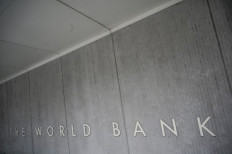
World Bank approves $300m loan to improve Indonesia's financial sector
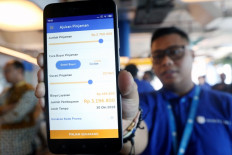
The World Bank has approved the disbursement of a $300 million loan to support the development of Indonesia's financial market, while the Asian Development Bank is helping the country cope with the COVID-19 crisis.

Opinion 6 years ago
Let's talk hand-in-hand financial inclusion and literacy ... before P2P
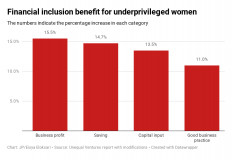
Indonesians have access to a wide range of fintech services without the sufficient financial literacy to take advantage of them or to protect themselves from the risks – and this could disrupt financial sector development in the country.
Editor's Picks
Popular
- Recentralization concerns in fiscal, education heighten
- Batam residents protest data centers amid water crisis
- Safeguarding Indonesia's AI future
- Twenty years on, BRICS faces a defining choice
- Crew member from missing Anak Krakatau boat identified
- Court decision tightens House oversight on free meals funding
- Popular discontent is justified. Authoritarianism is not the answer
- Gibran faces fresh challenge over eligibility as VP
- Indonesia puts peace, UN reform, Global South at center of UNGA agenda
- Govt under pressure as 3 million home drive hits cracks


