The Jakarta Post
Please Update your browser
Your browser is out of date, and may not be compatible with our website. A list of the most popular web browsers can be found below.
Just click on the icons to get to the download page.


Popular Reads
Top Results
No results found. Please check your search term and try again
Can't find what you're looking for?
View all search results
Popular Reads
Top Results
No results found. Please check your search term and try again
Can't find what you're looking for?
View all search resultsworkers

Opinion 4 months ago
PREMIUM
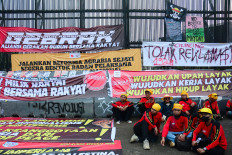
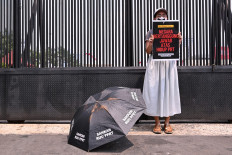
Analysis: Domestic worker law addresses but won’t end modern slavery
Domestic workers work long hours and do all kind of chores for low wages and have little or no legal recourse in case of harassment or abuse, as they are completely at the mercy of their employers, or “masters” in this system of modern slavery that persists in Indonesia.


Opinion 7 months ago
PREMIUM
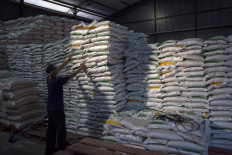
Analysis: One Price, Many Costs: Stabilizing Rice Nationwide?
The government recently announced what appeared to be encouraging news for the country’s rice sector: the introduction of a single-price policy for medium-grade rice to be implemented nationwide this year, after he hailed the achievement of self-sufficiency in rice production. While politically attractive, the promise of a uniform rice price across the archipelago warrants closer scrutiny, particularly over whether the price stabilization policy can be sustained without continued reliance on imports or a risk of added fiscal costs.
Opinion 7 months ago
PREMIUM
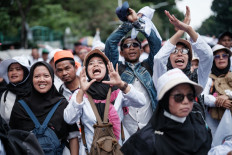
Analysis: Workers, businesses battle as minimum wage falls below cost of living
The 2026 provincial minimum wage (UMP) announcements have triggered a backlash from both labor unions and businesses. On average, minimum wages rose by more than 5 percent year-on-year (yoy) compared with 2025. However, in most provinces, the final nominal wages remain below the basic cost of living (KHL), indicating a decline in real wages. This tension unfolds amid an economic slowdown, marked by persistent layoffs in labor-intensive sectors and weak household consumption.
Jakarta 8 months ago
PREMIUM
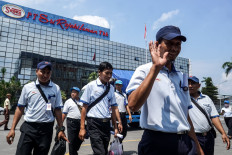
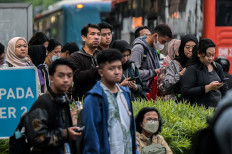
Jakarta's minimum wage bump faces disappointed laborers
Laborers have voiced their dissatisfaction with the higher minimum wage for Jakarta next year, which stands at Rp 5.73 million (US$341), saying that the increase still falls short of meeting living standards amid rising cost of living in the capital.
Editor's Picks
Popular
- Malaysia must not breathe Indonesia’s governance failure
- Mass poisonings cast doubt on free meals reforms
- New data rules could unlock cross-border data flows
- Volcanic eruptions take toll on economy
- Search intensifies for journalists, crew as Anak Krakatau ashfall eases
- Mitigation budget under scrutiny as Indonesia grapples with disasters
- Indonesian wildfire emissions surge to world's highest
- Student suffers memory loss, seizures after free meal food poisoning
- Anak Krakatau doesn't need an earthquake to kill
- Search resumes for missing journalists on Anak Krakatau mission


