TheJakartaPost
Please Update your browser
Your browser is out of date, and may not be compatible with our website. A list of the most popular web browsers can be found below.
Just click on the icons to get to the download page.


Popular Reads
No popular reads data found
Top Results
No results found. Please check your search term and try again
Can't find what you're looking for?
View all search results
Popular Reads
No popular reads data found
Top Results
No results found. Please check your search term and try again
Can't find what you're looking for?
View all search resultsAsia


Academia 3 weeks ago
PREMIUM
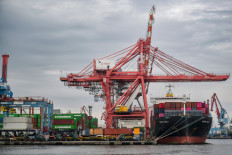
Lessons from the Iran crisis for the Indo-Pacific
As the Iran crisis draws US attention back to West Asia, the Indo-Pacific faces a dangerous vacuum in leadership and deterrence. This strategic overstretch is forcing regional powers like Japan, Australia and India to abandon their reliance on Washington and seize control of their own security destinies.

Academia 3 weeks ago
PREMIUM
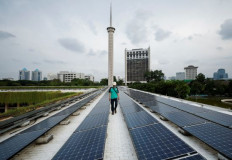
A global shift: Indonesia’s role in a multi-hub Islamic economy
As the traditional single hub model of the Islamic economy fractures, a new model of interconnected regional nodes is rising in its place. Indonesia stands at a critical crossroads: Will it remain a passive consumer market, or will it seize the moment to become a primary architect of this new global network?

Academia 3 weeks ago
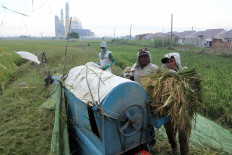
Why Asia is hardest hit by the Gulf energy crisis
Those most exposed to energy market disruption share a set of structural characteristics: heavy reliance on imported fossil fuels, limited fiscal space and constrained energy systems that make it difficult to switch to alternatives quickly.

Academia 4 weeks ago
PREMIUM
Europe’s skepticism about US firms reaches Asia
As geopolitical tensions rise between Washington and Brussels, US companies are increasingly exposed to reputational and regulatory risk in Europe. This shift has consequences for global trade and open economies, including in Asia.
Academia 1 month ago
PREMIUM
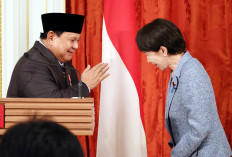
Prabowo’s East Asia outreach: Gains, but missed time
Prabowo’s visit to these two nations was overdue. Fortunately, he was still able to reap concrete economic benefits from these East Asian nations, although I believe he could have secured even more had Indonesia not taken them for granted.