The Jakarta Post
Please Update your browser
Your browser is out of date, and may not be compatible with our website. A list of the most popular web browsers can be found below.
Just click on the icons to get to the download page.


Popular Reads
Top Results
No results found. Please check your search term and try again
Can't find what you're looking for?
View all search results
Popular Reads
Top Results
No results found. Please check your search term and try again
Can't find what you're looking for?
View all search resultsMiddle East crude oil exports exceed pre-war levels but tanker attacks increase
Change text size
Gift Premium Articles
to Anyone
Share the best of The Jakarta Post with friends, family, or colleagues. As a subscriber, you can gift 3 to 5 articles each month that anyone can read—no subscription needed!
 Set as preferred source
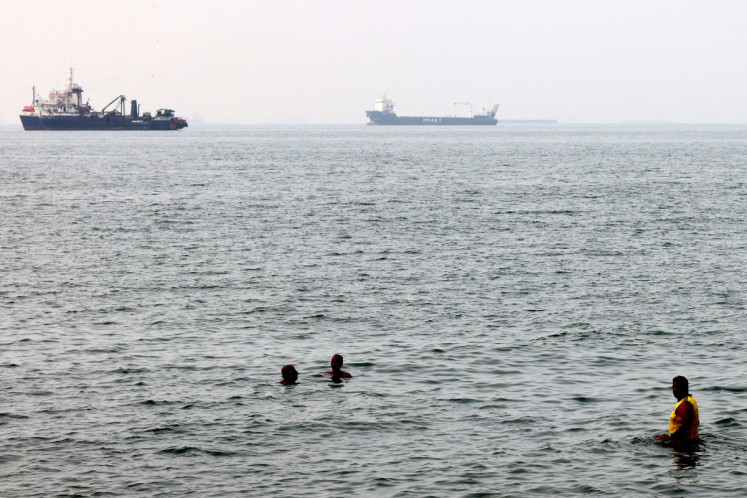
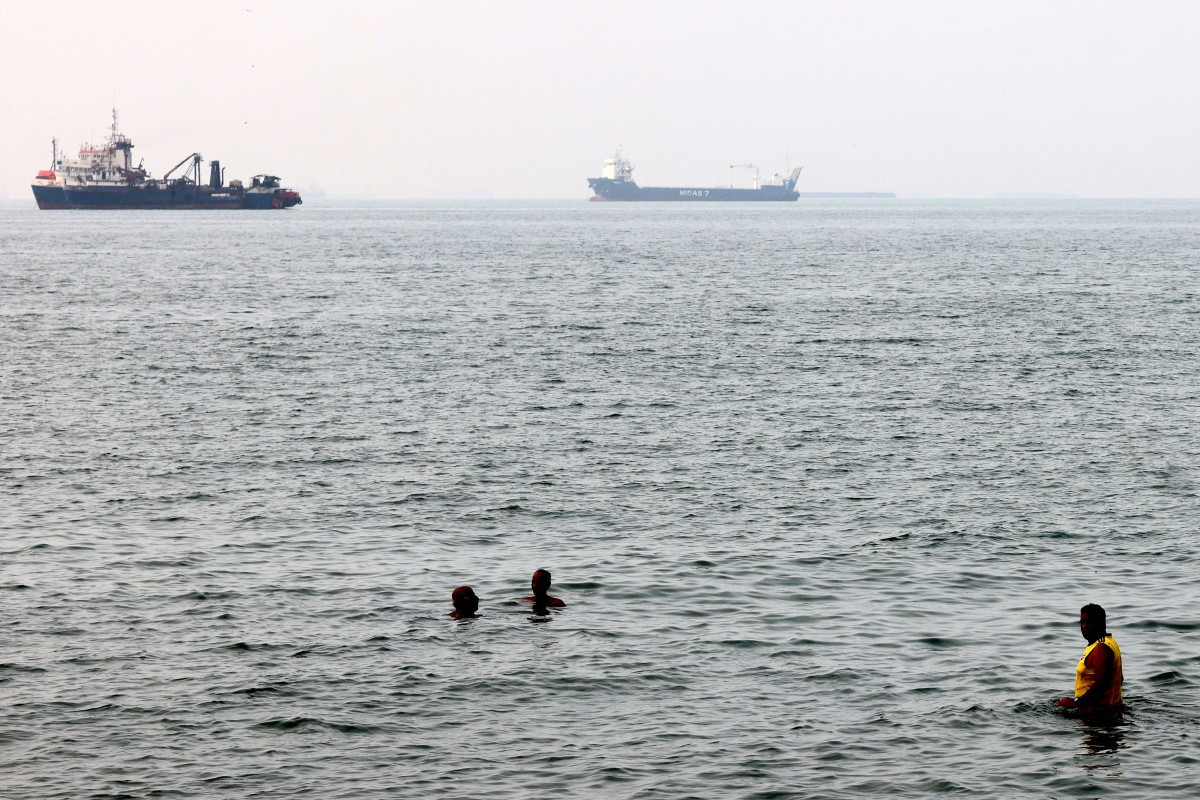 Men bathe in the Gulf waters as vessels in the background transit the Strait of Hormuz off the coast of Iran's southern port city of Bandar Abbas on Sept. 7, 2026. (AFP/Atta Kenare)
C
rude oil exports from the Middle East rose above pre-war levels in four of the seven days of the final week of September, shipping data showed on Monday, despite attacks on vessels passing through the Strait of Hormuz.
Crude exports from the region exceeded pre-war levels on Sept. 24 and between Sept. 27 and 29, rising to between 19.5 million barrels per day and 22.5 million bpd, provisional data from ship-tracking firm Kpler showed.
Exports averaged 18 million bpd between March 2025 and February this year before the US-Israeli war with Iran began.
The 7-day moving average for crude exports was at 18.5 million bpd on Oct. 1, the data showed. These include transits via the Strait of Hormuz, the Red Sea, exports from terminals and ship-to-ship transfers in the Gulf of Oman.
The overall tally for crude, oil products, chemicals and non-gas liquids averaged 22.4 million bpd in the seven days to Sept. 30, Kpler data showed.
The number of liquefied natural gas cargoes exiting the Strait of Hormuz also rose in September to its highest monthly level since February.

The figures exclude any vessels that might have crossed the strait with their Automatic Identification System transponders turned off to avoid detection.
Before the Iran war started on February 28, the strait typically handled about 125 large commercial vessels per day, including tankers, gas carriers, bulkers and container vessels, accounting for some 20 percent of the world’s daily crude oil and LNG supply.
Ship Attacks
However, attacks on tankers continued in and around the Strait of Hormuz, with at least seven incidents reported, shipping intelligence firm Marisks said in a report on Saturday.
The very large crude carrier Kazimah III was reportedly struck on Oct. 1 by an unknown projectile while operating in the strait, causing a fire onboard the tanker, it added.
"All crew members were reported safe and were subsequently evacuated from the vessel," Marisks said.
Kazimah III was last seen discharging 2 million barrels of Kuwaiti crude at the Ras Markaz port on the coast of Oman on September 17, Kpler data showed. Its owner, Kuwait Oil Tanker Company, did not immediately respond to a request for comment outside office hours.
The United Kingdom Maritime Trade Operations agency has reported at least one attack a day in the Strait of Hormuz or in the Gulf of Aden since Oct. 2.
Marisks said merchant vessels transiting the Strait of Hormuz face a "heightened and increasingly unpredictable kinetic threat" given the recent sharp increase in traffic.
"Current intelligence suggests that the recent pattern of incidents may not necessarily represent deliberate targeting of individually selected merchant vessels," Marisks said.
"Instead, available information indicates the possibility that Iranian forces are launching missiles into a predetermined engagement area or 'kill box', with weapons potentially acquiring and locking onto available radar signatures within that area."
Physical presence within the engagement zone at the relevant time could itself represent the primary exposure, it added.