The Jakarta Post
Please Update your browser
Your browser is out of date, and may not be compatible with our website. A list of the most popular web browsers can be found below.
Just click on the icons to get to the download page.


Popular Reads
Top Results
No results found. Please check your search term and try again
Can't find what you're looking for?
View all search results
Popular Reads
Top Results
No results found. Please check your search term and try again
Can't find what you're looking for?
View all search resultsSustainable influencers take on fast fashion
Content creators are promoting sustainable fashion online and seeking to expose the environmental damage caused by huge fashion firms like Shein, H&M and Zara.
Change text size
Gift Premium Articles
to Anyone
Share the best of The Jakarta Post with friends, family, or colleagues. As a subscriber, you can gift 3 to 5 articles each month that anyone can read—no subscription needed!
 Set as preferred source
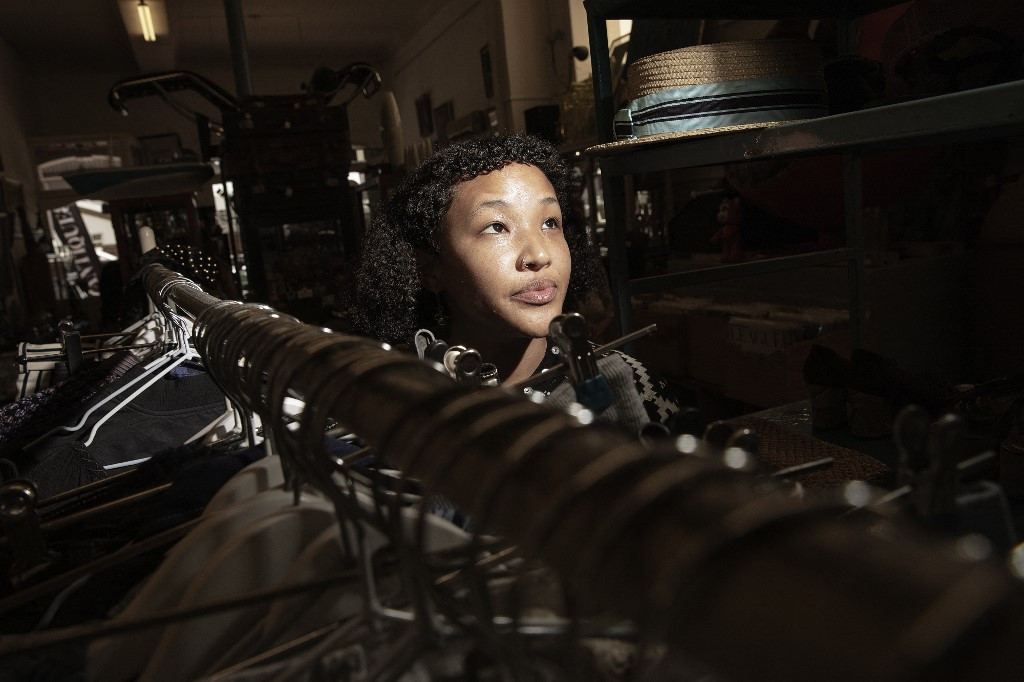 South African influencer Masego Morgan poses for a portrait at a Vintage shop in Simon's Town on December 15, 2022. (AFP/Gianluigi Guercia)
S
ustainable influencer Masego Morgan was shocked when a fast fashion giant offered her $1,000 for a single social media post to promote its brand.
Not only had the South African social media star never been offered that kind of money, the company represents exactly what she is against: overconsumption of cheap, planet-harming clothing made by underpaid workers.
And she's not alone. Former Love Island contestant and sustainable fashion influencer Brett Staniland said he was offered close to $5,500 (5,076 euros) for a post for a major fast fashion brand, the kind of money most small or sustainable brands simply can't compete with.

Content creators like Morgan and Staniland are promoting sustainable fashion online, where fast fashion corporations with deep pockets have helped flood Instagram, TikTok and YouTube with sponsored posts encouraging viewers to buy more stuff -- largely at the expense of the planet.
This growing army of influencers are seeking to expose the environmental damage caused by huge fashion firms like Shein, H&M and Zara.
They also encourage climate-conscious fashion choices -- what Morgan calls "mindful consumption" -- asking people to buy less, or if you do have to buy, best if it's second-hand or ultra-sustainable.
"We shouldn't necessarily compete with (fast fashion) in their way... their model is already unsustainable," said Morgan, whose TikTok and Instagram pages are full of playful posts bursting with upcycled and handmade items, many of which she features more than once.

More from The Weekender

At this wellness retreat, your poo is everybody’s business
Ayurvedagram promises balance through ancient Ayurvedic practices. For four days, I surrendered my schedule, my modesty and, almost, my digestive tract.

All aboard: The case for staying grounded
An eight-hour train ride from Jakarta to Surabaya shows that getting there can be half the fun.

Questioning and nurturing the self with Abell Octovan
The visual artist explores new grounds and mediums in his first solo exhibition, Am I an Artist.