The Jakarta Post
Please Update your browser
Your browser is out of date, and may not be compatible with our website. A list of the most popular web browsers can be found below.
Just click on the icons to get to the download page.


Popular Reads
Top Results
No results found. Please check your search term and try again
Can't find what you're looking for?
View all search results
Popular Reads
Top Results
No results found. Please check your search term and try again
Can't find what you're looking for?
View all search results‘Laut Bercerita’: Raising buried memories to the big screen
Nearly a decade after Leila S. Chudori’s novelization of the forced disappearances of student activists in the late 1990s, a full-length feature brings its stories of resistance, friendship and families left waiting to cinemas.
Change text size
Gift Premium Articles
to Anyone
Share the best of The Jakarta Post with friends, family, or colleagues. As a subscriber, you can gift 3 to 5 articles each month that anyone can read—no subscription needed!
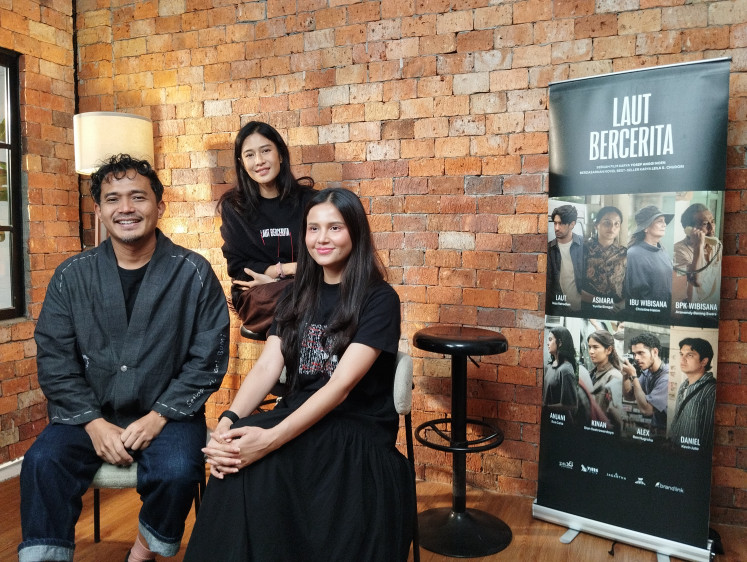
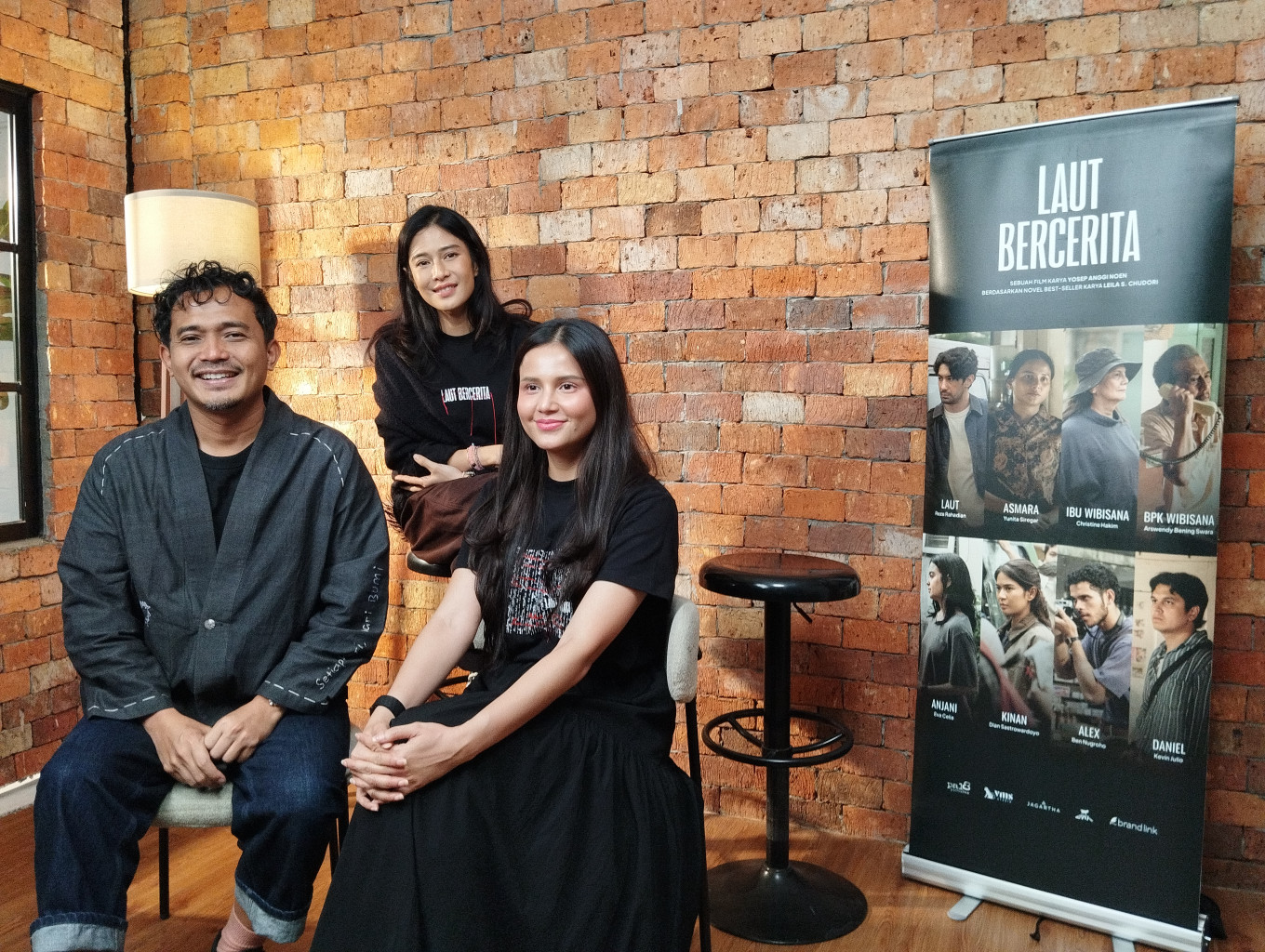 Tales from the past: Director Yosep Anggi Noen (left), Dian Sastrowardoyo (center, back) and Yunita Siregar pose beside a poster on Oct. 26, 2026, during a press briefing in Jakarta for Laut Bercerita, an adaptation of Leila S. Chudori’s 2017 novel of the same title. (JP/Nur Janti)
N
early a decade after the publication of Laut Bercerita, former journalist Leila S. Chudori’s novel about civil resistance, state repression and forced disappearances, its characters arrived on the big screen on Thursday in a feature movie directed by Yosep Anggi Noen.
Set in the 1990s, the movie follows Biru Laut (Reza Rahardian), an English literature student in Yogyakarta, and fellow members of Winatra, a student group that challenges the government through writing, discussions and street protests. As authorities close in, the group faces political persecution that culminates in forced disappearances.
The story then turns to those left behind and the families and friends caught in the aftermath of an unresolved history, particularly Laut’s younger sister Asmara Jati.

Cowritten by Leila and Yosep, the movie centers on youth, family and friendship.
Yosep said the filmmakers wanted to portray the struggles of young people through Laut and his peers, including Kasih Kinanti (Dian Sastrowardoyo), who leads the group during their escape.
Describing the movie as historical fiction grounded in research, Yosep said the production sought to pay tribute to the victims of forced disappearances and their families.
Rather than dwell on graphic violence, the filmmakers have chosen to focus on the activists’ aspirations and the tragedy that follows.


More from The Weekender

FX Harsono revisits Indonesia’s unresolved past in Ambang/Threshold
The veteran artist reworks familiar images of violence and discrimination to confront a history that continues to shape the present.

Farewell, good breast
A cancer diagnosis brings more than the fear of illness. It raises difficult questions about how to protect those we love while revealing unexpected reserves of tenderness and resilience.

Siapa Anda? Mengapa Anda?
What begins as a small grammatical curiosity becomes a larger question about language, culture and the way we understand ourselves in relation to others - and, ultimately, about what we risk losing in a world increasingly impatient with reflection, ambiguity and the humanities.